
With the COVID-19 pandemic preventing opportunities for travel, the travel and tourism industry has seen the rapid emergence and growth of several travel trends as people can now follow-through on their vacation dreams and book trips. These trends include traveling to see a concert, making more sustainable vacation choices, and looking for unique, once in a lifetime trips as opposed to more common and mainstream tourist destinations [1].
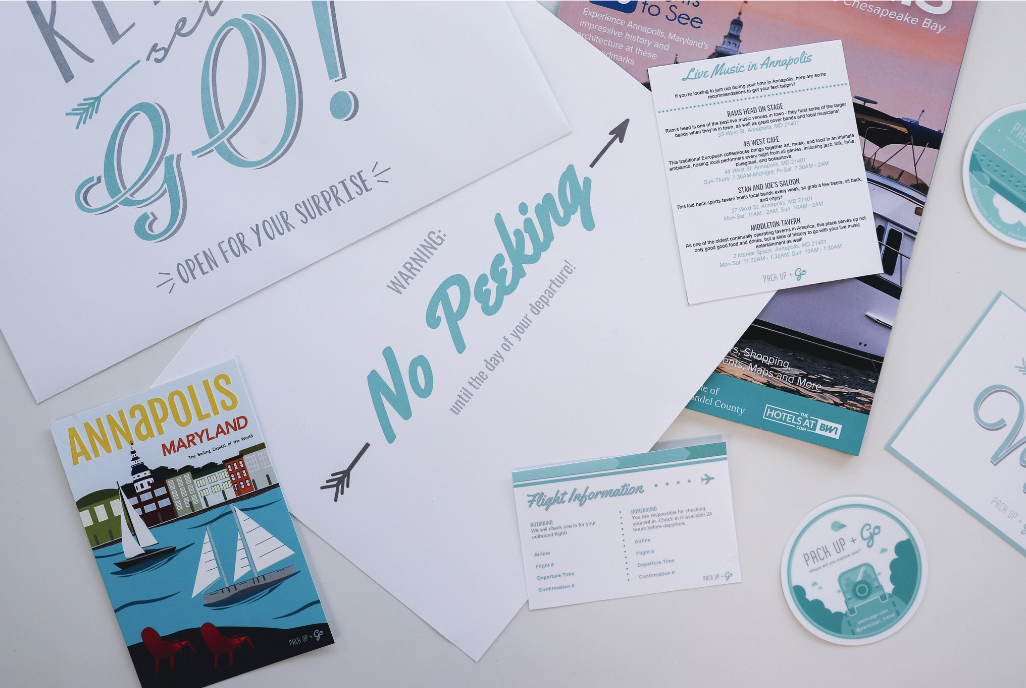
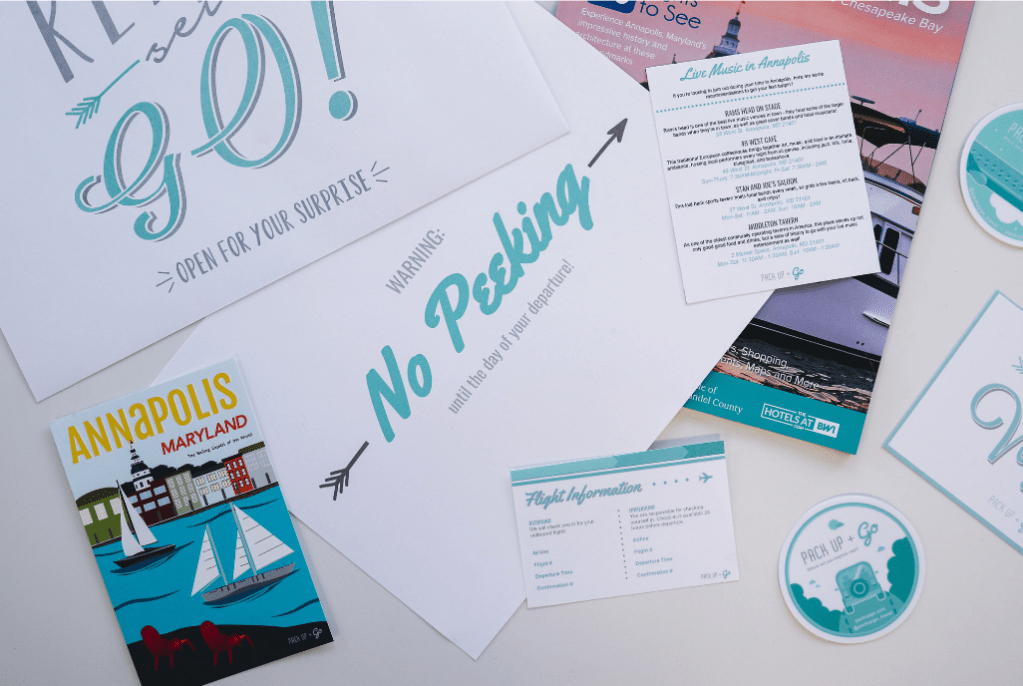
This last trend has led to an increase in “surprise travel”. Within the last several years, companies that specialize in surprise travel or offer some form of a “surprise trip” option have been creating their own niche product within the vacation planning industry. A surprise trip is a vacation package that customers can book in which the destination of their trip is unknown until just before they leave.
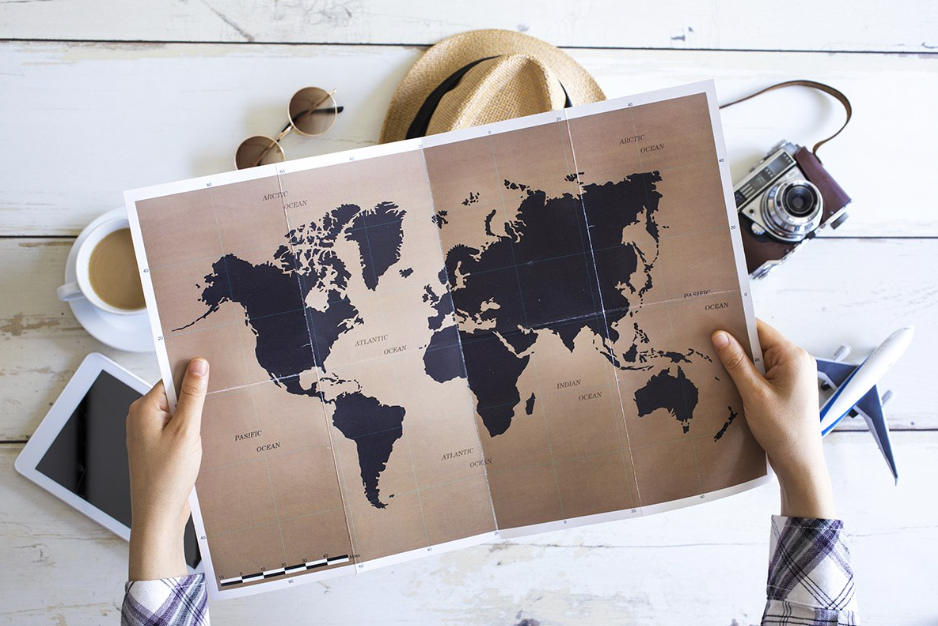
A representative from Pack Up + Go, one of the leaders in the emerging surprise trip market, notes that while these itineraries and destinations are a surprise, they are not random [2]. When signing up for a surprise trip, most travel companies will ask the travelers to fill out a survey with what kind of place they would be excited about (ex. somewhere tropical or somewhere in the mountains) and what kind of activities that they would be comfortable with (ex. would they want to white water raft or visit a museum) [3]. The usage of these surveys helps strike a balance between maintaining the excitement of the surprise element and ensuring that the customers will be satisfied with their purchase.
Surprise travel is only growing, and has become one of the biggest travel trends of 2024. One recent survey by Booking.com polled 27,000 travelers in 33 countries and found that 52% of those surveyed were interested in booking a surprise trip [4]. Industry experts note that this trend is not just a temporary fad nor is it solely successful due to the novelty of the idea; rather, this trend is representative of a shift in travel trends as people want something different from the uniformity of experiences that is often seen in mass tourism [5]. These trips bring back a feeling of exploration and discovery that separate them from the over-commercialization and over-crowdedness of some of the most popular tourist destinations that people frequent routinely [6].

How to Market a Surprise Trip
So how do you create a marketing strategy for a vacation package where all of the details of the trip are unknown?
Marketing teams for travel agencies that offer surprise trip packages face a unique challenge, as they have to market the concept of a surprise trip as opposed to solely relying on sharing exciting visuals of a specific destination. For example, a marketer could tell an interested family that based on their interests, a possible surprise trip would allow them to relax and enjoy incredible food, but they could not promise that this trip would include a lazy river or a five star sushi restaurant. In other words, marketers must be broader and think more abstract as to how they share the benefits of a surprise trip as opposed to relying on the tangible experiences, as those will differ customer to customer. Thus, it is important to look at some strategic differentiators that marketers could emphasize.

An important tool for marketers of these surprise trip travel agencies is to use convenience as a strategic differentiator [7]. Those who are booking a surprise trip can reserve everything for their trip straight through the given agency’s website. Once they purchase their package and fill out any of the aforementioned surveys, the agency will handle everything from there, booking flights, hotels, excursions, and dining reservations for the travelers [8]. This saves a massive amount of time for the travelers, as they do not have to spend time trying to figure out any of the lodging or transportation logistics, nor do they have to sift through recommendations looking for the best places to try. This is especially helpful, and thus marketable, for individuals who want a vacation, but have little free time to plan it. Not only were surprise trips able to capitalize on the increased demand for meaningful travel following the pandemic, but they also were able to adapt to the digitization of the travel industry and make the process pain-free [9].
One core element of the 4Ps of the marketing mix is price, and price is another strategic differentiator that surprise trip marketers can utilize. Since the target age demographic for these trips skews towards younger generations (think early 20s to mid 30s), many agencies include more budget-friendly options for travelers [10]. Many surprise trips also feature places and activities that are not as visited as some of the more popular global tourist attractions, and thus allow the travel packages to be cheaper. As a side note, the emphasis on lesser visited areas helps combat over-tourism and helps stimulate local economies [11].
In order to execute this overall marketing strategy, agencies must have a successful means of communicating the benefits and outlined differentiators of surprise travel. A huge tool that can be used to do this is social media, specifically through user generated content and influencer collaborations [12]. User generated content are social media posts that are created by individuals who experienced the product or service. While some of these individuals may have been intentionally collaborating with the travel agency, millions of people post about experiences that they have with different organizations in order to share their experiences with their family and friends. This is especially true with the travel industry.
It is important for agencies to engage with any positive user generated social content, as it further emphasizes the personalization of these trips. Not only was a traveler’s surprise trip personalized and unique to their preferences, but now they are receiving a post-trip follow up. This continues to build connection to that given brand, and could help inspire a future surprise trip.
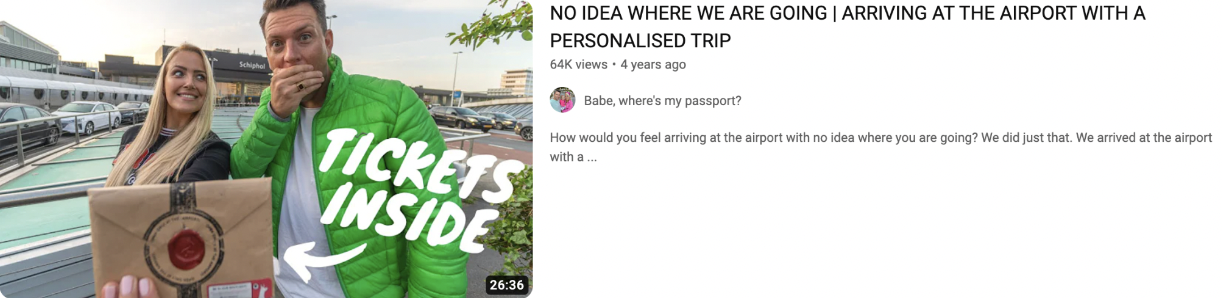
Because of the uniqueness of surprise trips, it is important to showcase as many individual experiences as possible. Vlogs (video blogs) or “POV” (Point of view) videos that showcase an individual traveler or a family’s unique vacation can help provide a complete picture of what a surprise trip could include [13]. This would be opposed to an advertisement that showcases brief clips from several different travelers’ trips to different places. This type of ad could confuse a possible consumer, as it would showcase more of a surface level look at trip destinations as opposed to showcasing the deeply immersive aspect of the trips. YouTube, TikTok, and Instagram Reels, for example, are all strong platforms for an agency to create video content for.

While we mentioned earlier how surprise travel is growing not just because of the novelty of the surprise element, that element should not be underutilized in marketing. Video content of travelers’ reactions to finding out where they are going can make for fun posts. They are also not something that can be posted by other travel agencies or other vacation companies who do not offer surprise trips.
The Future of Surprise Trips
The surprise trip trend is definitely something to keep your eye on, as more players in the travel industry start to adapt the concept to their own business models. For example, some cruise lines are now offering packages where the itinerary remains a mystery until you are on board [14]. Surprise trips are a perfect example of a product that has both been influenced by changing consumer habits coming out of the pandemic, and will also further challenge these habits, sparking travelers to rethink how they plan their vacations.
Questions that a marketing manager would consider:
- What target markets could you identify for a surprise trip?
- What other brands outside of the travel industry have you seen incorporate the idea of a “surprise element”?
References
[1] 2024 travel trends: what the experts predict. (2021, Jan. 1). The Week. https://theweek.com/culture-life/travel/2024-travel-trends-what-the-experts-are-predicting
[2] Kiniry, Laura. (2023, Aug. 17). Surprise Trips Are Only Becoming More Popular—With Cruise Lines, Train Companies, and Adventure Tours Joining the Trend. Condé Nast Traveler. https://www.cntraveler.com/story/surprise-trips-are-more-popular-than-ever
[3] Kiniry, Laura. (2023, Aug. 17). Surprise Trips Are Only Becoming More Popular—With Cruise Lines, Train Companies, and Adventure Tours Joining the Trend. Condé Nast Traveler. https://www.cntraveler.com/story/surprise-trips-are-more-popular-than-ever
[4] 2024 travel trends: what the experts predict. (2021, Jan. 1). The Week. https://theweek.com/culture-life/travel/2024-travel-trends-what-the-experts-are-predicting
[5] Walters, Marilyn. (2023, Dec. 18). The Rise of Surprise Travel in 2024. Culture.org. https://culture.org/travel/the-rise-of-surprise-travel-in-2024/
[6] Walters, Marilyn. (2023, Dec. 18). The Rise of Surprise Travel in 2024. Culture.org. https://culture.org/travel/the-rise-of-surprise-travel-in-2024/
[7] Destination Unknown – An Analysis of the Surprise Travel Market. (2022, Jan 21). Tourism Industry Advisors. https://www.thr.es/en/destination-unknown-an-analysis-of-the-surprise-travel-market
[8] Destination Unknown – An Analysis of the Surprise Travel Market. (2022, Jan 21). Tourism Industry Advisors. https://www.thr.es/en/destination-unknown-an-analysis-of-the-surprise-travel-market
[9] Destination Unknown – An Analysis of the Surprise Travel Market. (2022, Jan 21). Tourism Industry Advisors. https://www.thr.es/en/destination-unknown-an-analysis-of-the-surprise-travel-market
[10] Destination Unknown – An Analysis of the Surprise Travel Market. (2022, Jan 21). Tourism Industry Advisors. https://www.thr.es/en/destination-unknown-an-analysis-of-the-surprise-travel-market
[11] Walters, Marilyn. (2023, Dec. 18). The Rise of Surprise Travel in 2024. Culture.org. https://culture.org/travel/the-rise-of-surprise-travel-in-2024/
[12] Destination Unknown – An Analysis of the Surprise Travel Market. (2022, Jan 21). Tourism Industry Advisors. https://www.thr.es/en/destination-unknown-an-analysis-of-the-surprise-travel-market
[13] Destination Unknown – An Analysis of the Surprise Travel Market. (2022, Jan 21). Tourism Industry Advisors. https://www.thr.es/en/destination-unknown-an-analysis-of-the-surprise-travel-market
[14] Kiniry, Laura. (2023, Aug. 17). Surprise Trips Are Only Becoming More Popular—With Cruise Lines, Train Companies, and Adventure Tours Joining the Trend. Condé Nast Traveler. https://www.cntraveler.com/story/surprise-trips-are-more-popular-than-ever
Image 1: https://www.nytimes.com/2019/03/09/travel/suprise-travel-vacations.html
Image 3: https://www.letsroam.com/explorer/surprise-travel-agency/
Image 4: https://www.garzablancaresort.com/blog/lifestyle/benefits-of-booking-your-vacation-in-advance/
Image 5: https://www.youtube.com/watch?v=7544O5TjFMI
Image 6: https://www.tiktok.com/@lauriealyceadventures/video/7219005965281135878
 Marketing Management