
For over 60 years, Nutella has built one of the strongest brands in the world by doing something most companies avoid: staying exactly the same [1]. Since its introduction in 1964, the Nutella chocolate product […]
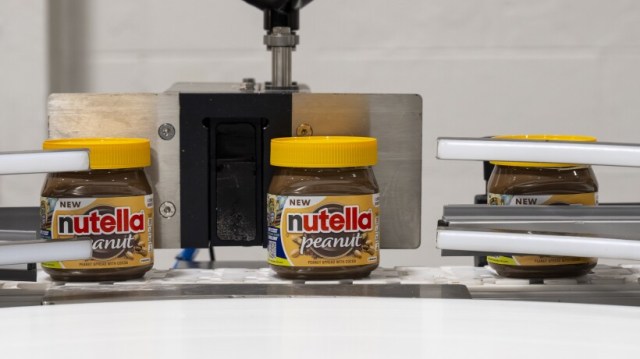
For over 60 years, Nutella has built one of the strongest brands in the world by doing something most companies avoid: staying exactly the same [1]. Since its introduction in 1964, the Nutella chocolate product […]

When most people think about influencer marketing, they probably imagine celebrities with millions of followers promoting products. But what might be surprising is that smaller influencers with much fewer followers can sometimes deliver better results. […]
Not all marketing success initially looks like success. When McDonald’s CEO Chris Kempczewski posted a promotional video for the company’s new Big Arch burger, it went viral but for all the wrong reasons [1]. It […]
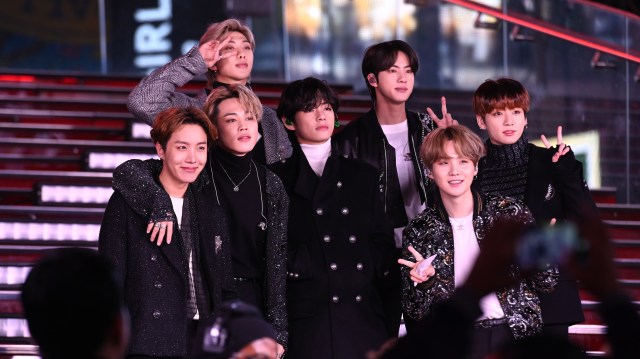
The return of BTS represents one of the most anticipated events in the global entertainment industry. BTS is a seven-member male K-pop group that debuted in June 2013 from a then-small entertainment company, Big Hit […]
Do you remember any Super Bowl advertisements? Maybe the Coinbase ad that had the whole family singing “Everybody” by the Backstreet Boys, or maybe the unsettling moment Claude warned us that ads were coming to […]
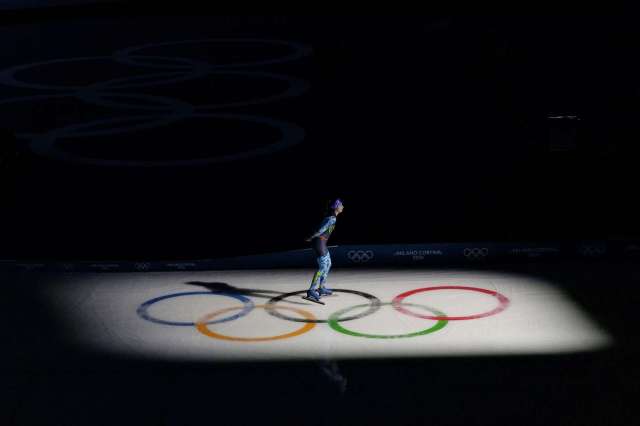
Armonia, or Harmony, is the official theme for the 2026 Milano-Cortina Winter Olympic Games, one that represents this particular Games’ broader vision for the world beyond sports [7]. Unlike traditional Olympic ceremonies held in a […]

Marketing campaigns often tap into human emotions to influence decision-making. Two of the most powerful emotions marketers leverage are fear and hope. Fear-based marketing warns consumers about risks and negative consequences, while hope-based marketing inspires them with possibilities and positive outcomes. Both strategies can be effective, but the key is knowing when, where, and how to use them [1].

In the ever-evolving world of marketing, understanding the intricacies of consumer psychology is akin to finding a hidden treasure map. Brands that tap into the psychological triggers of their audience can create not only one-time buyers but lifelong brand advocates. Let’s explore how some leading companies masterfully leverage consumer psychology to build unshakeable brand loyalty [1].
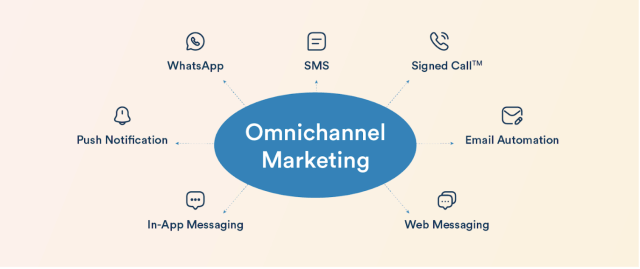
In today’s fast-paced, digital-first world, consumers are no longer tied to a single shopping channel. They might browse on their smartphone, research on their laptop, and make a final purchase in a physical store — or vice versa. This fluid journey between online and offline touchpoints creates both opportunities and challenges for brands.
The solution? Omnichannel marketing

In an increasingly globalized world, branding strategies must adapt to regional tastes, cultural nuances, and consumer behavior. For businesses expanding across continents, understanding the differences in branding approaches between the United States and Europe—particularly Western and Central Europe—is key to establishing a strong and resonant presence [1]. In this post, we’ll explore some of the critical distinctions in branding strategies and consumer expectations across these regions[2].

