
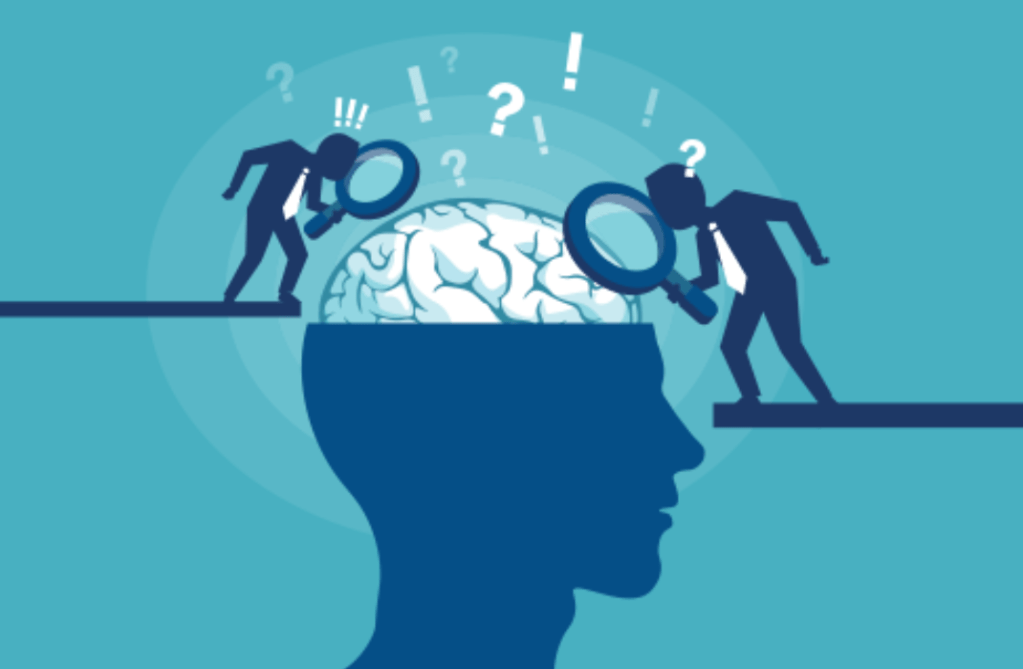
Marketing campaigns often tap into human emotions to influence decision-making. Two of the most powerful emotions marketers leverage are fear and hope. Fear-based marketing warns consumers about risks and negative consequences, while hope-based marketing inspires them with possibilities and positive outcomes. Both strategies can be effective, but the key is knowing when, where, and how to use them [1].
Fear-Based Marketing: The Power of Urgency and Risk Avoidance
Fear is a primal emotion that triggers an immediate response. People naturally want to avoid harm, loss, or failure. Fear-based marketing capitalizes on this by highlighting potential dangers, threats, or negative consequences to persuade consumers to act [2].

Image 2
Real-World Examples of Fear-Based Marketing
- Anti-Smoking Campaigns
- The CDC’s “Tips from Former Smokers” campaign used graphic images and personal stories of individuals suffering from smoking-related diseases. By showing the real-life consequences of smoking, the campaign effectively encouraged many people to quit [3].
- LifeLock’s Identity Theft Ads
- LifeLock, a cybersecurity company, uses fear-based marketing to highlight the risks of identity theft. Their messaging often emphasizes how easily personal information can be stolen, creating a sense of urgency to invest in protection services [4].
- Political Campaign Ads
- Political advertisements frequently use fear tactics, such as highlighting a candidate’s potential negative impact on the economy, healthcare, or national security. These ads aim to persuade voters by emphasizing the dangers of choosing the wrong leader [5].
When Fear-Based Marketing Works Best
- When immediate action is needed (e.g., public safety, security, or health warnings).
- When consumers are already aware of a real problem but haven’t acted yet.
- When the fear is followed by a clear solution (e.g., “Quit smoking—here’s how”).
However, overuse of fear can backfire, causing consumers to either feel overwhelmed and ignore the message or associate negative emotions with a brand.
Hope-Based Marketing: Inspiring Action with Optimism

Image 3
Real-World Examples of Hope-Based Marketing
- Nike’s “Just Do It” Campaign
- Nike doesn’t rely on fear to sell its products. Instead, it promotes personal achievement, determination, and success through inspiring stories of athletes overcoming challenges. This approach motivates people to push beyond their limits [7].
- Coca-Cola’s “Open Happiness” Campaign
- Coca-Cola’s marketing often revolves around themes of joy, connection, and positivity. Their “Open Happiness” campaign emphasized togetherness, fun, and shared experiences, creating a feel-good association with the brand [8].
- Aspirational Political Campaigns
- Barack Obama’s “Yes We Can” and “Hope” campaigns in 2008 focused on a brighter future, inspiring people to believe in change rather than fear the status quo. This positive messaging helped rally support [9].
When Hope-Based Marketing Works Best
- When the goal is to build long-term brand loyalty.
- When targeting aspirational consumers who want to improve their lives.
- When promoting lifestyle, health, and inspirational brands that focus on transformation.
Hope-based marketing works well when consumers see themselves in the positive vision and feel empowered to take action. However, if it’s too vague or unrealistic, it can feel inauthentic and fail to drive conversions.
Which Approach is More Effective?

Image 4
It depends on the industry, audience, and campaign goals [10]:
| Factor | Fear-Based Marketing | Hope-Based Marketing |
| Best For | Urgent action, risk avoidance | Long-term loyalty, aspiration |
| Emotional Impact | Anxiety, urgency | Motivation, inspiration |
| Industries | Healthcare, security, insurance, politics | Lifestyle, wellness, sports, education |
| Potential Risks | Can cause avoidance or negative brand association | Can feel unrealistic or too idealistic |
A balanced approach is often the best strategy. Some brands start with fear to grab attention and follow up with hope to provide a solution.
Example: Environmental Campaigns
- Fear: Climate change ads often highlight the devastating consequences of inaction (rising sea levels, extreme weather).
- Hope: They then pivot to inspiring solutions, such as switching to renewable energy or supporting sustainability efforts.
By combining both emotions, brands can create compelling, action-driven marketing that resonates deeply with consumers.
Final Thoughts

Image 5
Both fear-based and hope-based marketing can be highly effective when used strategically. The key is understanding your audience’s motivations and how they respond to emotional triggers.
- If your goal is immediate action, fear-based tactics might work.
- If you want to build long-term brand affinity, hope-based messaging is likely the better choice.
Ultimately, the most powerful marketing messages don’t just scare or inspire—they provide a clear, actionable path forward.
Would you rather motivate with fear or inspire with hope? The answer depends on your brand, your audience, and the story you want to tell.
Questions Marketing managers might ask:
- What visuals, language, and storytelling techniques best convey fear-based versus hope-based messaging?
- Can user-generated content or testimonials enhance the effectiveness of either approach?
Sources
[6] https://www.misamessaging.com/blog/the-importance-of-hope-in-marketing
[8] https://inspirepreneurmagazine.com/coca-colas-marketing-masterclass-strategies-that-built-an-icon/
[10] https://www.t3custom.com/blog/emotion-in-marketing
Image Sources:
Image 1: https://smartegies.com/emotional-side-of-sales-marketing/
Image 2: https://www.bamboonine.co.uk/blog/how-to-use-fear-in-direct-response-copy/
Image 4: https://www.invitereferrals.com/blog/emotional-marketing/

