
Many retailers compete by offering the lowest prices or the widest selection of products. Costco does both, but its greatest strength may actually be its ability to create customer loyalty. Unlike most stores, Costco requires […]

Many retailers compete by offering the lowest prices or the widest selection of products. Costco does both, but its greatest strength may actually be its ability to create customer loyalty. Unlike most stores, Costco requires […]
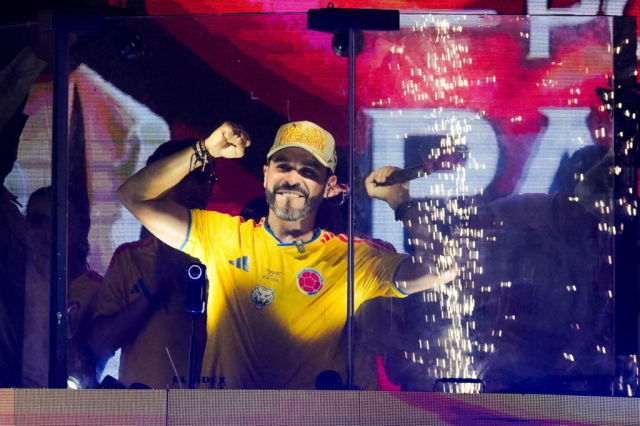
When most people hear the word ‘marketing,’ they think about companies selling products like Nike shoes or Coca-Cola. However, marketing is not limited to businesses. Political campaigns use many of the same marketing strategies to […]
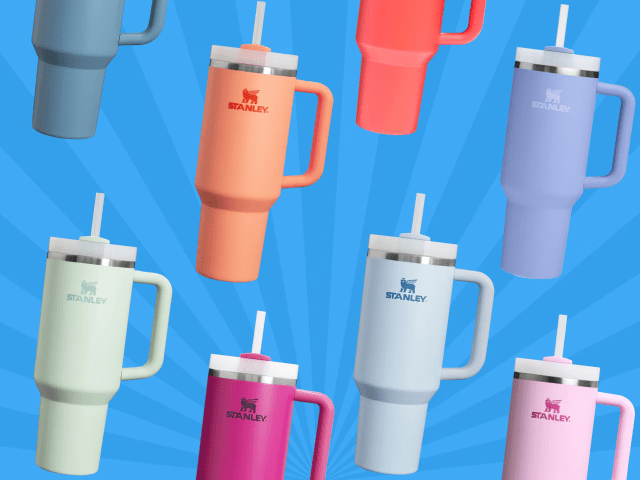
The Stanley Cup is just a cup. It keeps your water cold, it has a handle, and it comes in different colors. By every rational measure, it is an unremarkable object that does a completely […]

There was a time when brands spoke in one voice. Somewhere along the way, brands stopped sounding like companies and started sounding like people with Wi-Fi and opinions. Everything was once approved by seven layers […]

Every May there is a sense of change in the air. Not just for graduates, but for brands. The advertisements change, the store displays change, the email subject lines change. Suddenly everything is covered in […]

20 years ago, if you wanted to watch a TV series or movie you had to be sitting in front of your TV at a specific time or you’d miss it entirely. Over the years, […]
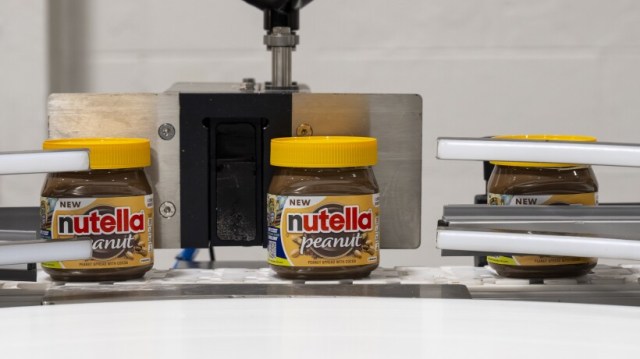
For over 60 years, Nutella has built one of the strongest brands in the world by doing something most companies avoid: staying exactly the same [1]. Since its introduction in 1964, the Nutella chocolate product […]

What Google Actually Launched Over the past year, Google has started to change what searching looks like. Once a user searches instead of showing a list of links, it begins showing AI-generated answers through tools […]
The 2026 FIFA World Cup represents more than just another soccer world cup. With 48 teams and matches hosted across the United States, Canada, and Mexico, this tournament marks the largest World Cup in history […]

When most people think about influencer marketing, they probably imagine celebrities with millions of followers promoting products. But what might be surprising is that smaller influencers with much fewer followers can sometimes deliver better results. […]

