
There was a time when brands spoke in one voice. Somewhere along the way, brands stopped sounding like companies and started sounding like people with Wi-Fi and opinions. Everything was once approved by seven layers of legal and a VP of communications who had never once been online. However, then Wendy’s logged onto Twitter and started roasting people and nothing was ever the same.
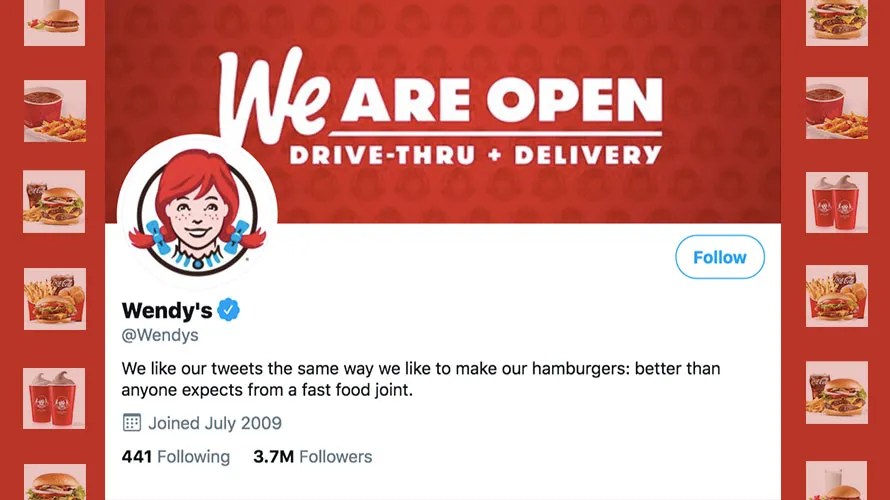
How It Started
Wendy’s was the first to prove that a brand with attitude could win on public opinion in social media. [1] They became infamous for ‘roasting’ customers and openly shading competitors in ways that felt more like a group chat than a marketing department. It worked so well that every fast food chain with a Twitter account tried to copy it. However, most of them failed, because they missed the point entirely.
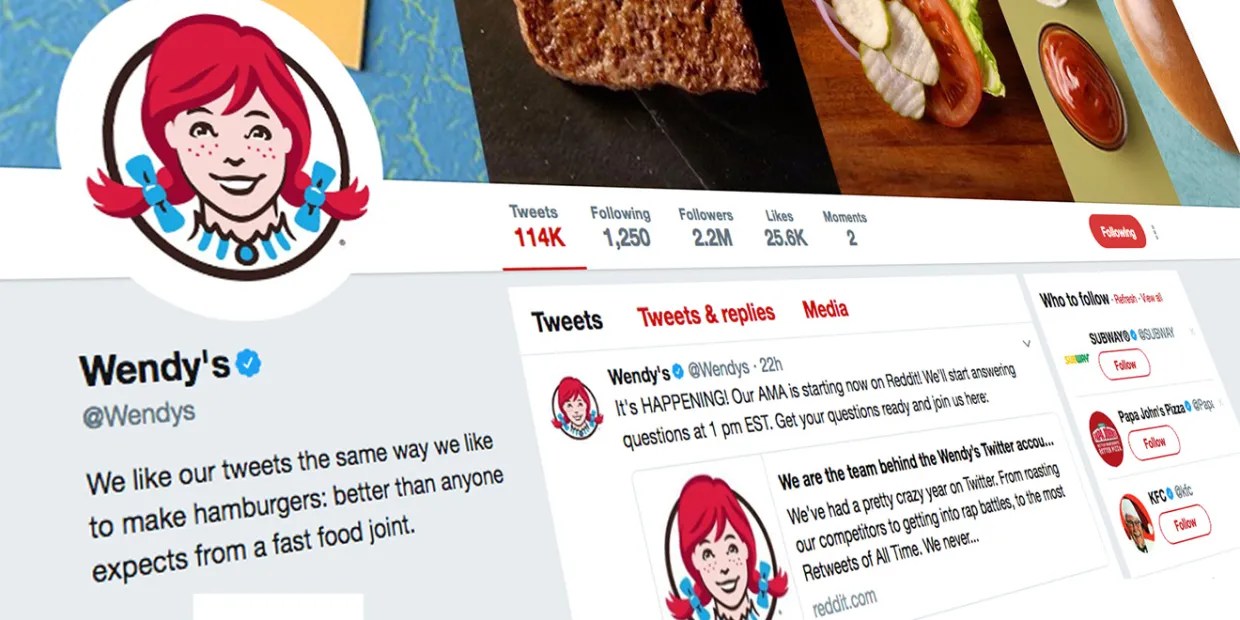
The point was never about the ‘roasting.’ It was the consistency. Wendy’s didn’t post one edgy tweet and go back to promotional content. Instead, they committed to a character and once audiences understood who Wendy’s was online, every post added more to the persona. Then Duolingo watched, took notes, and took it somewhere no one expected.
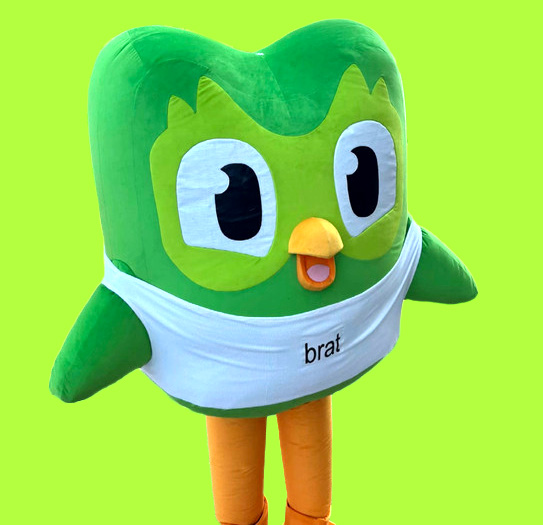
The Owl That Broke the Internet
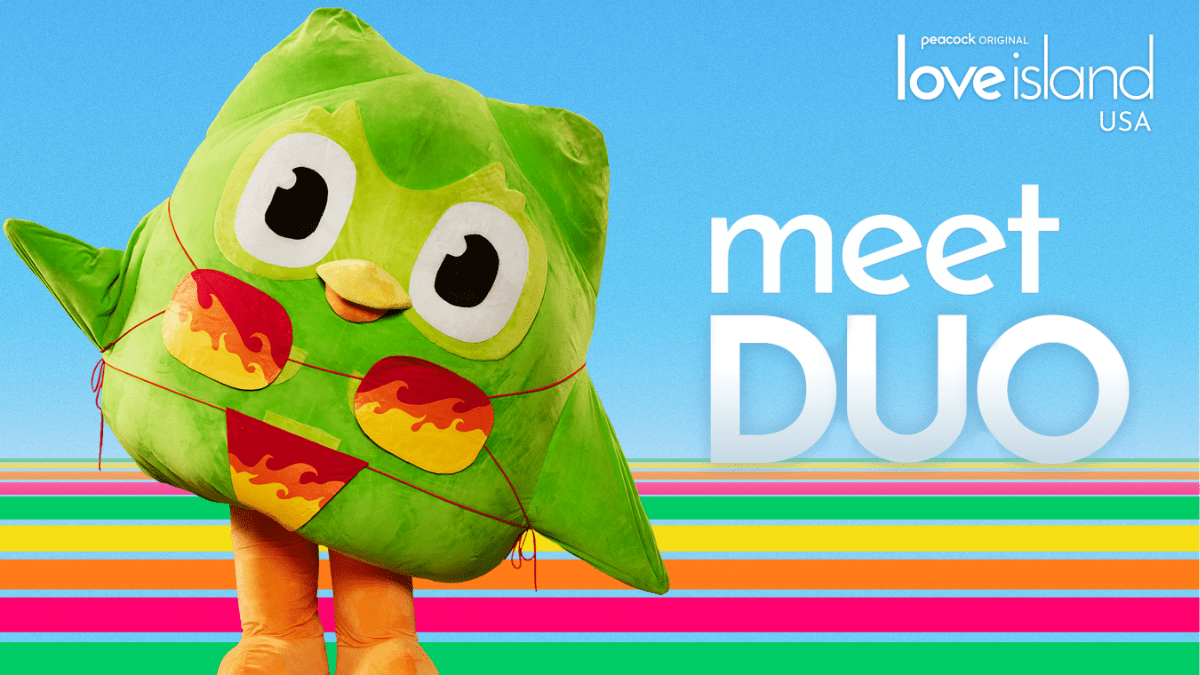
Duolingo’s social media strategy started from a joke the internet was already making, that the app’s push notifications felt weirdly threatening. Instead of ignoring it, Duolingo leaned all the way in. Duo the Owl became an intentionally chaotic persona, showing up in viral TikToks, appearing at real-world events, and developing a running storyline about his obsessive need for you to finish your lesson. [2] The results reflected the success of this strategy. Duolingo now has over 20 million followers across TikTok and Instagram, and their latest earnings reported a 41% increase in revenue and 47.7 million daily active users, a 40% increase. These numbers are equivalent to that of pop stars. What made it work wasn’t just the chaos, it was that the chaos always pointed back to the product. The joke and the value proposition were the same thing.
Sometimes Less Is More
Now that Duolingo proved the model, every brand with a social media manager under 30 is trying to recreate it. Brita created a shark mascot for a water filter brand [3]. Scrub Daddy turned a sponge into a parasocial relationship [4]. While some of it works, a lot of it doesn’t. The reason for that is simple. According to a Sprout Social survey, 50% of consumers say the boldest brands on social media are the ones that are honest, not trendy, humorous, or provocative [5]. Only 23% of marketing audiences actually find unhinged brands to be bold [5]. The audience has caught up to the strategy. When every brand is doing controlled chaos, none of it feels chaotic anymore, it just feels like a template. The brands that are thriving are the ones where the personality feels like a natural extension of what they actually are. It earns the joke because the product earned it first.

What This Means for Marketing Students
Brand voice is not a social media strategy. That’s the thing most companies get wrong when they try to chase this trend. The brands that are actually winning have built their personality into everything: the app notifications, the packaging, the customer service responses, the way they handle a PR crisis. The deeper lesson is about authenticity. Audiences in 2026 are extraordinarily good at sensing when a brand is performing a personality versus actually having one. Gen Z especially didn’t grow up watching ads, instead they grew up watching people, and they know the difference between someone being genuinely funny and someone trying to be funny. The ones that just want to go viral are already forgotten.
By Isabella Otero
Discussion Questions
- Can you think of a brand that tried to copy the trend and it backfired? What went wrong? Was it the execution or the fit?
- Duolingo’s entire social strategy was built by one person, their social media manager. Now that she’s left, do you think the brand can maintain it? What does that tell us about brand voice?
- If you were hired to build a brand personality for a traditionally “boring” company, where would you even start?
Sources:
[1] https://www.aol.com/articles/first-fast-food-chain-truly-220000686.html
[2] https://www.performancedigital.com/duolingo-how-the-owl-took-over-social-media
[3]https://www.adweek.com/creativity/britas-unhinged-shark-reveals-4-lessons-about-winning-over-gen-z/
 Marketing Management