
Many retailers compete by offering the lowest prices or the widest selection of products. Costco does both, but its greatest strength may actually be its ability to create customer loyalty. Unlike most stores, Costco requires […]
Many retailers compete by offering the lowest prices or the widest selection of products. Costco does both, but its greatest strength may actually be its ability to create customer loyalty. Unlike most stores, Costco requires […]

The Stanley Cup is just a cup. It keeps your water cold, it has a handle, and it comes in different colors. By every rational measure, it is an unremarkable object that does a completely […]
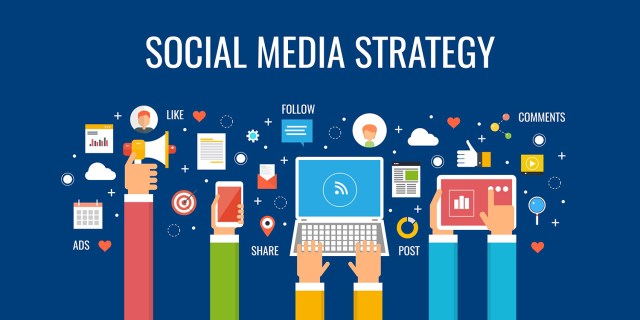
There was a time when brands spoke in one voice. Somewhere along the way, brands stopped sounding like companies and started sounding like people with Wi-Fi and opinions. Everything was once approved by seven layers […]

Every May there is a sense of change in the air. Not just for graduates, but for brands. The advertisements change, the store displays change, the email subject lines change. Suddenly everything is covered in […]
20 years ago, if you wanted to watch a TV series or movie you had to be sitting in front of your TV at a specific time or you’d miss it entirely. Over the years, […]

What Google Actually Launched Over the past year, Google has started to change what searching looks like. Once a user searches instead of showing a list of links, it begins showing AI-generated answers through tools […]
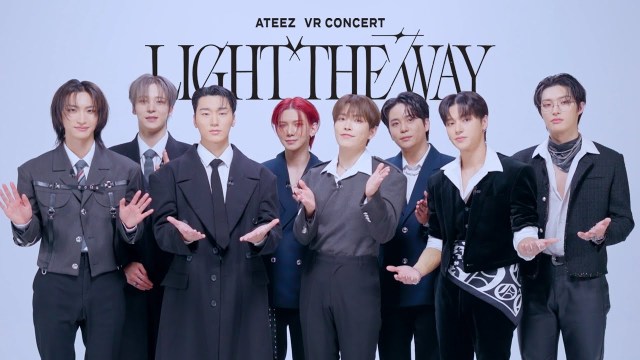
The global rise of K-pop has reshaped the music industry into an experience-driven marketplace where success relies not only on music production but also on innovative fan engagement strategies. Groups like ATEEZ have built strong […]
Not all marketing success initially looks like success. When McDonald’s CEO Chris Kempczewski posted a promotional video for the company’s new Big Arch burger, it went viral but for all the wrong reasons [1]. It […]
International trade policy issues, tariffs, and changes in consumer behavior have presented challenges to trade for U.S. businesses in the last few years. Many firms are analyzing supply chain alternatives and attempting to bring production closer to home in order to mitigate tariff obstacles, promote brand loyalty, and consider the increasing desire for American goods. However, branding “Made in America” has its pros and cons and requires effective strategy and communication. [1].

n the ever-evolving world of streaming, competition among platforms like Disney+, Netflix, Amazon Prime, and HBO Max is fierce. With subscription fatigue setting in, fluctuating content libraries, and price increases becoming a norm, streaming giants are grappling with the same challenge that many businesses face: retaining their existing customers while continuing to grow. The strategies they employ offer valuable lessons for marketers across industries. Here are key takeaways from the streaming wars and how they can be applied to your marketing strategy [1].

