
What Google Actually Launched
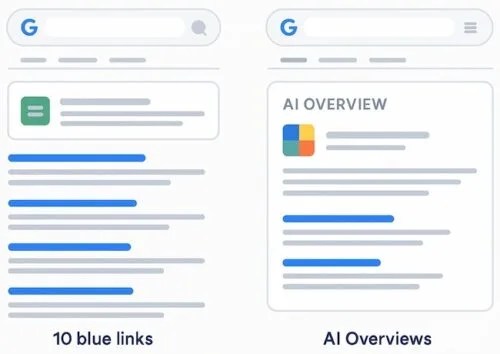
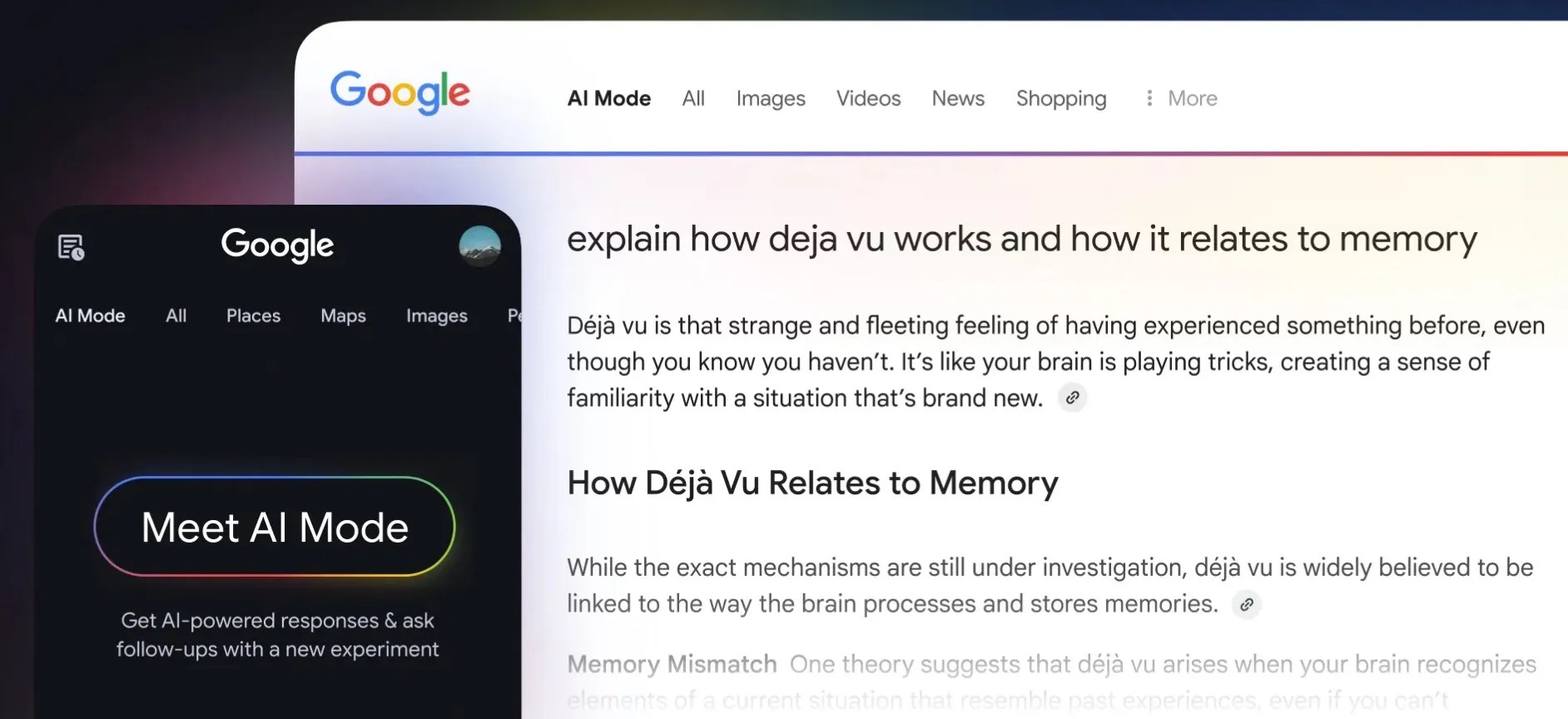
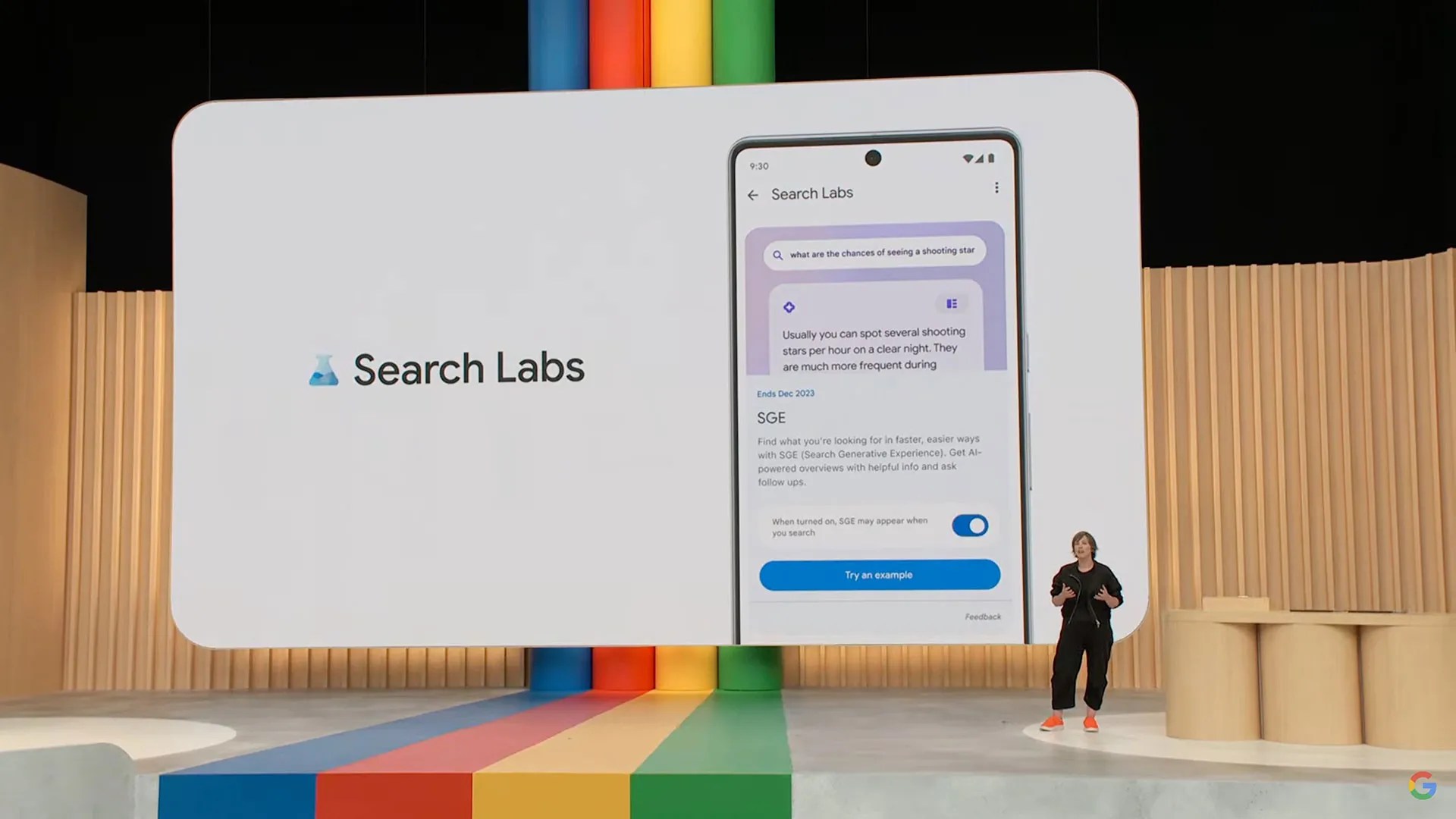
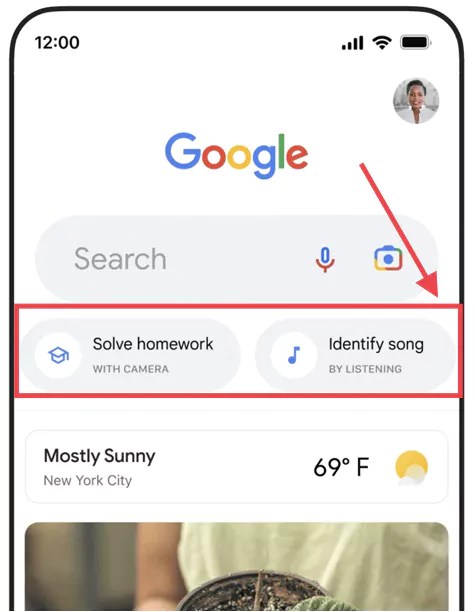
Over the past year, Google has started to change what searching looks like. Once a user searches instead of showing a list of links, it begins showing AI-generated answers through tools like ‘Google Search Generative Experience’ [1]. These responses don’t just summarize information, they often recommend products, compare options, and guide decisions directly from the search prompt. More recently, Google has pushed this even further. It has started integrating ads directly into these AI-generated answers, meaning sponsored content is no longer clearly separated from organic results [2]. At the same time, it is testing features that allow users to interact with brands inside search, almost like messaging a sales associate, and receive personalized offers based on what they’re searching [3]. It has become more conversational. They are also experimenting with ‘in-search purchasing’, where users can move from asking a question to completing a purchase without leaving Google at all [4]. These changes have been developing over time. However taken together, these updates show a clear shift in direction: Google is becoming an end-to-end decision-making environment, not just a search engine. Google isn’t just improving searching, it’s redefining what happens after you search. With tools like Google Search Generative Experience, results are no longer just links. They’re AI-generated responses that summarize options, recommend products, and indirectly influence users.
What It Means For The Future
The traditional marketing funnel which is awareness, consideration, purchase, assumes that users move across different platforms evaluating different products. However, that model is starting to collapse. This new wave of AI-powered search condenses the entire funnel into a single move. A user can ask a question, receive curated recommendations, compare options, and move toward a purchase without ever clicking through to another site. Google openly frames this as reducing friction between searching and decision [5], and early research shows users are already adapting to faster, more direct decision-making and purchasing patterns [6]. However this also changes something else, not just speed but competition. Brands are no longer competing for visibility across a page of results or top of page results. They are now competing to be included in a small set of AI-generated recommendations. There is no second page, no extended browsing, so, if a brand is not shown in that initial response, it is basically excluded from the decision entirely.
A New Wave of Searching
This is where the danger of the Search shift becomes less neutral and more threatening. By combining discovery, recommendation, and transaction into a single motion, Google is taking control over the entire consumer journey. AI-generated summaries already reduce traffic to external websites by answering questions directly at first glance [4]. Extending that same idea to product recommendations and checkout increases dependence on Google as both an information giver and a marketplace. The impact of this is unlikely to be equal for sellers. The best positioned brands will end up being larger, more recognizable ones whose resources pay for embedded placements. Smaller brands risk losing visibility as organic search narrows even further, eventually, making them invisible. There is also a transparency issue growing. When ads are integrated into AI responses, the difference between what is recommended and what is paid-promoted becomes less clear. Research on AI-mediated content already points to how confusing this can be to users [6]. So while the experience becomes more efficient for users, it also concentrates influence in a way that takes control away from the user.
What This Means For Marketers
For marketers, and for students of marketing, this shift is not without consequence. Searching is no longer just about highest ranking, it is about being structured, trusted, and clear enough for AI systems to interpret and recommend. Paid media will likely become even more central as paid advertising moves directly into AI-generated responses. At the same time, brand strength and name matters more, since only a limited number of options are shown to users. More broadly, this shift forces a different way of thinking about marketing. Platforms like Google are not just channels anymore, they are becoming environments that control visibility, shape decision-making, and influence people.
By Isabella Otero
Sources:
[1] https://digitalmarketinginstitute.com/blog/google-ai-overviews-what-do-they-mean-for-search
[2] https://the-decoder.com/google-brings-ads-to-ai-generated-answers-worldwide/
[5]https://almcorp.com/blog/google-circle-to-search-multi-object-gemini-3-update-2026/

