
When most people hear the word ‘marketing,’ they think about companies selling products like Nike shoes or Coca-Cola. However, marketing is not limited to businesses. Political campaigns use many of the same marketing strategies to […]
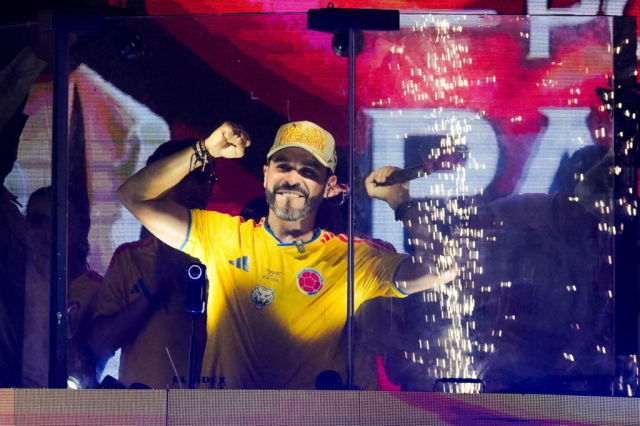
When most people hear the word ‘marketing,’ they think about companies selling products like Nike shoes or Coca-Cola. However, marketing is not limited to businesses. Political campaigns use many of the same marketing strategies to […]
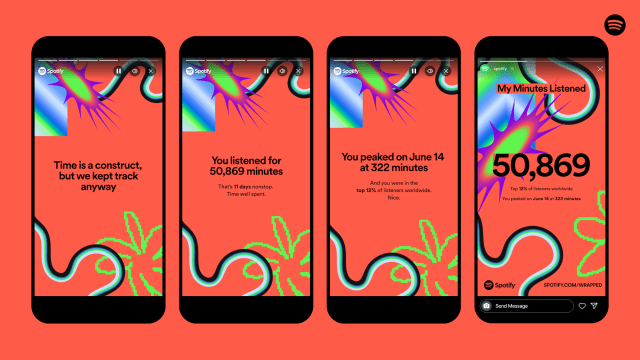
Every December, it seems impossible to scroll through social media without seeing everyone’s Spotify Wrapped [1]. People share their top artists, most-played songs, favorite genres, and even the number of minutes they spent listening to […]

Every May there is a sense of change in the air. Not just for graduates, but for brands. The advertisements change, the store displays change, the email subject lines change. Suddenly everything is covered in […]

20 years ago, if you wanted to watch a TV series or movie you had to be sitting in front of your TV at a specific time or you’d miss it entirely. Over the years, […]
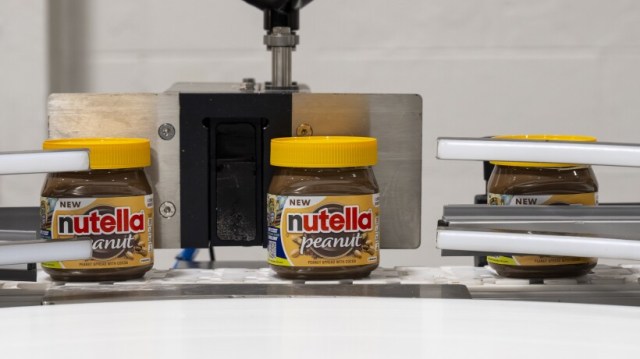
For over 60 years, Nutella has built one of the strongest brands in the world by doing something most companies avoid: staying exactly the same [1]. Since its introduction in 1964, the Nutella chocolate product […]

What Google Actually Launched Over the past year, Google has started to change what searching looks like. Once a user searches instead of showing a list of links, it begins showing AI-generated answers through tools […]
The 2026 FIFA World Cup represents more than just another soccer world cup. With 48 teams and matches hosted across the United States, Canada, and Mexico, this tournament marks the largest World Cup in history […]

In the ever-evolving world of marketing, understanding the intricacies of consumer psychology is akin to finding a hidden treasure map. Brands that tap into the psychological triggers of their audience can create not only one-time buyers but lifelong brand advocates. Let’s explore how some leading companies masterfully leverage consumer psychology to build unshakeable brand loyalty [1].

In an increasingly globalized world, branding strategies must adapt to regional tastes, cultural nuances, and consumer behavior. For businesses expanding across continents, understanding the differences in branding approaches between the United States and Europe—particularly Western and Central Europe—is key to establishing a strong and resonant presence [1]. In this post, we’ll explore some of the critical distinctions in branding strategies and consumer expectations across these regions[2].

The Olympics is one of the most prestigious and widely viewed sporting events in the world, captivating billions of viewers across the globe. For marketers, the Games present a unique opportunity to connect with a vast, diverse audience. However, with this opportunity comes the challenge of developing a marketing strategy that not only resonates with this global audience but also aligns with the values and spirit of the Olympics. The 2024 Paris Olympics, with its emphasis on sustainability, innovation, and cultural celebration, offers a particularly compelling stage for brands to showcase their creativity and commitment to global values [1].

