
The 2026 FIFA World Cup represents more than just another soccer world cup. With 48 teams and matches hosted across the United States, Canada, and Mexico, this tournament marks the largest World Cup in history and the first to span three countries [1]. However, the true significance of the 2026 Cup extends beyond just those facts. The tournament reflects a bigger shift in how global events operate within an increasingly fragmented media environment. As audiences move across streaming platforms, social media, and in-person experiences, the World Cup is evolving from a centralized broadcast event into a decentralized network of cultural moments. Like other sporting moments seen this very year, the 2026 World Cup functions not only as a sporting event, but as a strategic marketing platform where brands must rethink how they create relevance and engagement.
Strategic Implications
Historically, the World Cup has been dominated by global sponsorships and large-scale advertising campaigns. While these remain important and present, they are no longer enough just on their own. According to Marketing Brew, brands are increasingly shifting toward localized campaigns and community-based activations in host cities rather than relying solely on global messaging [2]. This teaches a crucial marketing principle: visibility does not always translate into value. Instead, brands must integrate themselves into the environments where consumers are actually engaging with the event. Therefore, the company’s focus shifts from being seen to being experienced.
Global Strategy and Local Adaptation
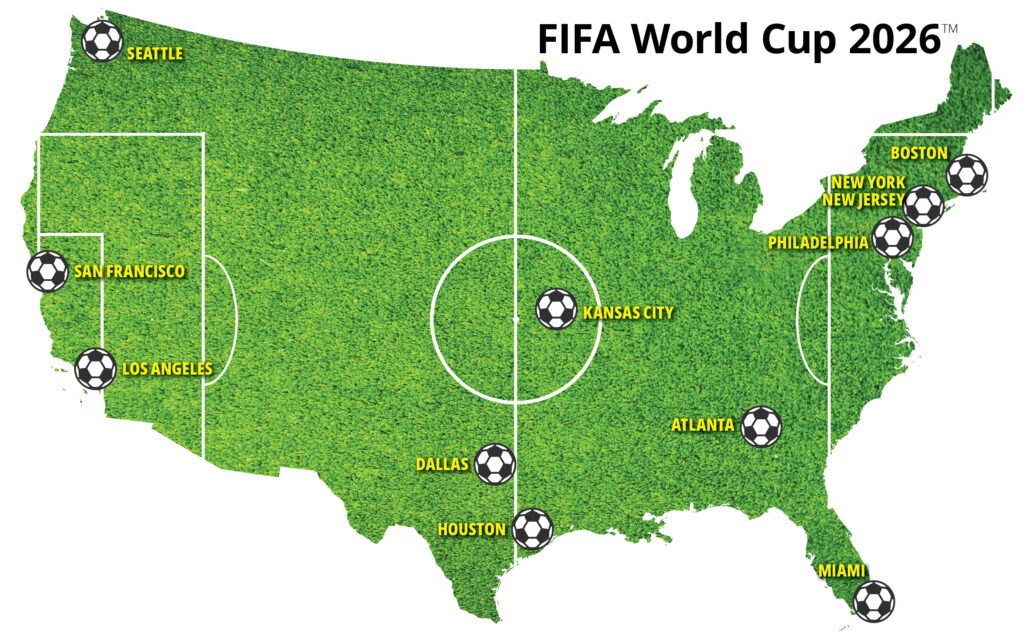
The multi-country structure of the 2026 World Cup reinforces the need to balance global consistency with local relevance. Each host city, from Los Angeles to Mexico City to Toronto, carries different cultural identities and consumer behaviors. A standardized campaign applied across all markets takes the risk of potentially losing authenticity. Instead, brands are adopting “glocal” strategies, meaning they are trying to maintain a unified message while customizing the execution to local audiences [3]. This approach strengthens the brand’s credibility and allows the companies to connect more meaningfully with diverse consumer segments.
Execution: From Advertising to Experience
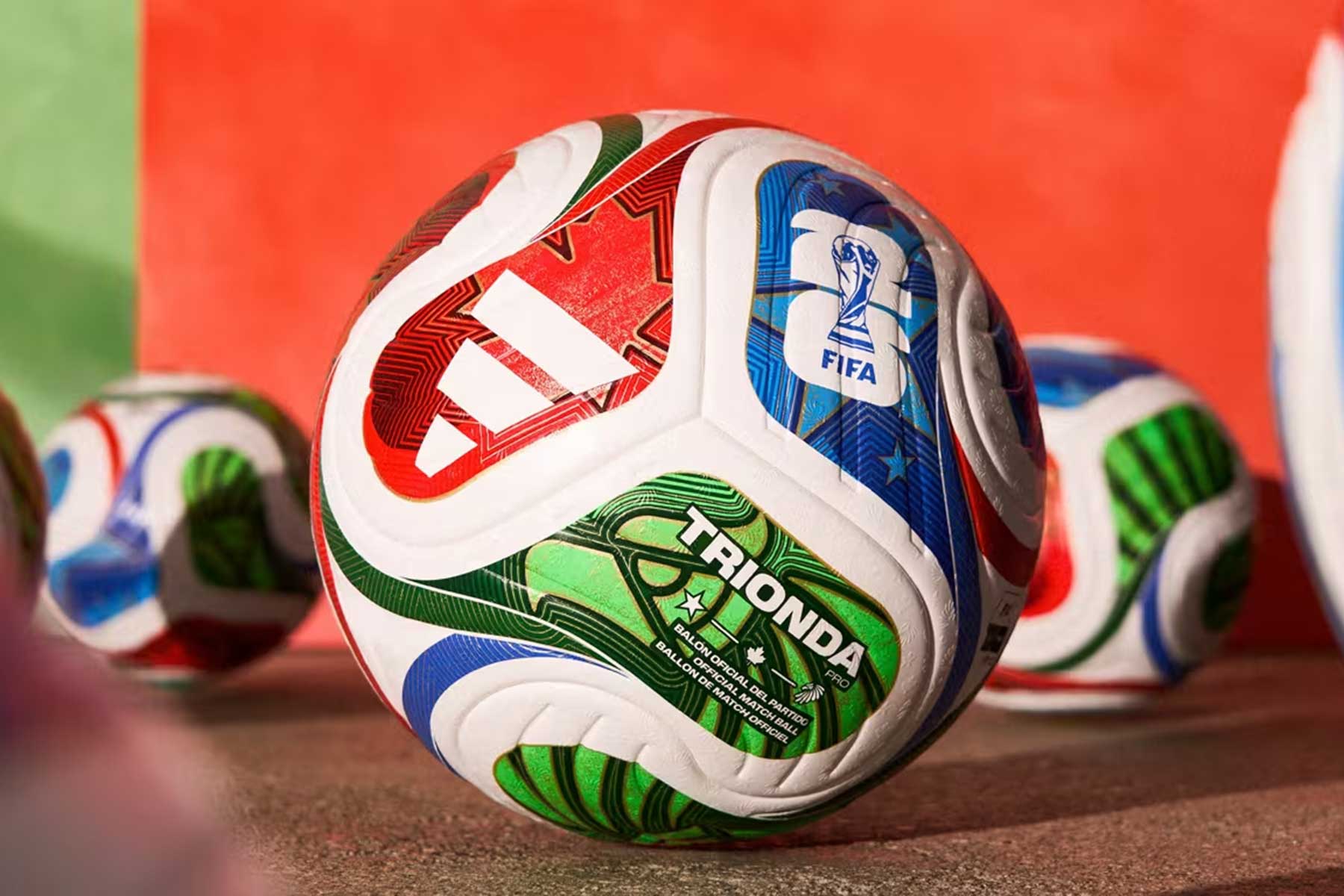
Execution in the 2026 World Cup is increasingly focused on experiential marketing. Rather than focusing exclusively on traditional ads, brands are investing in:
- Fan Zones
- Community events
- Interactive digital experiences
For example, cities like Kansas City and Houston are already planning large-scale public activations and fan festivals to engage local communities during the tournament [4,5]. These initiatives transform the World Cup into an experience where one can participate rather than just a passive viewing event. This shift reflects a key change in modern marketing: consumers are no longer just audiences, rather they are now participants.
Digital Integration and Media Fragmentation
The 2026 World Cup will also operate within one of the most fragmented media landscapes in sports history. Audiences are expected to consume content across:
- Traditional broadcast
- Streaming platforms
- Social media & short-form video
According to Digiday, this media landscape creates new challenges for marketers because no single platform guarantees to reach everyone [6]. At the same time, it creates opportunities for more targeted and interactive engagement through influencer partnerships and real-time content. Therefore, marketing strategies must become more integrated, to ensure consistency across multiple platforms while adapting to different forms of consumption.
Challenges
Exclusivity and Regulation
FIFA’s sponsorship structure allows exclusive rights to official partners, while simultaneously, limiting how non-sponsors can engage directly with the tournament. This has led to an increase in “ambush marketing” strategies, where brands connect with audiences indirectly through cultural or local touchpoints [7].
Attention Saturation
The scale of the World Cup generates an overwhelming volume of content. Brands must compete not only with each other, but with live matches, highlights, and viral moments. This makes differentiation increasingly difficult, requiring clear positioning and disciplined execution.
Cultural Complexity
With matches taking place across multiple countries and diverse audiences, cultural sensitivity becomes critical. Messaging that resonates in one market or country may not translate effectively in another. Authenticity, therefore, is essential to maintaining credibility across regions.
Conclusion
The 2026 FIFA World Cup teaches us about a broader transformation in marketing strategy. As global events become more decentralized and audiences more fragmented, brands must shift from visibility-driven approaches toward strategies centered on relevance, experience, and integration. The key takeaway is that scale alone does not guarantee impact. Even within one of the largest sporting events in the world, success depends on how effectively brands connect with consumers at a local level. When the tournament ends, the most valuable outcome will not be short-term exposure, but long-term brand equity built through meaningful engagement. In a time where attention is limited and the competition is intense, brands must decide whether they are simply part of the event or part of the experience.
By Isabella Otero
Sources
- [1] FIFA. (2026). FIFA World Cup 2026 Overview. https://www.fifa.com
- [2] Marketing Brew. (2026). Soccer Local World Cup Campaigns. https://www.marketingbrew.com/stories/2026/04/09/soccer-local-world-cup-campaigns
- [3] PwC. (2024). Sports Survey: Global vs Local Strategy Trends. https://www.pwc.com
- [4] Axios. (2026). Kansas City World Cup Activations. https://www.axios.com
- [5] Houston Chronicle. (2026). Community Soccer Activations Ahead of World Cup. https://www.houstonchronicle.com
- [6] Digiday. (2025). Fragmented Media and World Cup Advertising. https://digiday.com
- [7] What is Ambush Marketing and How to Use It. https://mailchimp.com/resources/ambush-marketing
- [8]https://share.america.gov/us-readies-for-fifa-world-cup-2026/
- [9]https://galaxyfbo.com/fifa-world-cup/
- [10]https://www.ussoccer.com/stories/2018/06/united-bid-hopes-for-historic-day-as-vote-for-2026-fifa-world-cup-host-set-for-wednesday-morning
- [11]https://www.nbcuniversal.com/article/telemundo-nearly-sold-out-2026-fifa-world-cup-largest-deals-spanish-language-history
- [12]https://www.fox29.com/news/all-48-teams-2026-world-cup-confirmed-see-full-list-nations-coming-tournament

