
The 2026 FIFA World Cup represents more than just another soccer world cup. With 48 teams and matches hosted across the United States, Canada, and Mexico, this tournament marks the largest World Cup in history […]

The 2026 FIFA World Cup represents more than just another soccer world cup. With 48 teams and matches hosted across the United States, Canada, and Mexico, this tournament marks the largest World Cup in history […]

With the COVID-19 pandemic preventing opportunities for travel, the travel and tourism industry has seen the rapid emergence and growth of several travel trends as people can now follow-through on their vacation dreams and book trips. These trends include traveling to see a concert, making more sustainable vacation choices, and looking for unique, once in a lifetime trips as opposed to more common and mainstream tourist destinations. This last trend has led to an increase in “surprise travel”.
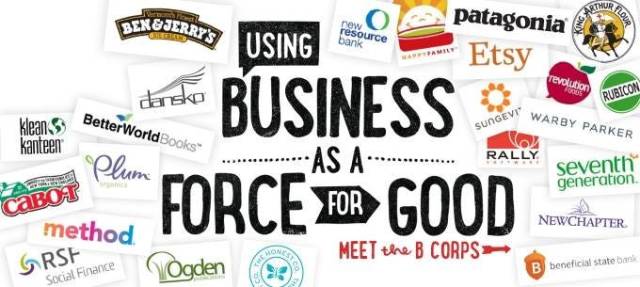
In today’s business environment, there has been an increase in the number of businesses who have become Certified B-Corporations, or B-Corps. In order for a B-Corp to be successful in fulfilling its specific social and environmental missions, they must also be successful in turning a profit. And in order to attract investors, customers, and other important partners, a B-Corp must have a strong marketing team to convey what differentiates their business from other for-profit competitors.

In today’s competitive media market, entertainment companies seek to utilize existing intellectual properties that already have a proven and dedicated audience, and then expand those stories and characters, for example, through sequels, remakes, or TV show spinoffs. Another example of this strategy that has been gaining popularity, is taking popular Broadway musicals and turning them into movie musicals. Despite many of these Broadway musicals having passionate fanbases, these movie musical adaptations of the past decade have been met with mixed reviews and varying levels of success.

Current disengagement and uncertainty with indirect, mass media marketing is leading towards many companies incorporating event marketing and experience-based marketing as part of their strategy. This is especially pertinent to companies who want to capture the millennial and Gen Z audiences, as these demographics have proven to respond better to experiential marketing over traditional marketing techniques. One big example of this can be seen with music festivals and concerts, as recent studies have shown that billions of dollars are spent annually by brands on advertising their products at music festivals.
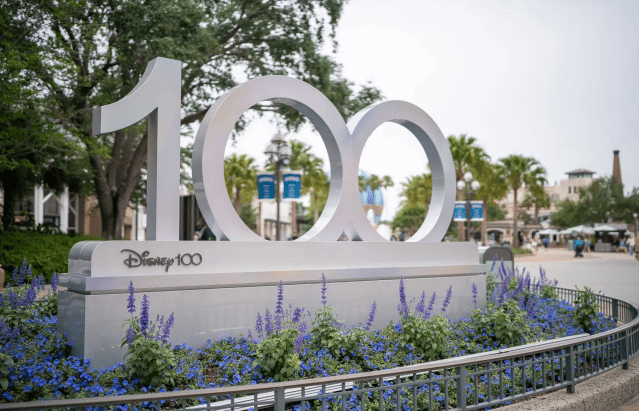
For 100 years, The Walt Disney Company (Disney) has been delighting generations of people across the world with their creative and emotional storytelling and their sense of magic that can be found in all aspects of the company, from their theme parks and cruise ships to their consumer products. Disney has become synonymous with dreams, hope, and innovation. Anniversaries serve as a prime opportunity for companies and organizations to reflect on and share the history of their company, while also marketing the upcoming new projects of the future. For a company as influential and wide-reaching as Disney, how do you pack 100 years of magic, memories, and branding into one cohesive celebratory campaign? Let’s take a look and see just some of the ways that Disney is telling their story in whole new ways utilizing their marketing strategy.

For marketers, there is one important question that is constantly on their minds: how do we stay relevant?Relevancy is paramount to a company’s success. If an organization is no longer relevant, it is no longer on the forefront of consumer’s minds. In today’s competitive business environment, customers can only realistically choose between so many options.

Summer has always been an important season for the entertainment industry, specifically in regard to movies. The summer box office season, which begins in May and lasts through early September, sees the highest number of blockbuster movies be released into movie theaters, as all major studios strategically send the movies that they think will draw the highest number of people to theaters and, therefore, gross the most money. These summer blockbusters tend to rely on some form of recognizable namesake to draw viewers; for example, the name of an A-list actor starring in the cast, the name of the movie being associated with a successful or nostalgic franchise, or the name of the studio being enough to draw fans of that brand to see their newest work.
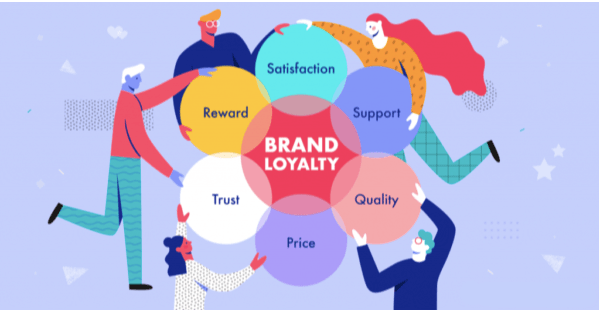
In modern marketing strategy, a large focus is placed on acquiring new customers. In fact, a recent research survey showed that 72% of small businesses planned to use the majority of their marketing budget to try to attract new customers as opposed to marketing new benefits and products to their existing customers1. However, expanding a company’s customer base does not always equate to business growth. Recent studies have shown that building loyalty with existing customers is equally important, as existing customers tend to be more profitable.

One of the most powerful entities for a marketing department is data. For a business, having data on their customers and their prospective buying habits can impact how the business markets their products and services. Today, the constant advancements in technology have made it easier for companies to collect large amounts of data ranging from customer demographics to customer satisfaction.

