
Many retailers compete by offering the lowest prices or the widest selection of products. Costco does both, but its greatest strength may actually be its ability to create customer loyalty. Unlike most stores, Costco requires […]
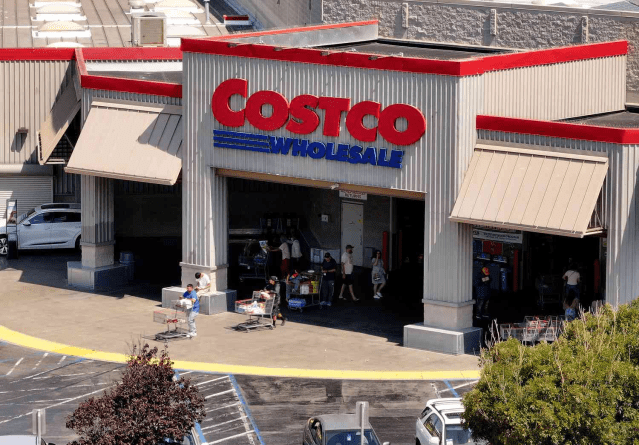
Many retailers compete by offering the lowest prices or the widest selection of products. Costco does both, but its greatest strength may actually be its ability to create customer loyalty. Unlike most stores, Costco requires […]
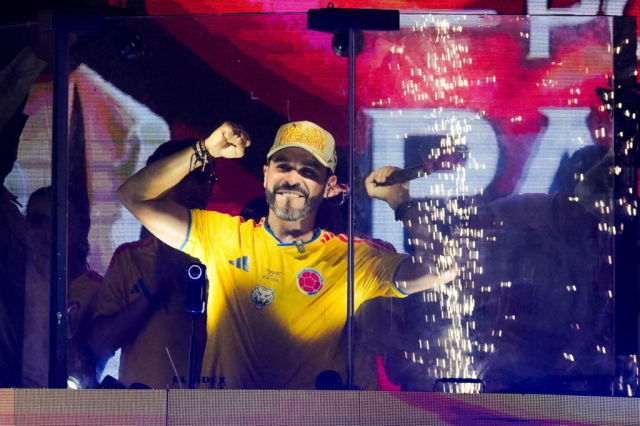
When most people hear the word ‘marketing,’ they think about companies selling products like Nike shoes or Coca-Cola. However, marketing is not limited to businesses. Political campaigns use many of the same marketing strategies to […]
There was a time when brands spoke in one voice. Somewhere along the way, brands stopped sounding like companies and started sounding like people with Wi-Fi and opinions. Everything was once approved by seven layers […]
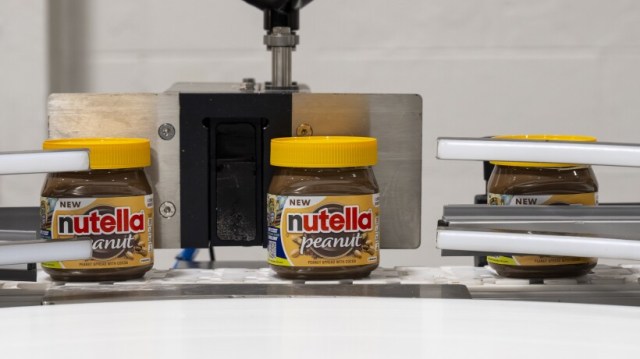
For over 60 years, Nutella has built one of the strongest brands in the world by doing something most companies avoid: staying exactly the same [1]. Since its introduction in 1964, the Nutella chocolate product […]
The 2026 FIFA World Cup represents more than just another soccer world cup. With 48 teams and matches hosted across the United States, Canada, and Mexico, this tournament marks the largest World Cup in history […]
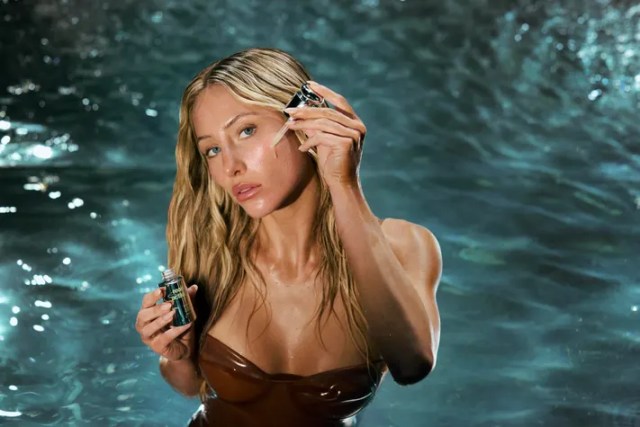
When most people think about influencer marketing, they probably imagine celebrities with millions of followers promoting products. But what might be surprising is that smaller influencers with much fewer followers can sometimes deliver better results. […]
Not all marketing success initially looks like success. When McDonald’s CEO Chris Kempczewski posted a promotional video for the company’s new Big Arch burger, it went viral but for all the wrong reasons [1]. It […]
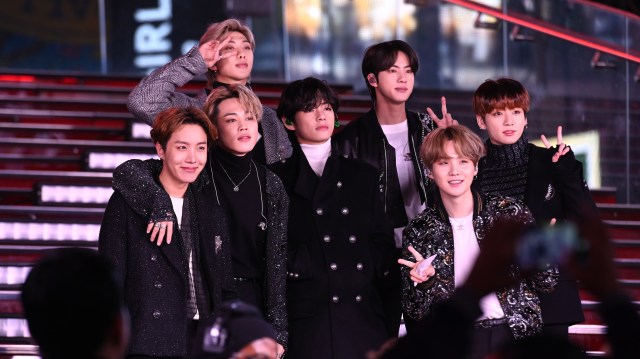
The return of BTS represents one of the most anticipated events in the global entertainment industry. BTS is a seven-member male K-pop group that debuted in June 2013 from a then-small entertainment company, Big Hit […]
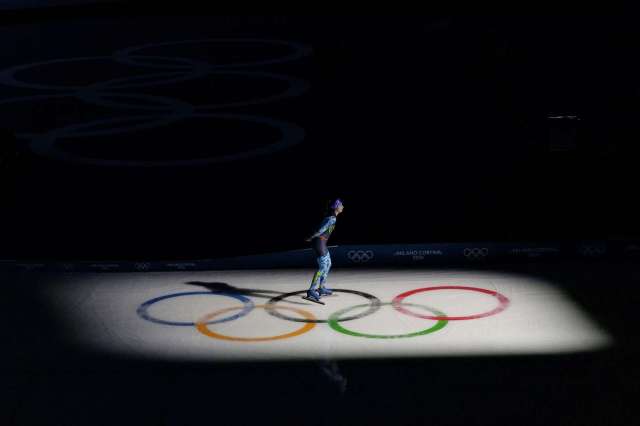
Armonia, or Harmony, is the official theme for the 2026 Milano-Cortina Winter Olympic Games, one that represents this particular Games’ broader vision for the world beyond sports [7]. Unlike traditional Olympic ceremonies held in a […]

Marketing campaigns often tap into human emotions to influence decision-making. Two of the most powerful emotions marketers leverage are fear and hope. Fear-based marketing warns consumers about risks and negative consequences, while hope-based marketing inspires them with possibilities and positive outcomes. Both strategies can be effective, but the key is knowing when, where, and how to use them [1].

