
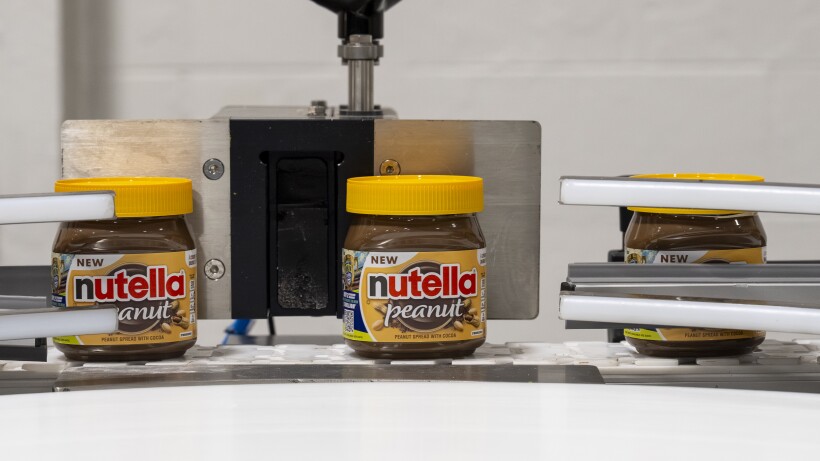
For over 60 years, Nutella has built one of the strongest brands in the world by doing something most companies avoid: staying exactly the same [1]. Since its introduction in 1964, the Nutella chocolate product stayed basically unchanged, making the brand synonymous with consistency and trust [1]. However in 2026, that changed. The recent launch of Nutella Peanut represented the first-ever flavor innovation introduced by Nutella’s parent company, Ferrero [2]. This raises an important question: is this innovation necessary or is it a risk to one of the most stable legacy identities in the food industry?
What Happened
In April of 2026, Nutella officially launched Nutella Peanut across the United States [2]. The new chocolate product blends its classic cocoa-hazelnut spread with an added roasted peanut flavor, rather than replacing hazelnuts entirely. This is the first new flavor in Nutella’s 60+ year history, making it a major move for the brand [2]. The new product rollout is heavily focused on North America meaning the product was developed specifically for U.S. consumers, is produced in Illinois, and is currently distributed nationwide. Ferrero also invested heavily in specifically U.S. production (around $75 million) to support the launch, showing that this is part of a long-term growth strategy, not just a one-time release [3].

Legacy Importance
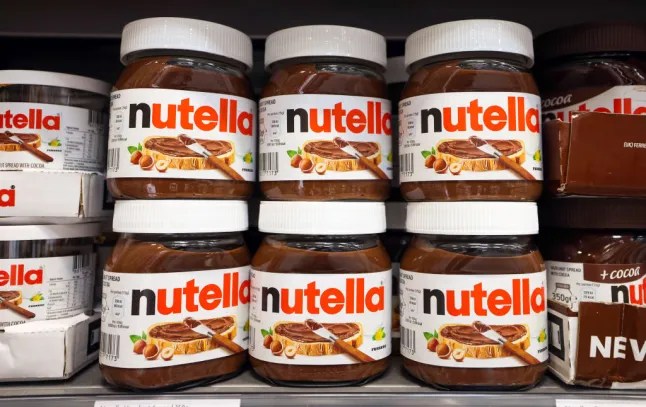
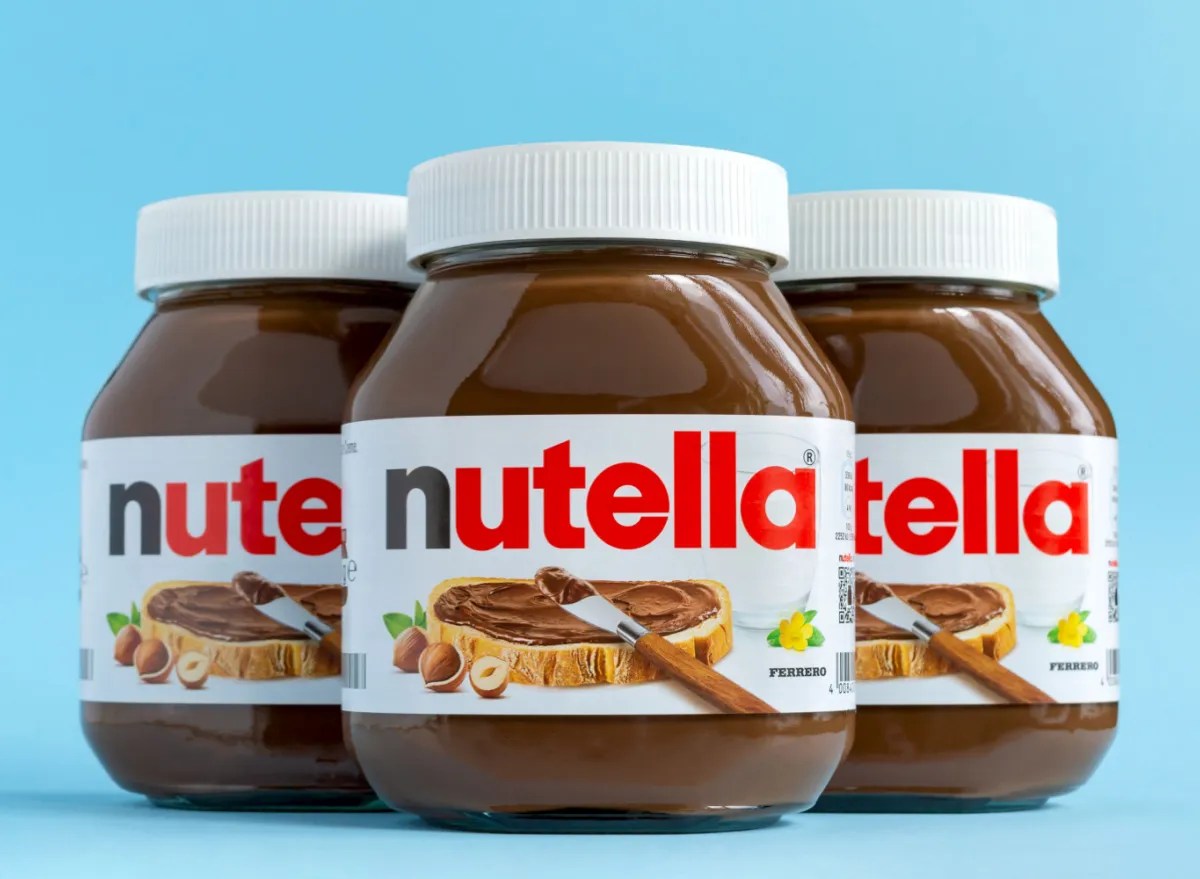
Nutella’s success is deeply tied to its consistency or legacy. For decades, the brand has avoided constant product changes, which allowed it to build:
- Strong brand equity → consumers associate Nutella with reliability
- Emotional connection → tied to routine, nostalgia, and childhood
- Global consistency → one product, recognized everywhere
This is rare among food brands. Most food brands rely on frequent innovation and changes, but Nutella built power by doing the opposite. That’s exactly what makes this move especially risky. When a brand has always been known for staying the same, even small changes can challenge consumer expectations. If not handled carefully, innovation can harm the identity that made the brand successful in the first place.
Innovation Importance
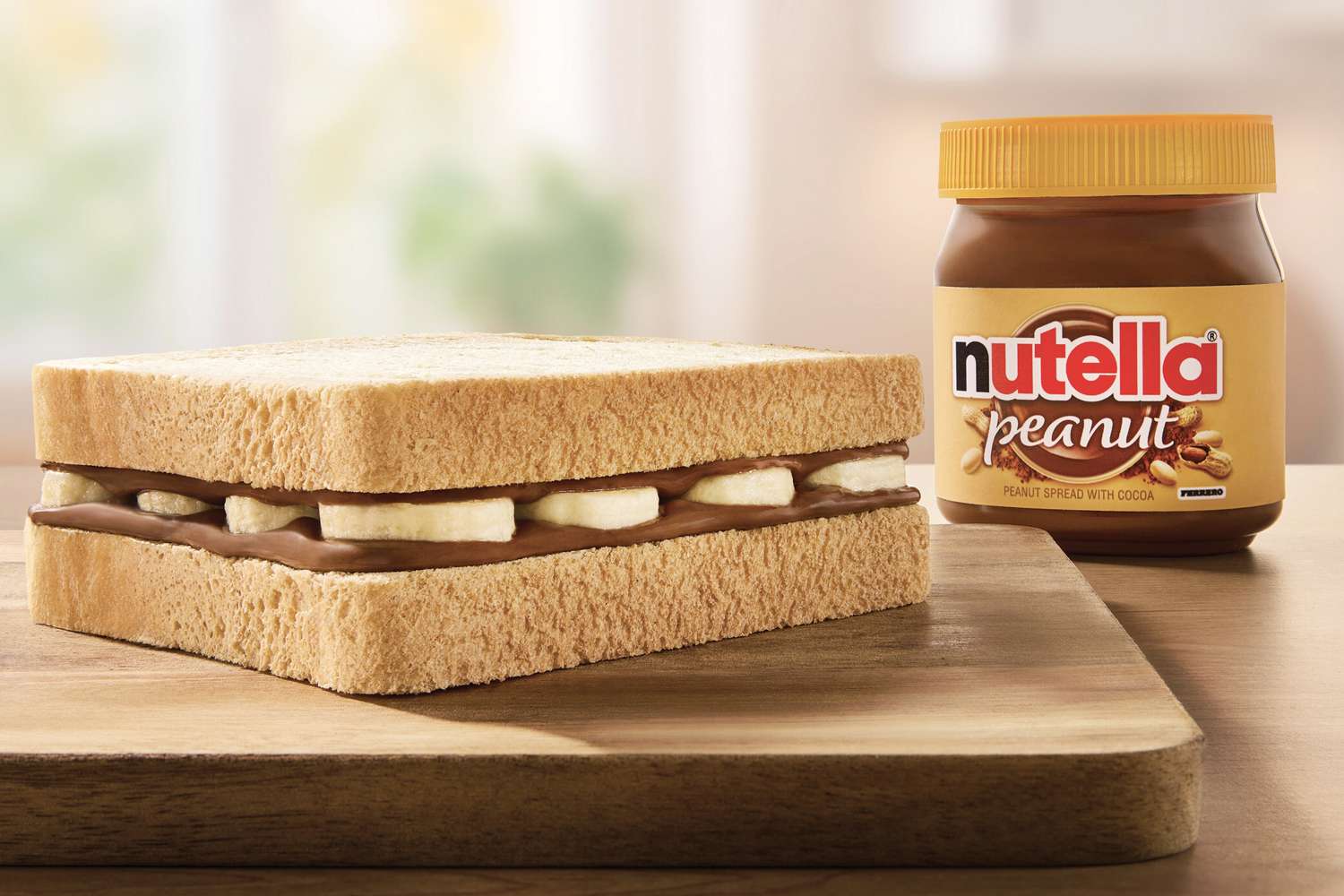
At the same time, this product addition is not random, it’s strategic. The U.S. market is heavily dominated by peanut-based products. In fact, peanut butter is a staple in most American households, making it a natural entry point for Nutella to grow [4]. By launching Nutella Peanut, Ferrero is:
- Adapting to local preferences → peanut flavor is highly familiar in the U.S.
- Expanding usage occasions → not just a treat, but a sandwich or snack spread
- Responding to consumer behavior → many people already mix Nutella with peanut butter
This is a classic known line extension strategy which is adding a new variation without replacing the original product. Instead of abandoning its legacy completely, Nutella is trying to build on it.
What This Means for Marketing Students
This launch highlights one of the most important tensions in marketing: When should a brand protect its legacy, and when should it innovate? Nutella shows that:
- Strong brands can delay innovation for decades but when they act, it must be intentional
- Product innovation is often about market expansion, not just newness
- The most effective strategies balance consistency and change, rather than choosing one
For marketing students, the takeaway is simple: Branding is not just about creating something new, it’s about knowing when change actually adds value, and when it risks everything the brand stands for.

By Isabella Otero
Sources:
[2]https://www.ferrero.com/us/en/news-stories/news/nutella-peanut-first-new-flavor-in-60-years

