
20 years ago, if you wanted to watch a TV series or movie you had to be sitting in front of your TV at a specific time or you’d miss it entirely. Over the years, […]

20 years ago, if you wanted to watch a TV series or movie you had to be sitting in front of your TV at a specific time or you’d miss it entirely. Over the years, […]
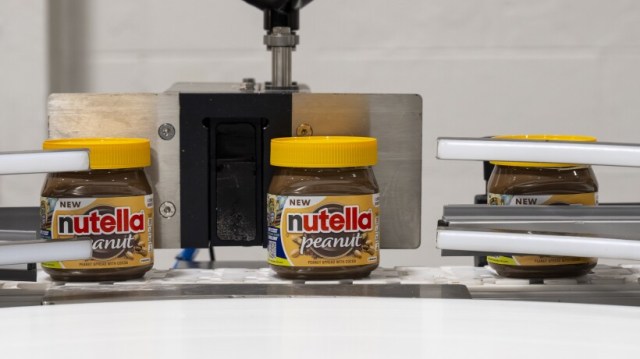
For over 60 years, Nutella has built one of the strongest brands in the world by doing something most companies avoid: staying exactly the same [1]. Since its introduction in 1964, the Nutella chocolate product […]

The return of BTS represents one of the most anticipated events in the global entertainment industry. BTS is a seven-member male K-pop group that debuted in June 2013 from a then-small entertainment company, Big Hit […]

Entertainment as a Global Marketing Strategy Modern marketing management focuses on value creation through integrated systems instead of isolated transactions. A strong example of global marketing is the recent Stray Kids world tour, DominATE, and […]

Marketing campaigns often tap into human emotions to influence decision-making. Two of the most powerful emotions marketers leverage are fear and hope. Fear-based marketing warns consumers about risks and negative consequences, while hope-based marketing inspires them with possibilities and positive outcomes. Both strategies can be effective, but the key is knowing when, where, and how to use them [1].

In the ever-evolving world of marketing, understanding the intricacies of consumer psychology is akin to finding a hidden treasure map. Brands that tap into the psychological triggers of their audience can create not only one-time buyers but lifelong brand advocates. Let’s explore how some leading companies masterfully leverage consumer psychology to build unshakeable brand loyalty [1].
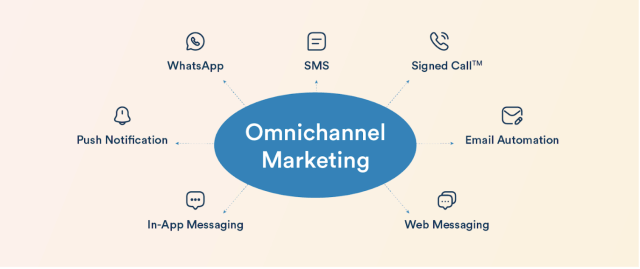
In today’s fast-paced, digital-first world, consumers are no longer tied to a single shopping channel. They might browse on their smartphone, research on their laptop, and make a final purchase in a physical store — or vice versa. This fluid journey between online and offline touchpoints creates both opportunities and challenges for brands.
The solution? Omnichannel marketing

In an age inundated with information and constant noise, the ability to cut through the clutter is more essential than ever for brands. One of the most powerful tools at a marketer’s disposal is storytelling. Effective storytelling not only captures attention but also forges deep emotional connections between brands and consumers. As competition increases and consumer preferences shift, understanding how to leverage storytelling effectively can significantly enhance a brand’s marketing strategy [1].

With the COVID-19 pandemic preventing opportunities for travel, the travel and tourism industry has seen the rapid emergence and growth of several travel trends as people can now follow-through on their vacation dreams and book trips. These trends include traveling to see a concert, making more sustainable vacation choices, and looking for unique, once in a lifetime trips as opposed to more common and mainstream tourist destinations. This last trend has led to an increase in “surprise travel”.

In recent years, TikTok has revolutionized the social media landscape, capturing the attention of billions worldwide with its short-form video format and vibrant community. For brands, TikTok has become an integral part of marketing strategies, offering unprecedented opportunities for engagement, creativity, and audience reach. However, with the looming threat of a potential ban on TikTok in certain regions, brands may be left wondering about the implications for their marketing plans [4]. TikTok has also been urging members of their community to put a stop to this ban [3].

