
20 years ago, if you wanted to watch a TV series or movie you had to be sitting in front of your TV at a specific time or you’d miss it entirely. Over the years, convenience became the forefront of the customer experience, especially when it came to entertainment. Streaming services single-handedly dethroned cable TV, giving audiences the freedom to watch anything, anytime, on their own terms. But that freedom came with consequences nobody saw coming.
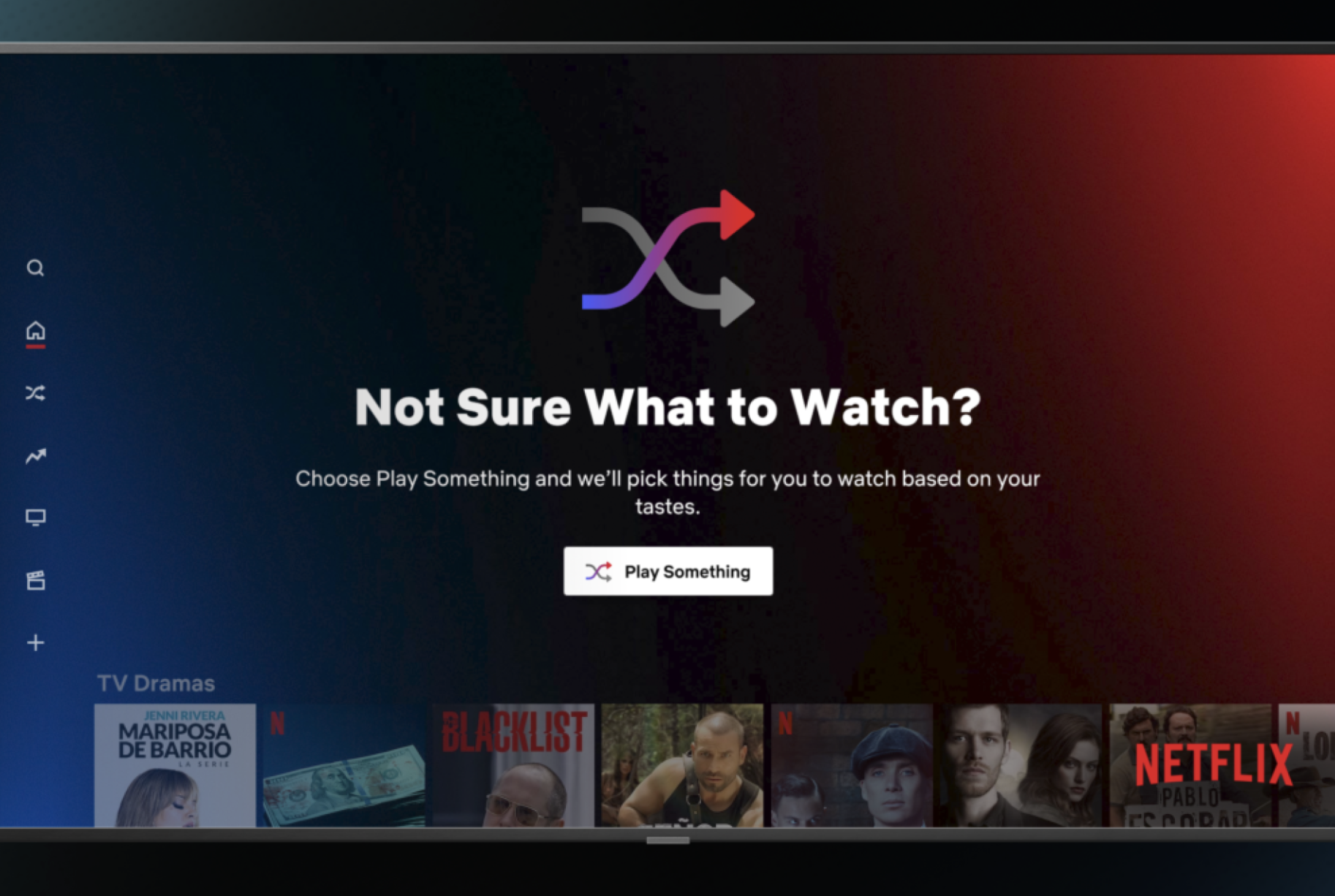
As the new millennium progressed, we hit a pinnacle of on-demand content. Any movie or show ever made from Casablanca to Grease to Breaking Bad was accessible within seconds [1]. An entire generation of children grew up blissfully unaware of the excitement of waiting all day to catch an episode of the Twilight Zone that wasn’t available anywhere else [2]. Eventually, audiences hit a wall. The sheer volume of content created a Paradox of Choice, where too many options led to no decision at all [3]. Streaming services felt this. Netflix responded in April 2021 by introducing the ‘Play Something’ feature, which randomly selected something for you to watch based on your viewing history, essentially mimicking the old experience of flipping through a handful of channels with limited options [4]. In a world where virtually any film ever made is a search away, this feature sounds pointless. However it became very popular, particularly among younger audiences who had never experienced cable TV and were, unknowingly, craving exactly what it replicated.

Netflix’s New Live Era
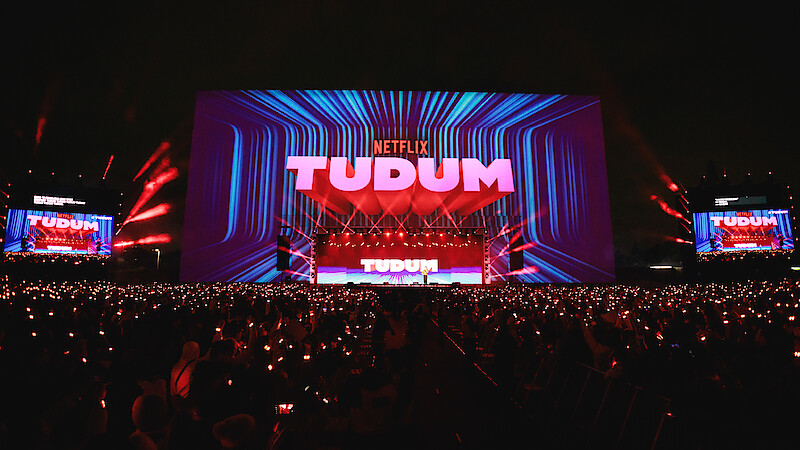
Netflix has been quietly but deliberately expanding into live content. Weekly WWE streaming, NFL Christmas Day games, live comedy specials like The Roast of Tom Brady, Alex Honnold free soloing Taipei 101, and fan events like Netflix Tudum are just a few examples [5]. Alongside live events, Netflix has also been experimenting with staggered releases, dropping episodes of a show week by week rather than all at once, deliberately building anticipation and suspense [6]. Together, these moves signal something important. On-demand is no longer the novelty it once was. The Paradox of Choice has pushed audiences to actually welcome having fewer options, because limitation brings back an emotional connection that unlimited access took away.
The Psychology Behind Live TV
The human experience behind on-demand TV is one that is best explained by convenience-centered culture. When streaming services gave us everything at once, they pinpointed the dopamine hit of immediate access and for a while, it worked. Binge-watching became a cultural norm precisely because every episode ending was designed to trigger another instant dopamine hit because the next episode was always just one click away. However neuroscience tells us something interesting about sustained reward systems which is that they breakdown. When gratification is instant and unlimited, the brain’s reward pathway changes. What once felt exciting becomes normal. That is why the removal of choice can feel more satisfying than having unlimited choices. Anticipation rebuilds that dopamine sensitivity. That is why a weekly episode drop, a live sports broadcast, or a one-night-only comedy special can feel more emotionally appealing than an entire season sitting unwatched in your list. Live content reintroduces what on-demand took away. When something is happening right now, the psychological weight of missing it, or FOMO, is real. This is the same idea behind flash sales, concert ticket windows, and limited-time offers. Netflix, whether intentionally or not, has tapped into the deep human truth that we value experiences more when they are limited.
What This Means for Marketing Students
The streaming industry’s full-circle journey, from scheduled broadcasts to unlimited on-demand and back toward live content, is one a real-world case study in consumer psychology. TheParadox of Choice tells us that more options don’t produce more satisfaction, they produce anxiety and decision fatigue. Netflix proved that, and their response is a practical example of behavioral psychology being used to redesign a product for the consumer. The takeaway for marketing students isn’t simply ‘less is more,’ It’s that perceived scarcity and anticipation are tools you can use to increase the emotional value of anything. A brand that releases everything at once often bores its audeince. A brand that creates windows, events, and countdowns turns its audience into active participants. The most effective marketing strategies going forward won’t just be about reaching the right person, they’ll be about creating the right emotional landscape before your product even releases.
Discussion Questions:
- Can you think of a brand outside of entertainment that has successfully used scarcity or anticipation to increase the perceived value of their product?
- Netflix’s ‘Play Something’ feature recreated the limitations of cable TV, do you think audiences genuinely missed that experience, or were they just exhausted by too many options?
- As streaming platforms continue to invest in live content, do you think on-demand will eventually feel like the less desirable option or will the two always coexist?
By Isabella Otero
Sources:
[1]https://www.cnet.com/tech/services-and-software/best-streaming-service/
[2]https://www.astound.com/learn/tv/cable-tv-vs-streaming-services/
[3]https://thedecisionlab.com/reference-guide/economics/the-paradox-of-choice
[4]https://variety.com/2021/digital/news/netflix-play-something-shuffle-launches-worldwide-1234962150/
[5]https://www.thestreet.com/retail/netflix-continues-its-big-push-into-live-television
[6]https://www.businessinsider.com/netflix-testing-weekly-episode-release-model-2019-9

