
When most people hear the word ‘marketing,’ they think about companies selling products like Nike shoes or Coca-Cola. However, marketing is not limited to businesses. Political campaigns use many of the same marketing strategies to […]

When most people hear the word ‘marketing,’ they think about companies selling products like Nike shoes or Coca-Cola. However, marketing is not limited to businesses. Political campaigns use many of the same marketing strategies to […]
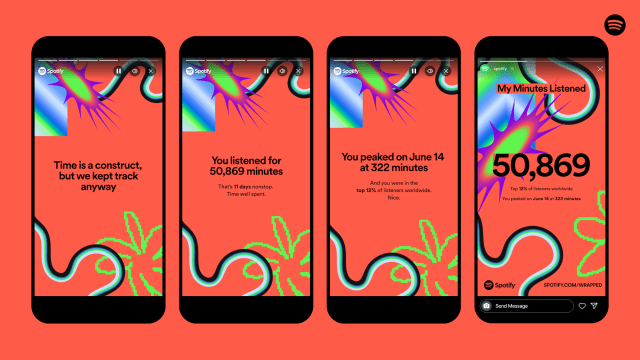
Every December, it seems impossible to scroll through social media without seeing everyone’s Spotify Wrapped [1]. People share their top artists, most-played songs, favorite genres, and even the number of minutes they spent listening to […]

Every May there is a sense of change in the air. Not just for graduates, but for brands. The advertisements change, the store displays change, the email subject lines change. Suddenly everything is covered in […]

20 years ago, if you wanted to watch a TV series or movie you had to be sitting in front of your TV at a specific time or you’d miss it entirely. Over the years, […]
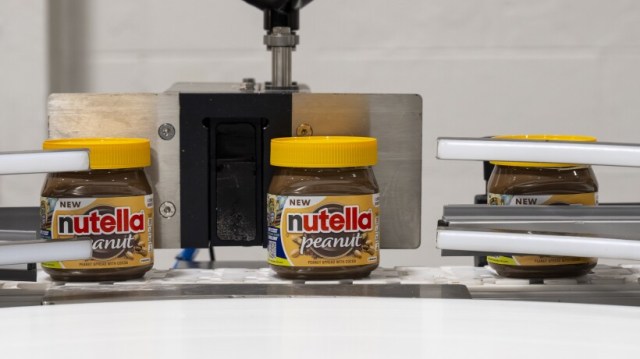
For over 60 years, Nutella has built one of the strongest brands in the world by doing something most companies avoid: staying exactly the same [1]. Since its introduction in 1964, the Nutella chocolate product […]
The 2026 FIFA World Cup represents more than just another soccer world cup. With 48 teams and matches hosted across the United States, Canada, and Mexico, this tournament marks the largest World Cup in history […]
Not all marketing success initially looks like success. When McDonald’s CEO Chris Kempczewski posted a promotional video for the company’s new Big Arch burger, it went viral but for all the wrong reasons [1]. It […]

Marketing campaigns often tap into human emotions to influence decision-making. Two of the most powerful emotions marketers leverage are fear and hope. Fear-based marketing warns consumers about risks and negative consequences, while hope-based marketing inspires them with possibilities and positive outcomes. Both strategies can be effective, but the key is knowing when, where, and how to use them [1].
International trade policy issues, tariffs, and changes in consumer behavior have presented challenges to trade for U.S. businesses in the last few years. Many firms are analyzing supply chain alternatives and attempting to bring production closer to home in order to mitigate tariff obstacles, promote brand loyalty, and consider the increasing desire for American goods. However, branding “Made in America” has its pros and cons and requires effective strategy and communication. [1].

In the ever-evolving world of marketing, understanding the intricacies of consumer psychology is akin to finding a hidden treasure map. Brands that tap into the psychological triggers of their audience can create not only one-time buyers but lifelong brand advocates. Let’s explore how some leading companies masterfully leverage consumer psychology to build unshakeable brand loyalty [1].

