
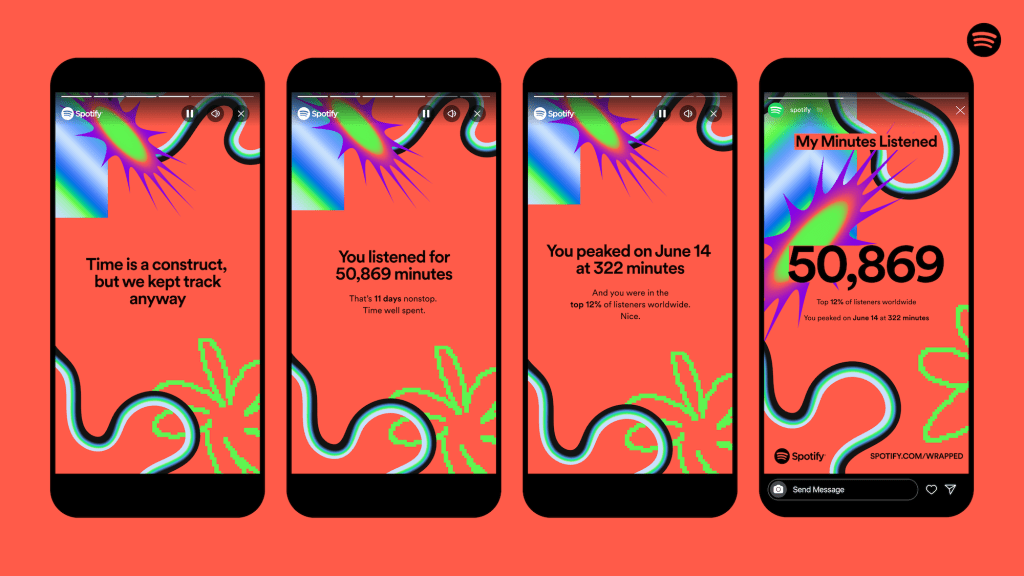
Every December, it seems impossible to scroll through social media without seeing everyone’s Spotify Wrapped [1]. People share their top artists, most-played songs, favorite genres, and even the number of minutes they spent listening to music throughout the year [1]. What began as a simple year-end summary has become one of the most successful marketing campaigns of the digital age, particularly among Gen Z and younger Millennials.
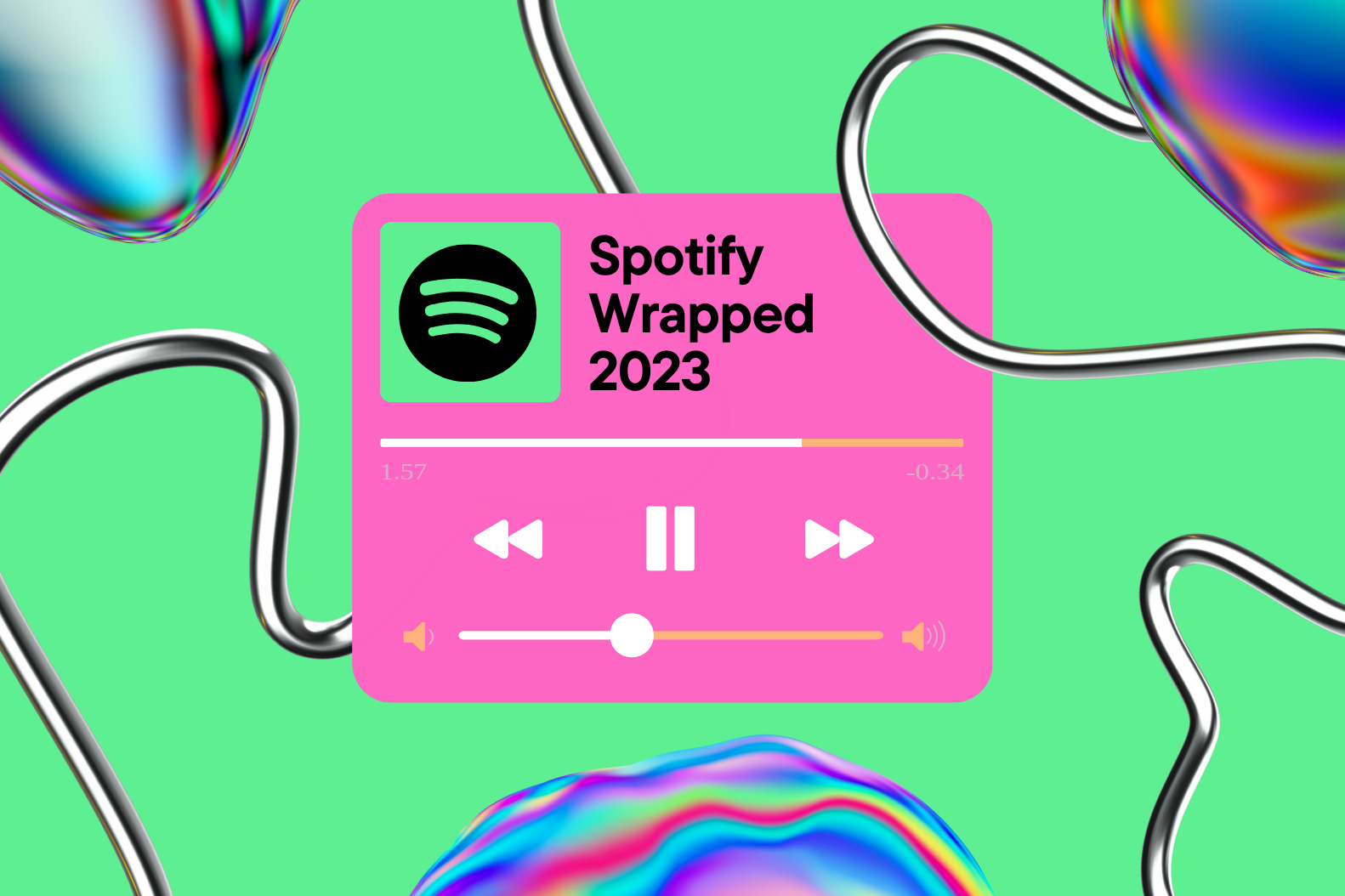
One of the biggest reasons Spotify Wrapped is so successful is because it is highly personalized. Unlike traditional advertisements that are shown to everyone, Wrapped is unique to each user. Spotify takes an entire year’s worth of listening data and turns it into a story about the individual. This makes users feel more connected to the platform because the experience is tailored specifically to them. In a time when consumers are constantly exposed to generic advertising, personalization is what helps Spotify stand out.
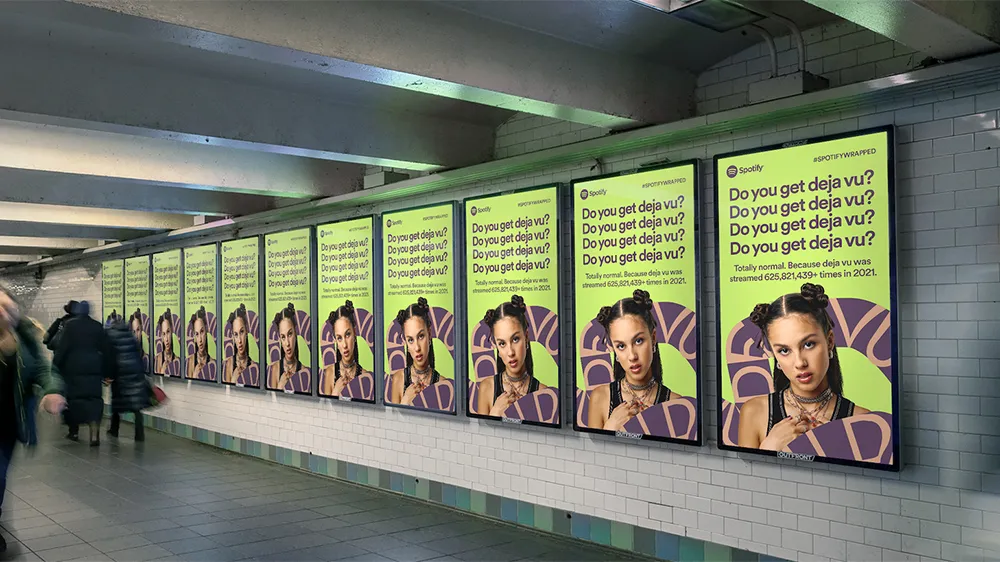
Another factor behind Wrapped’s success is its ability to tap into self-expression. Music is often closely tied to identity, especially for younger generations. The artists, songs, and genres people listen to can reflect their personalities, emotions, and interests. When users share their Wrapped results online, they are not simply posting statistics, they are sharing a part of who they are. This makes the content feel authentic and encourages people to participate.
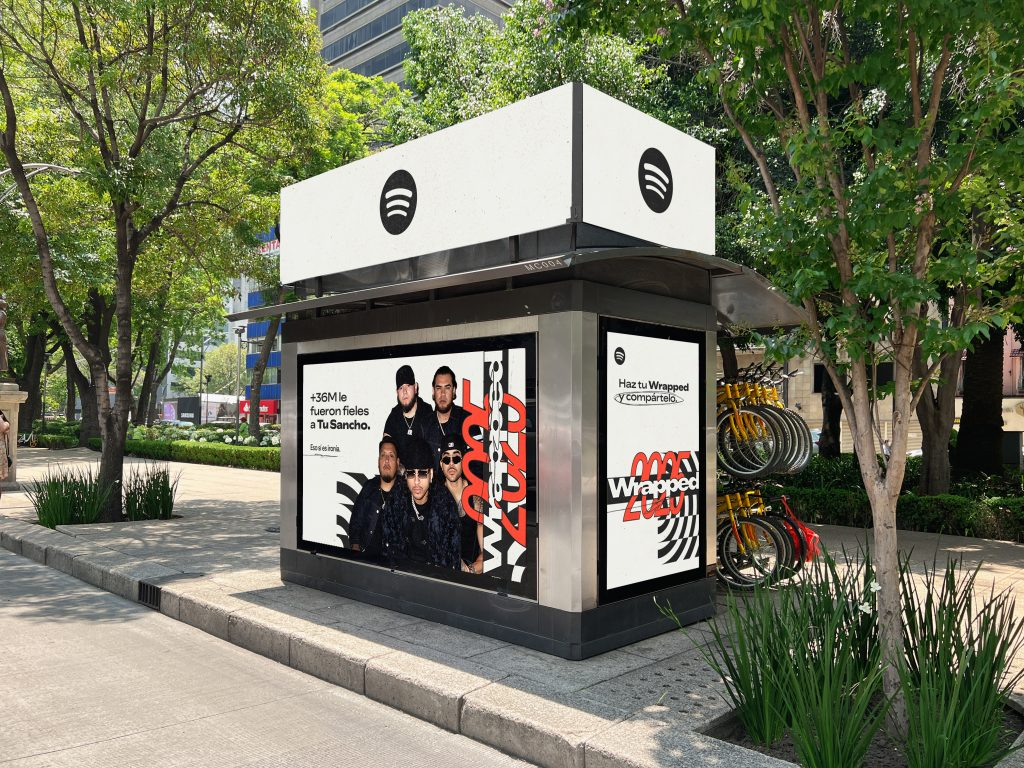
Spotify Wrapped also benefits from social sharing and user-generated content. Every year, millions of users voluntarily post their results on social media platforms. As a result, Spotify receives an enormous amount of free publicity. Instead of relying solely on paid advertising, the company allows its users to become marketers for the brand. Because the content comes from friends, classmates, and influencers rather than directly from Spotify, it often feels more trustworthy and engaging.
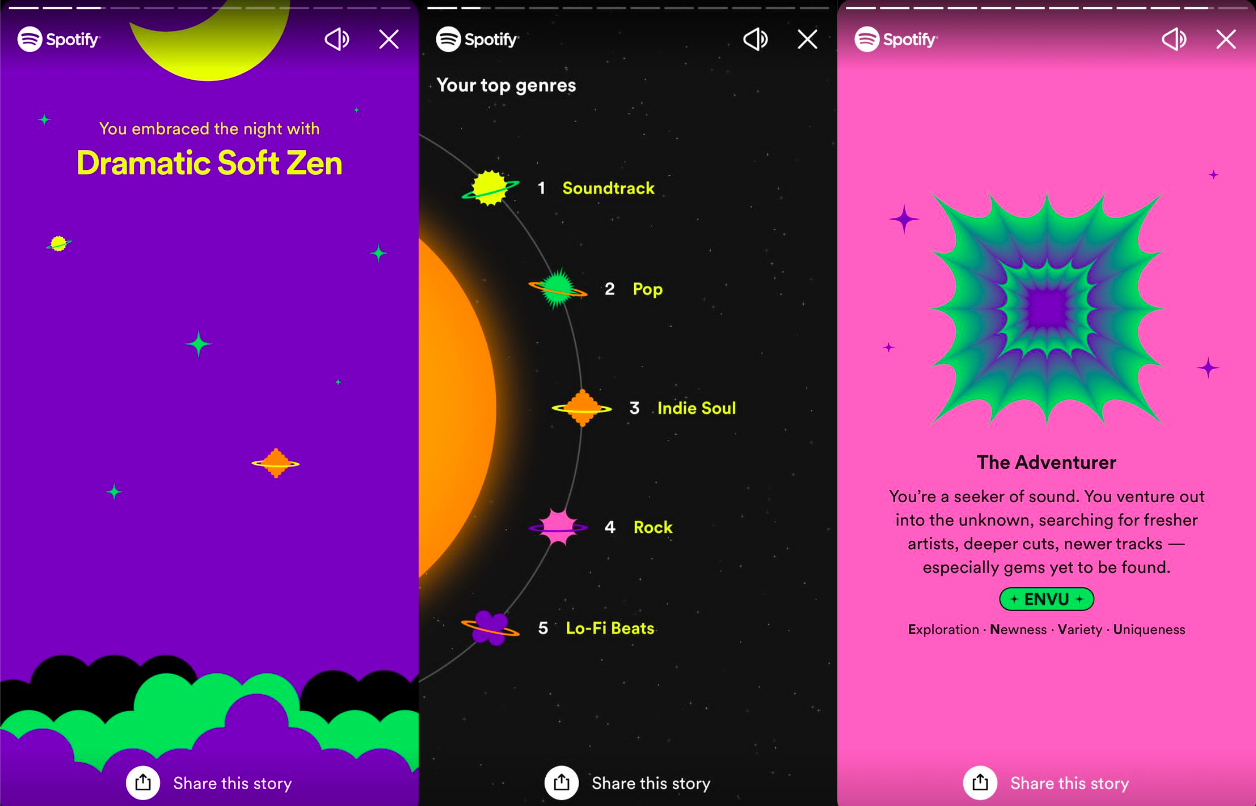
In addition, Wrapped creates a sense of excitement and anticipation. Many users look forward to receiving their results every year and even change their listening habits throughout the year knowing they will eventually see the data. The campaign has become a cultural event rather than just a marketing promotion. Conversations emerge about favorite artists, surprising results, and comparisons between friends, further increasing engagement.
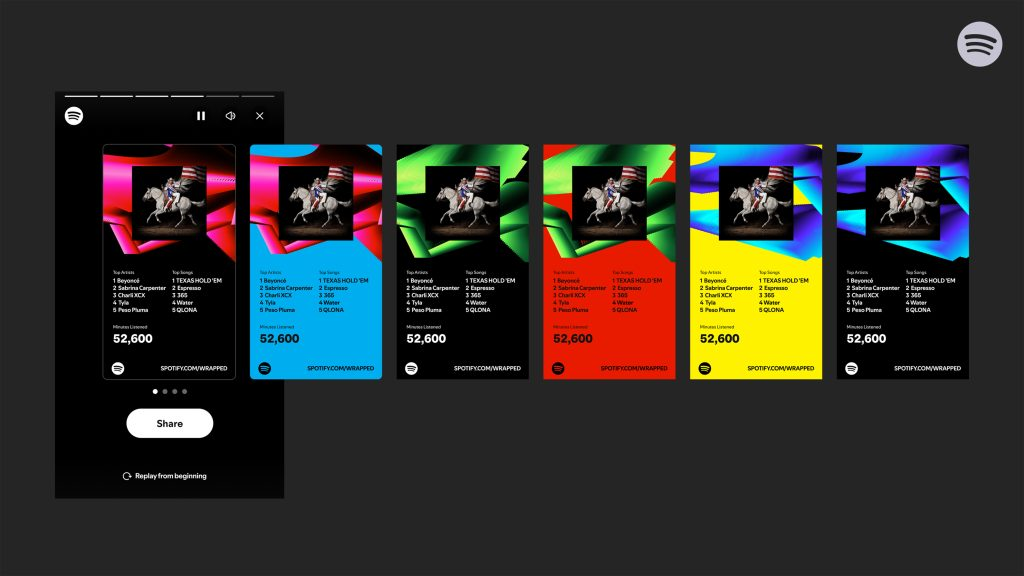
Finally, Spotify Wrapped demonstrates how companies can transform data into value for consumers. While many businesses collect user data, Spotify presents that information in a way that is entertaining, visually appealing, and meaningful. Instead of viewing data collection as intrusive, users actively look forward to seeing what their listening habits reveal about them.
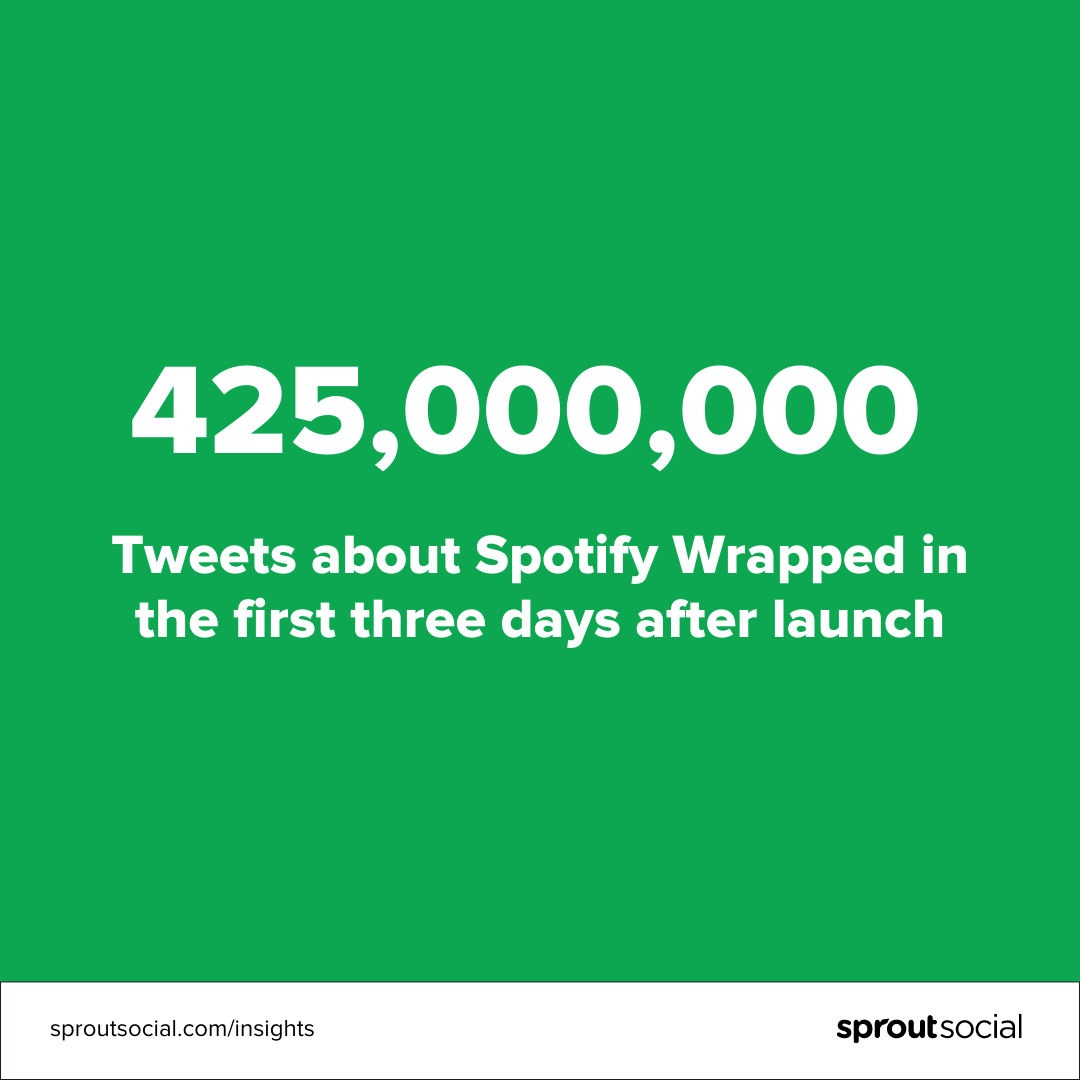
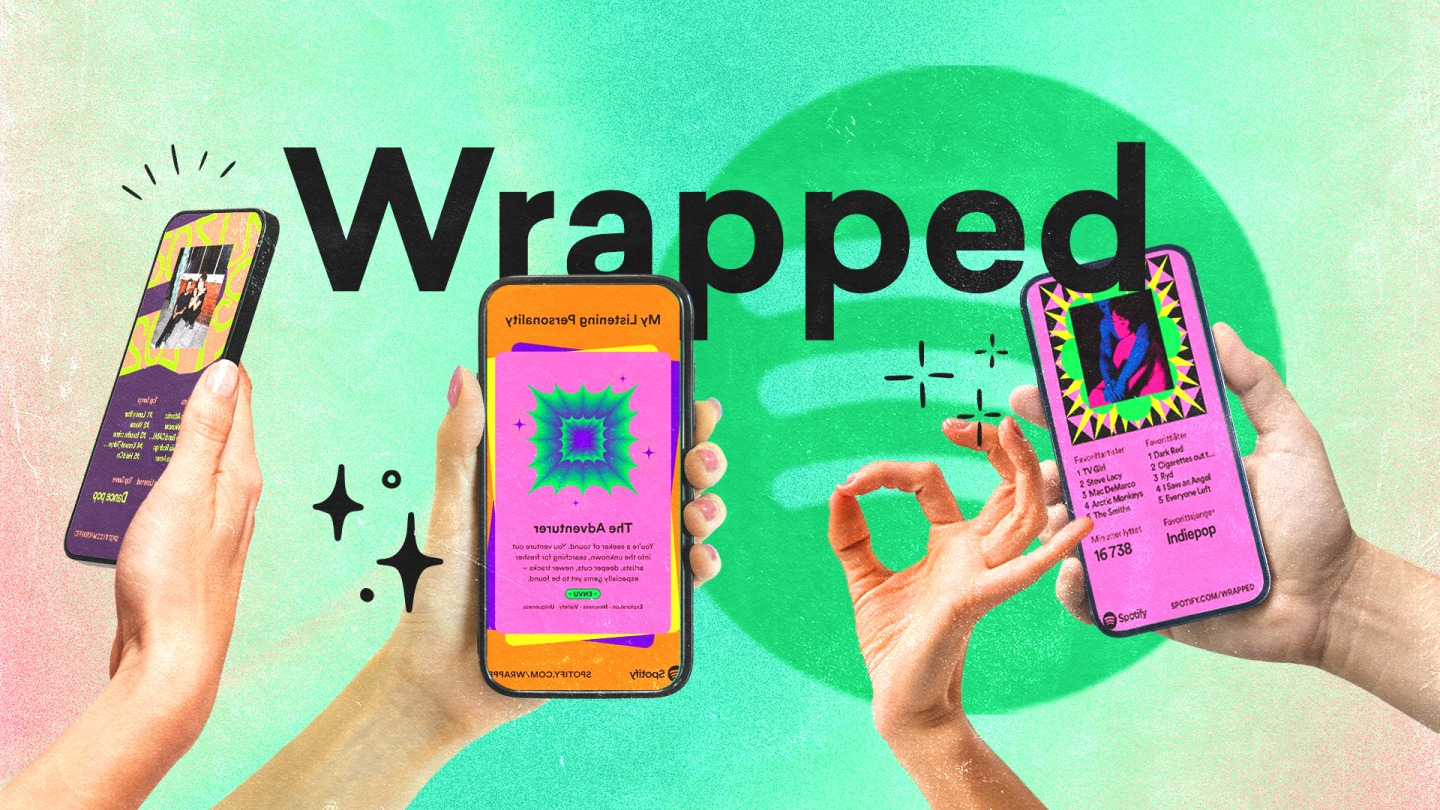
Overall, Spotify Wrapped is an excellent example of modern marketing because it combines personalization, social sharing, and user engagement into a single campaign. By creating an experience that people genuinely enjoy and want to share, Spotify has turned its users into brand ambassadors and transformed a yearly recap into a global marketing phenomenon. For young consumers especially, Wrapped feels less like an advertisement and more like a personalized reflection of their year, which is ultimately what makes it so successful.
Discussion Questions:
- Why do you think people are so willing to share their Spotify Wrapped results online, even though they might not normally share other personal data or statistics about themselves?
- Do you think Spotify Wrapped is successful primarily because of its personalization, or because it allows people to connect and compare themselves with others?
- What lessons can other companies learn from Spotify Wrapped, and do you think similar campaigns could be successful in industries outside of music?
By Isabella Otero
Sources:
[1] https://newsroom.spotify.com/2025-12-03/2025-wrapped-user-experience/

