

When most people hear the word ‘marketing,’ they think about companies selling products like Nike shoes or Coca-Cola. However, marketing is not limited to businesses. Political campaigns use many of the same marketing strategies to ‘sell’ candidates, ideas, and policies to voters.

One of the most important marketing concepts used in politics is branding. Just like companies create a brand identity, politicians work to create an image that voters can easily recognize and remember. A political candidate’s speeches, slogans, advertisements, social media posts, and even clothing choices all contribute to their personal brand.

For example, some candidates may brand themselves as outsiders who will challenge the political establishment, while others position themselves as experienced leaders who can provide stability. The goal is to create a clear identity that resonates with a target audience.
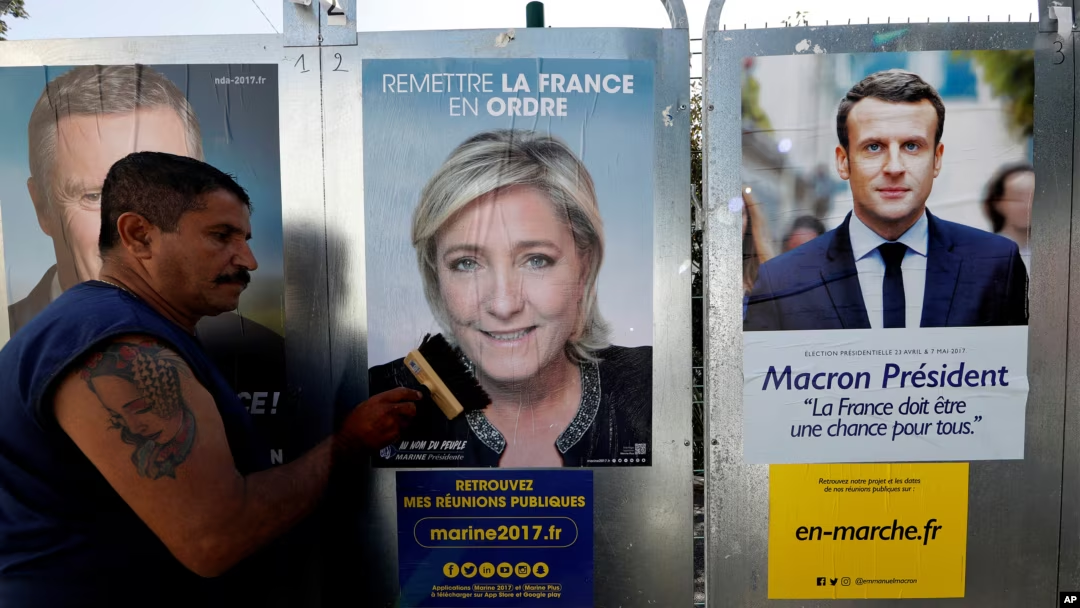
Another important marketing concept is market segmentation. In traditional marketing, companies divide consumers into groups based on characteristics such as age, income, interests, or lifestyle. Political campaigns do something very similar. Different groups of voters care about different issues. College students may prioritize education costs and job opportunities, while older voters may focus more on healthcare or retirement policies.
As a result, campaigns often tailor their messages to specific audiences. A candidate might emphasize one issue when speaking to students and another when speaking to business owners. This allows campaigns to communicate more effectively with different voter segments.

Social media has made political marketing even more powerful. Platforms like Instagram, TikTok, and X allow campaigns to reach specific groups with targeted content. Short videos, memes, and influencer partnerships have become common tools for engaging younger voters.

Political marketing demonstrates that marketing is about much more than selling products. At its core, marketing is about understanding an audience and communicating value in a way that connects with them. Whether the goal is to sell a pair of shoes or earn votes in an election, the same principles often apply.
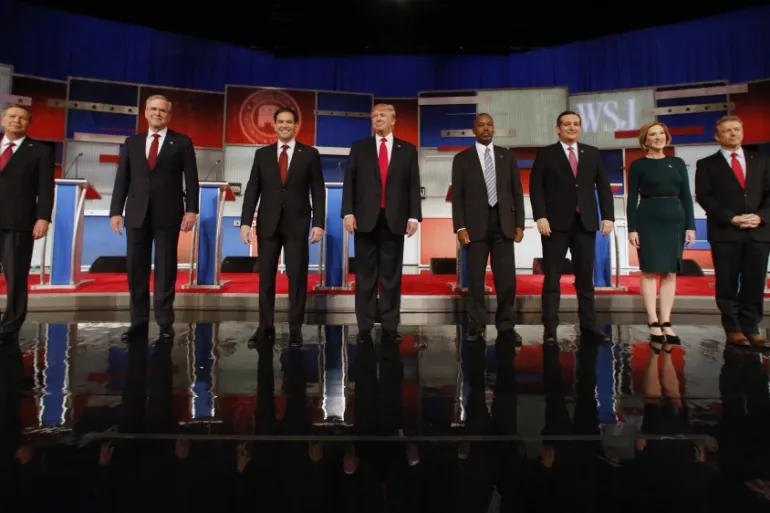
As political campaigns continue to evolve, it becomes increasingly important for consumers and voters to recognize the marketing strategies being used around them. Understanding these techniques can help individuals make more informed decisions and become more critical consumers of politics.
Discussion Questions:
- Do you think political candidates should be marketed like consumer brands? Why or why not?
- How has social media changed the way political campaigns reach younger voters?
- What are some advantages and disadvantages of tailoring political messages to different voter groups?
By Isabella Otero

