
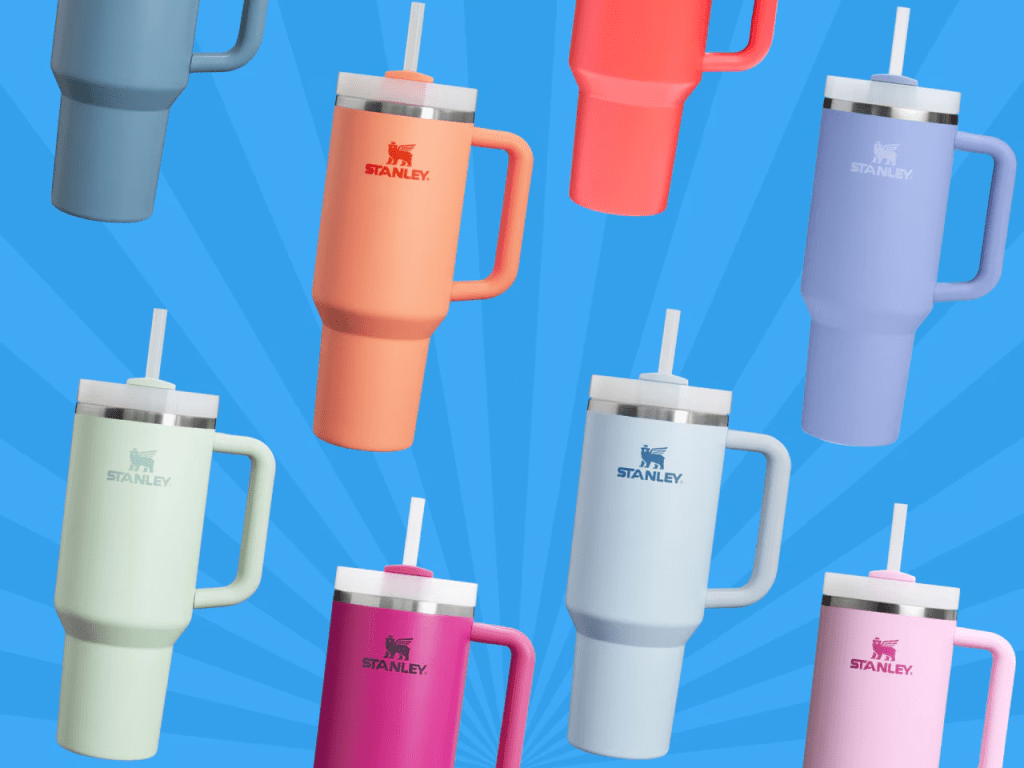
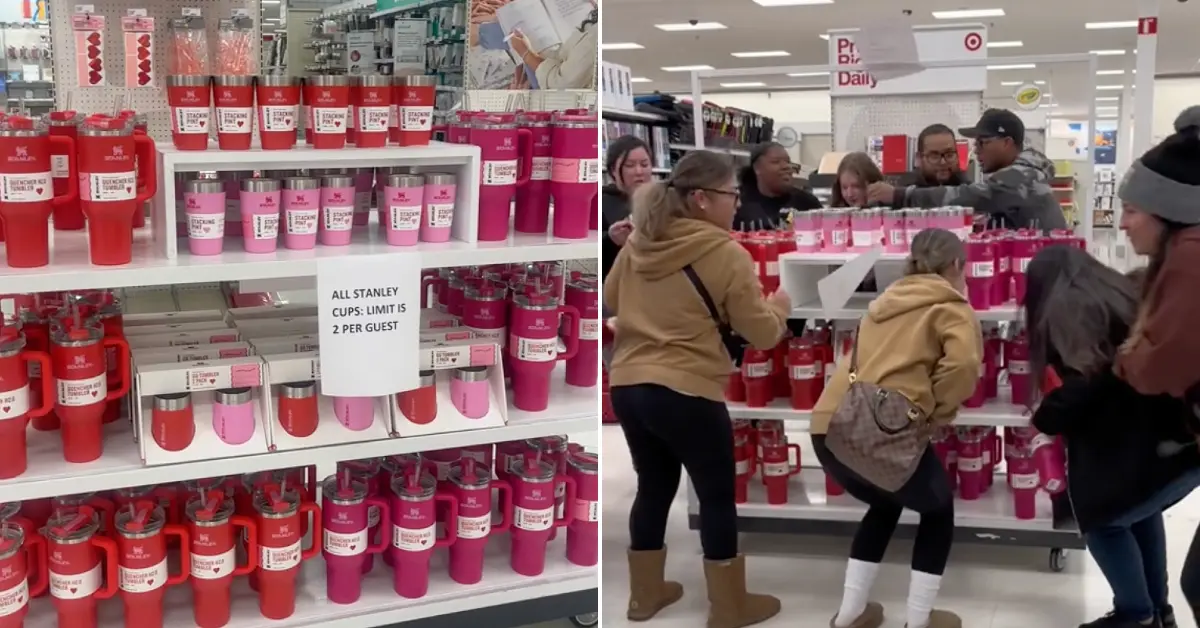
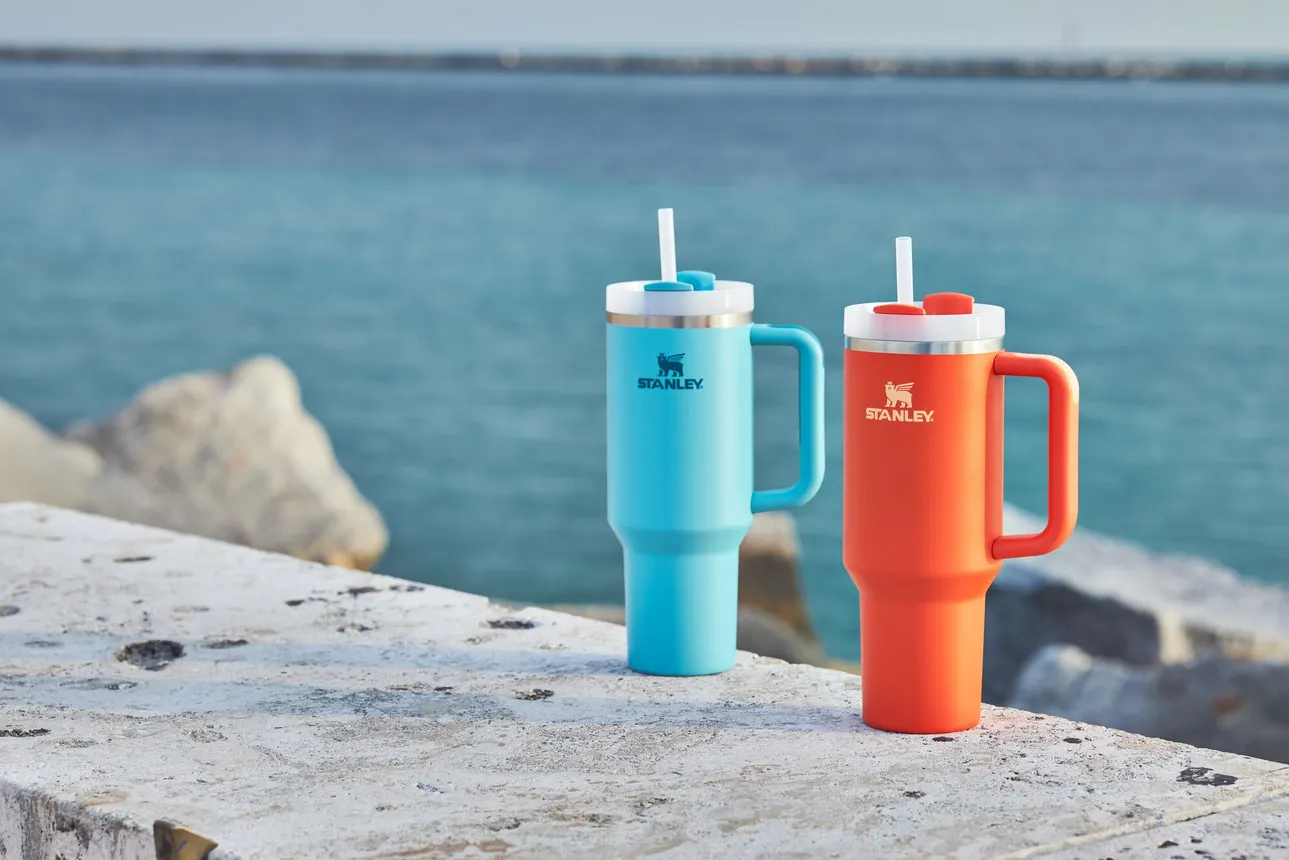
The Stanley Cup is just a cup. It keeps your water cold, it has a handle, and it comes in different colors. By every rational measure, it is an unremarkable object that does a completely ordinary job. So why were people lining up outside Target at 5am for one [1]? Why did resellers flip them for $200 on eBay [2]? Why did a car fire go viral because a Stanley survived it, and why did Stanley’s CEO personally send the owner a new car [3]? These ideas exactly are the Stanley Cup effect.
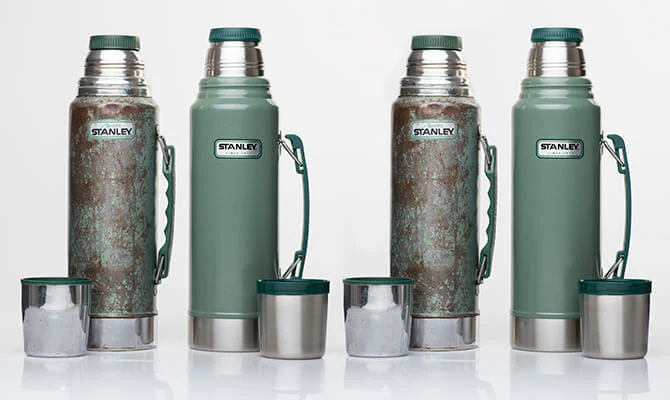
A 110-Year-Old Brand Nobody Cared About
Stanley has been around since 1913 [4]. For most of its lifetime, it was a perfectly respectable brand, popular with construction workers, hunters, and outdoorsy dads who wanted a thermos that could survive a job site. Something reliable, durable, and completely practical. By 2019, Stanley’s Quencher tumbler had actually been discontinued because sales were flattening out [4]. The brand was relying on legacy and hoping for the best. However, then the internet found it.

The Accidental Relaunch
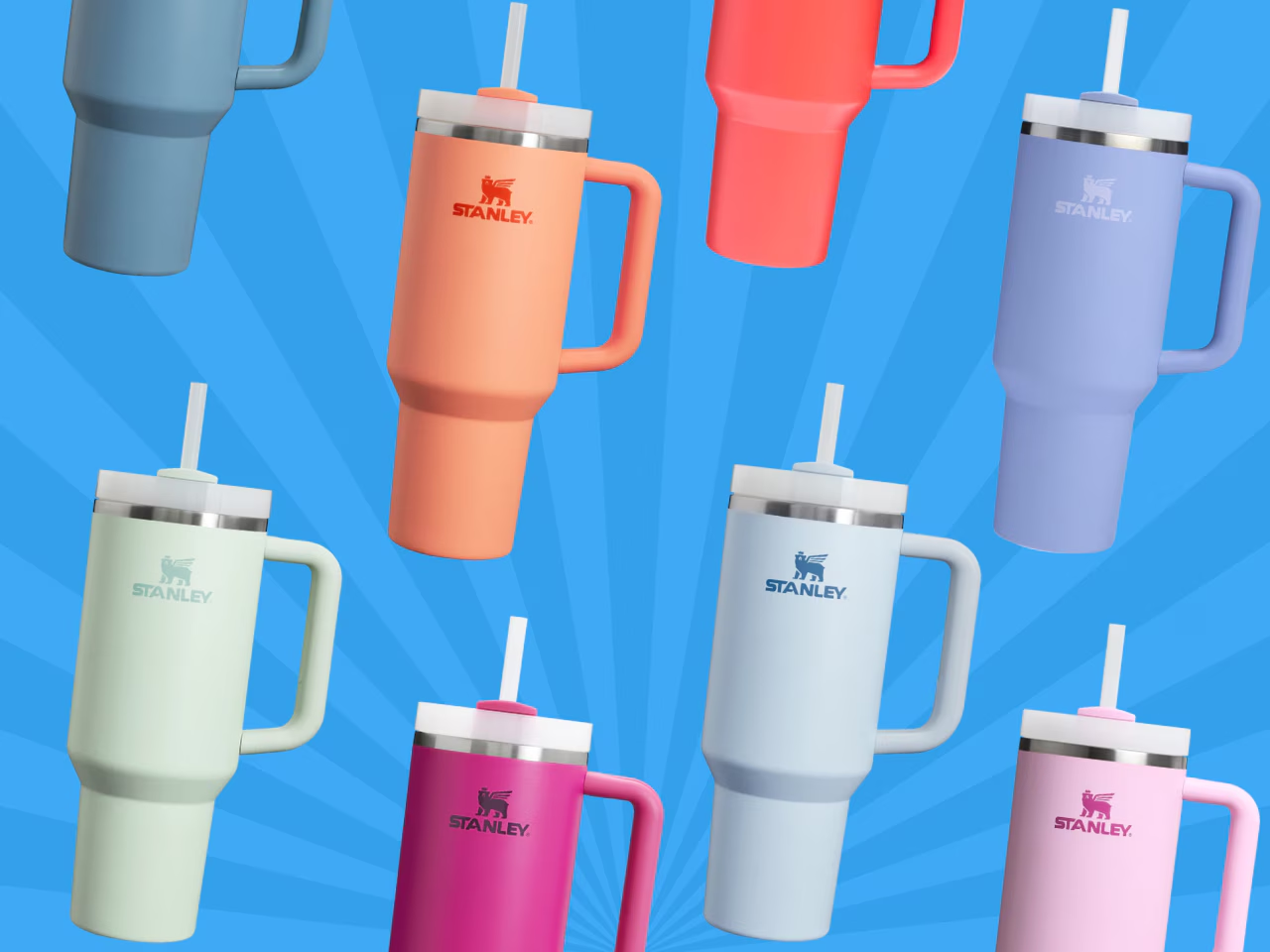
It didn’t start with a big campaign or a celebrity endorsement. It started with a small affiliate shopping blog called The Buy Guide, run by three women who had built a loyal following of deal-hungry shoppers [5]. They discovered the Quencher, loved it, and wrote about it. Their audience bought out the stock almost immediately after that. Stanley noticed this. Instead of treating it as a lucky break, they did something smart: they leaned in. They brought the Quencher back, restocked it specifically for that audience, and started building a relationship with the community that had discovered them. From there, TikTok took over. The “Stanley cup” became a set piece in every “what’s in my bag” videos, morning routine content, and aesthetic desk setups. The pastel colors, the satisfying clink of ice, and the way it fit perfectly in a car cupholder were all reasons why it became a staple in every household. It was made for social media without ever being designed for it.
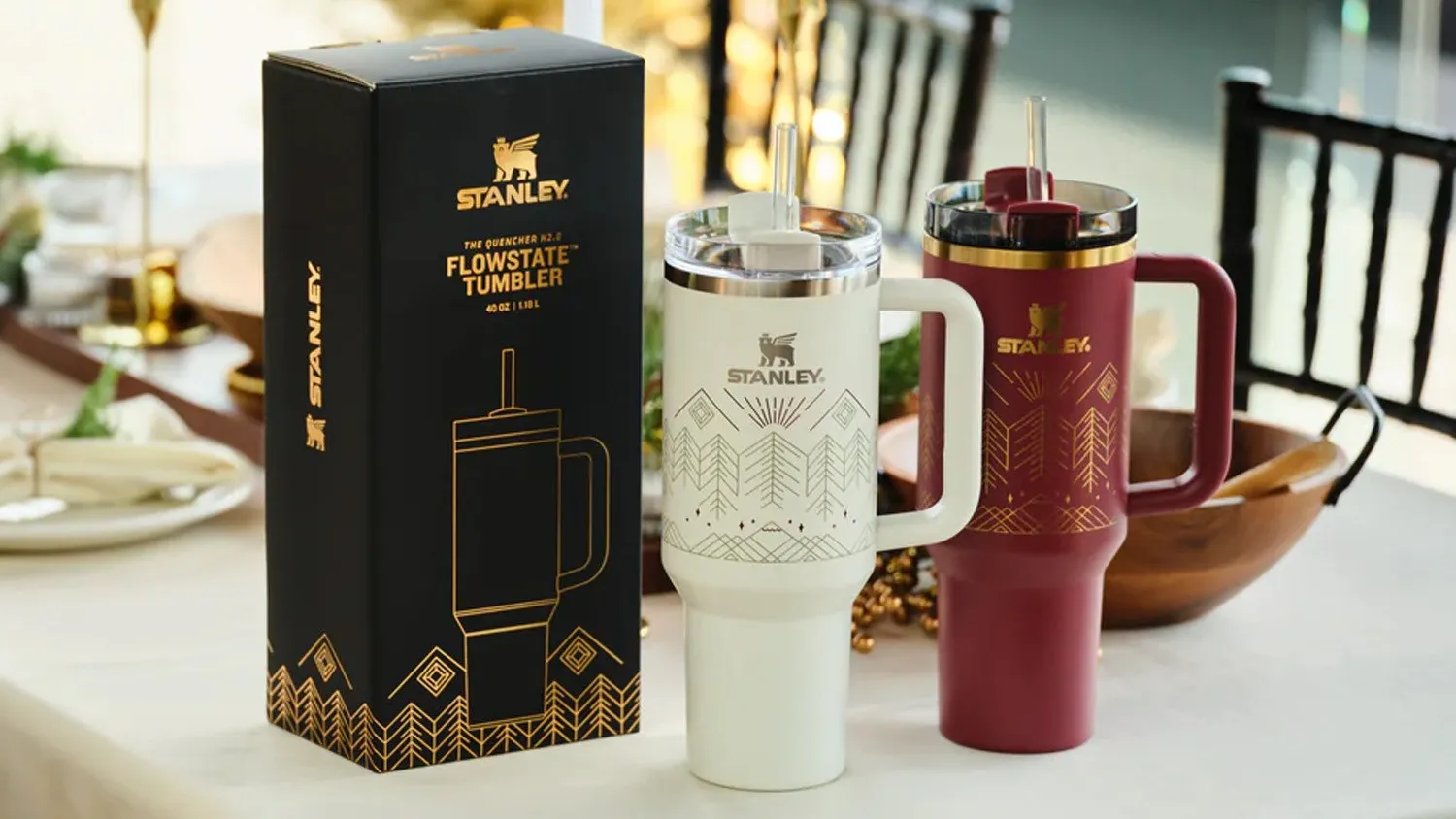
Scarcity as a Strategy
Once demand was high, Stanley did something counterintuitive, they made the product harder to get. This included limited edition color drops, target-exclusive shades, and collaborations with Starbucks that sold out within minutes. Sudden restocks were announced with little warning. They used every scarcity mechanic in the playbook, and they deployed them perfectly. The result was that buying a Stanley stopped being a purchase and started being a chase. People weren’t just buying a water bottle, they were hunting one now. The hunt itself became content. People posting things like unboxing videos, “I finally got the color I wanted” posts, and haul videos featuring three different Stanleys in three different sizes. Scarcity created urgency. Urgency created content. Content created more demand. The loop was endless!
When the Hype Faded
By late 2024 and into 2025, the hype broke. The Stanley cup became a punchline. Oversaturation set in because when everyone has one, it stops being a signal of anything. The level of widespread the cups had become were the same idea that proved the brand’s success also diluted its cool factor. Sales lightened up and the cultural conversation moved on to the next collectible object. Stanley was left with the classic post-hype challenge: how do you hold onto the customers you gained without the mania that brought them? It’s a problem Crocs solved (by leaning into irony and collabs) [6]. It’s one that Ugg navigated (by quietly becoming a year-round lifestyle brand) [7]. It’s one Stanley is still working through.
Can Any Brand Engineer This?
You can apply the mechanics: community seeding, scarcity drops, social-first design, identity-based positioning. Stanley’s rise wasn’t purely accidental because there were smart decisions made at every stage to amplify what was happening organically. However, you can’t manufacture the spark. The Buy Guide finding the Quencher and genuinely loving it was luck. TikTok’s algorithm deciding that pastel tumblers were the moment was luck. The specific cultural conditions of 2022-2023 were luck too. What Stanley did brilliantly was recognize the spark when it appeared and throw fuel on it fast. Most brands either miss the moment entirely or move too slowly.
The Takeaway
The Stanley Cup story is really a story about community, timing, and identity, three things no ad budget can fully replace. It’s a reminder that the most powerful marketing often starts not with a campaign, but with a real person genuinely loving your product and telling someone about it. Your job as a marketer is to make sure that when that happens, you’re ready to listen, ready to move, and ready to give that person more reasons to keep talking. The cup was never really the point, it was always about what carrying it said about you.
By Isabella Otero
Discussion Questions:
- Stanley’s revival started with a small affiliate blog, not a big campaign. How much do you think brands should invest in building relationships with micro-communities and niche creators, even before there’s obvious ROI?
- Scarcity drove a huge part of Stanley’s hype, but it also risks frustrating customers who can’t get the product. Where’s the line between smart scarcity and alienating your audience?
- The Quencher became an identity accessory rather than just a functional product. Can you think of another everyday product that made the same shift? What triggered it?
Sources:
[1] https://www.npr.org/2024/01/09/1223491078/stanley-tumbler-craze-target-starbucks
[3]https://abc7.com/post/stanley-cup-fire-tumblers-viral-tiktok-videos/14082972/
[4]https://www.newyorker.com/culture/infinite-scroll/how-the-stanley-cup-went-viral
[5]https://thebuyguide.com/home/the-story-of-the-cup/
[6]https://marketingmadeclear.com/crocs-how-an-ugly-shoe-became-a-marketing-masterclass/

