
Many retailers compete by offering the lowest prices or the widest selection of products. Costco does both, but its greatest strength may actually be its ability to create customer loyalty. Unlike most stores, Costco requires […]
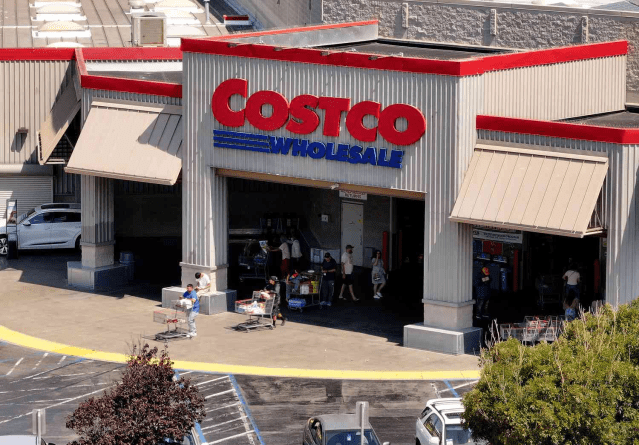
Many retailers compete by offering the lowest prices or the widest selection of products. Costco does both, but its greatest strength may actually be its ability to create customer loyalty. Unlike most stores, Costco requires […]
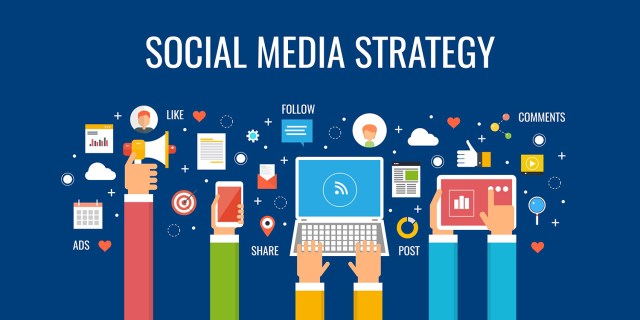
There was a time when brands spoke in one voice. Somewhere along the way, brands stopped sounding like companies and started sounding like people with Wi-Fi and opinions. Everything was once approved by seven layers […]
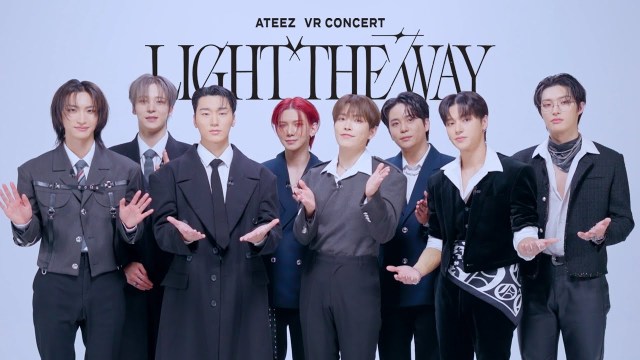
The global rise of K-pop has reshaped the music industry into an experience-driven marketplace where success relies not only on music production but also on innovative fan engagement strategies. Groups like ATEEZ have built strong […]

Entertainment as a Global Marketing Strategy Modern marketing management focuses on value creation through integrated systems instead of isolated transactions. A strong example of global marketing is the recent Stray Kids world tour, DominATE, and […]

Marketing campaigns often tap into human emotions to influence decision-making. Two of the most powerful emotions marketers leverage are fear and hope. Fear-based marketing warns consumers about risks and negative consequences, while hope-based marketing inspires them with possibilities and positive outcomes. Both strategies can be effective, but the key is knowing when, where, and how to use them [1].

In the ever-evolving world of marketing, understanding the intricacies of consumer psychology is akin to finding a hidden treasure map. Brands that tap into the psychological triggers of their audience can create not only one-time buyers but lifelong brand advocates. Let’s explore how some leading companies masterfully leverage consumer psychology to build unshakeable brand loyalty [1].

In an age inundated with information and constant noise, the ability to cut through the clutter is more essential than ever for brands. One of the most powerful tools at a marketer’s disposal is storytelling. Effective storytelling not only captures attention but also forges deep emotional connections between brands and consumers. As competition increases and consumer preferences shift, understanding how to leverage storytelling effectively can significantly enhance a brand’s marketing strategy [1].

With the COVID-19 pandemic preventing opportunities for travel, the travel and tourism industry has seen the rapid emergence and growth of several travel trends as people can now follow-through on their vacation dreams and book trips. These trends include traveling to see a concert, making more sustainable vacation choices, and looking for unique, once in a lifetime trips as opposed to more common and mainstream tourist destinations. This last trend has led to an increase in “surprise travel”.
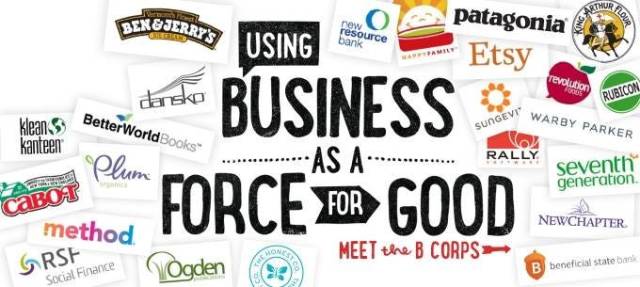
In today’s business environment, there has been an increase in the number of businesses who have become Certified B-Corporations, or B-Corps. In order for a B-Corp to be successful in fulfilling its specific social and environmental missions, they must also be successful in turning a profit. And in order to attract investors, customers, and other important partners, a B-Corp must have a strong marketing team to convey what differentiates their business from other for-profit competitors.

