
Many retailers compete by offering the lowest prices or the widest selection of products. Costco does both, but its greatest strength may actually be its ability to create customer loyalty. Unlike most stores, Costco requires […]
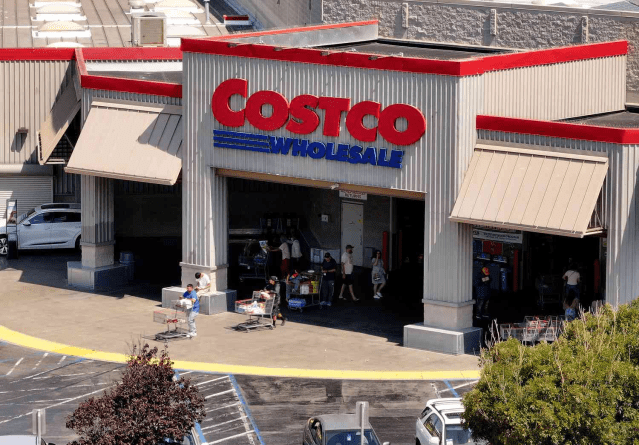
Many retailers compete by offering the lowest prices or the widest selection of products. Costco does both, but its greatest strength may actually be its ability to create customer loyalty. Unlike most stores, Costco requires […]
International trade policy issues, tariffs, and changes in consumer behavior have presented challenges to trade for U.S. businesses in the last few years. Many firms are analyzing supply chain alternatives and attempting to bring production closer to home in order to mitigate tariff obstacles, promote brand loyalty, and consider the increasing desire for American goods. However, branding “Made in America” has its pros and cons and requires effective strategy and communication. [1].

n the ever-evolving world of streaming, competition among platforms like Disney+, Netflix, Amazon Prime, and HBO Max is fierce. With subscription fatigue setting in, fluctuating content libraries, and price increases becoming a norm, streaming giants are grappling with the same challenge that many businesses face: retaining their existing customers while continuing to grow. The strategies they employ offer valuable lessons for marketers across industries. Here are key takeaways from the streaming wars and how they can be applied to your marketing strategy [1].

With the COVID-19 pandemic preventing opportunities for travel, the travel and tourism industry has seen the rapid emergence and growth of several travel trends as people can now follow-through on their vacation dreams and book trips. These trends include traveling to see a concert, making more sustainable vacation choices, and looking for unique, once in a lifetime trips as opposed to more common and mainstream tourist destinations. This last trend has led to an increase in “surprise travel”.

