
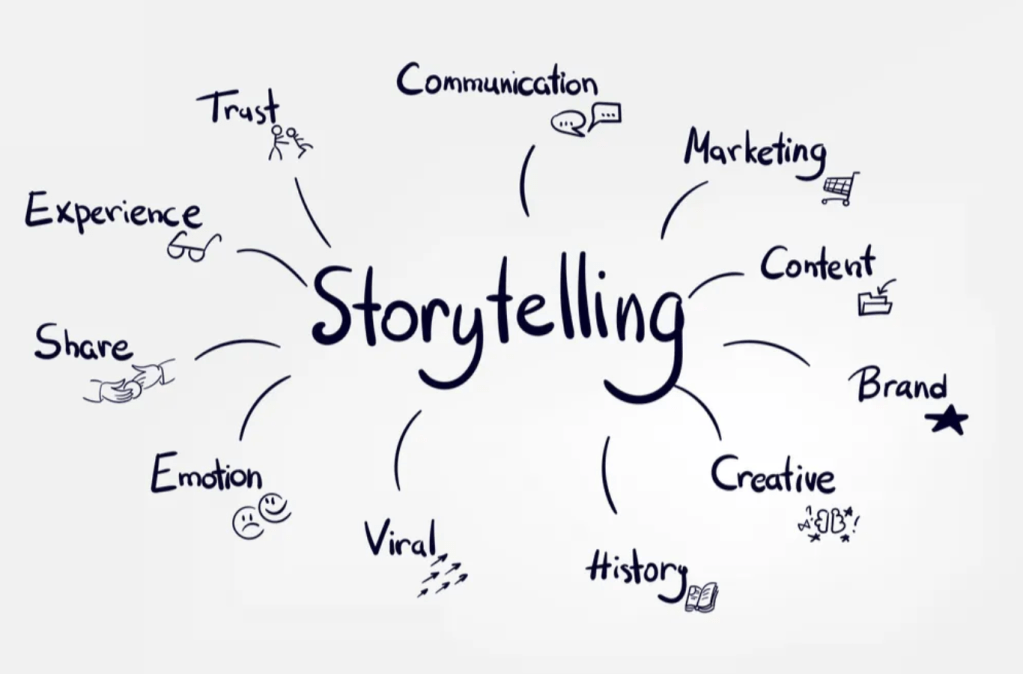
In an age inundated with information and constant noise, the ability to cut through the clutter is more essential than ever for brands. One of the most powerful tools at a marketer’s disposal is storytelling. Effective storytelling not only captures attention but also forges deep emotional connections between brands and consumers. As competition increases and consumer preferences shift, understanding how to leverage storytelling effectively can significantly enhance a brand’s marketing strategy [1].
Why Storytelling Matters

Image 2
Humans are wired for stories. From ancient times, narratives have served as a means to convey experiences, share knowledge, and forge community ties. When applied to marketing, storytelling serves several key purposes [2]:
- Emotional Engagement: Stories evoke emotions that resonate with consumers. Whether it’s joy, sadness, or nostalgia, an emotionally charged narrative can lead to stronger brand affinity and loyalty. For instance, advertisements that feature heartfelt moments or highlight personal challenges can resonate deeply with audiences, prompting them to feel a connection to the brand [3].
- Memorability: Information presented in story form is easier to remember. This is crucial in a world where consumers are bombarded with countless messages daily. A well-told story lingers in the mind long after the initial encounter. Think about the jingles or catchphrases from memorable advertisements; they often derive from a narrative that hooks the audience’s attention [2].
- Differentiation: In crowded markets, storytelling offers a unique way to differentiate a brand. A compelling story can highlight a brand’s values, mission, and personality, setting it apart from competitors [2]. Consider how brands like Apple and Nike have utilized storytelling to create distinct identities that resonate with their audiences.
- Authenticity: Consumers today are increasingly looking for authenticity in the brands they support. A genuine story that reflects a brand’s values and mission can build trust and credibility. Authenticity is not just a buzzword; it’s a necessity in building long-lasting relationships with consumers who are becoming more discerning in their choices [3].
Elements of Effective Storytelling

Image 3
To create impactful marketing stories, brands should consider the following elements:
- Relatable Characters: The characters in your story should reflect the target audience’s values and experiences. Whether it’s a brand ambassador, a customer, or even the brand itself personified, relatable characters help consumers see themselves in the narrative [4]. For example, Dove’s “Real Beauty” campaign showcased real women, which resonated with many consumers and fostered a deeper connection [5].
- Conflict and Resolution: Every great story has a conflict that needs resolution. In marketing, this could be a problem the brand addresses or a challenge faced by a customer. Highlighting this struggle makes the story more engaging and relatable. For instance, the story of a young athlete overcoming adversity to achieve their dreams can powerfully illustrate the impact of a brand’s support [4].
- Authenticity and Transparency: Modern consumers appreciate transparency. Authentic storytelling involves being honest about the brand’s journey, including successes and failures. This honesty fosters trust and connection. Brands that openly discuss their challenges and the lessons learned often resonate more with consumers who value authenticity [6].
- A Clear Message: Every story should have a central message that aligns with the brand’s values. This message should be clear and compelling, guiding the audience toward a specific takeaway. A strong message not only enhances the storytelling but also reinforces the brand’s purpose [4].
The Role of Technology in Storytelling
The rise of digital marketing has transformed how stories are told and shared. With the advent of social media, video content, and interactive platforms, brands have new avenues to engage their audiences in storytelling [7].
- Social Media: Platforms like Instagram, Twitter, and Facebook allow brands to share snippets of their stories, making it easier to connect with consumers in real time. Storytelling on social media can be concise and visually engaging, utilizing images, videos, and captions to communicate the brand’s narrative effectively [8].
- Video Marketing: Video content is one of the most effective storytelling mediums. Whether through commercials, mini-documentaries, or user-generated content, videos can convey emotions and narratives in a compelling way [8]. Brands like Nike and Coca-Cola have successfully used short films and ads to create emotional stories that resonate with their audiences.
- Interactive Content: Interactive storytelling, such as polls, quizzes, and immersive experiences, allows consumers to engage with the narrative actively. This level of engagement not only enhances the storytelling experience but also fosters a deeper connection with the brand [7].
- User-Generated Content: Encouraging customers to share their stories related to the brand can create a sense of community and belonging. Brands that feature user-generated content, such as testimonials or personal experiences, can effectively tap into the power of storytelling while also showcasing their customers [7].
Successful Examples of Storytelling in Marketing

Image 4
To illustrate the effectiveness of storytelling in marketing, let’s take a closer look at a few successful examples:
- Nike: Nike’s “Just Do It” campaign is a prime example of effective storytelling. The brand shares the stories of athletes from diverse backgrounds, highlighting their struggles and triumphs. This narrative not only motivates consumers but also fosters a sense of community. Nike’s storytelling goes beyond promoting products; it positions the brand as a supporter of athletes and their journeys.
- Coca-Cola: Coca-Cola’s “Share a Coke” campaign personalized the brand by featuring individual names on bottles. The story encouraged consumers to share a Coke with friends and family, transforming a simple beverage into a personal experience. This approach not only increased sales but also reinforced the idea of connection and sharing [10].
- Airbnb: Airbnb tells the stories of hosts and travelers alike. By showcasing personal experiences and unique accommodations, the brand highlights the idea of belonging and community, making it more than just a lodging platform. Airbnb’s commitment to storytelling has helped it carve a niche in the travel industry by emphasizing authentic experiences [11].
Crafting Your Brand’s Story

Image 5
To harness the power of storytelling in your marketing strategy, follow these steps [12]:
- Identify Your Core Message: What do you want your audience to take away from your story? Define your brand’s mission and values. This foundational message will guide your storytelling efforts.
- Know Your Audience: Understanding your audience is crucial for crafting a relatable story. What challenges do they face? What values do they hold dear? Conducting market research can provide valuable insights into your audience’s preferences and motivations.
- Develop a Narrative Structure: Outline your story with a clear beginning, middle, and end. Introduce the characters, present the conflict, and highlight the resolution. A well-structured narrative keeps the audience engaged and leads them to the intended message.
- Utilize Multiple Channels: Share your story across various platforms—social media, blogs, videos, and email. Tailor your narrative to fit each channel while maintaining a consistent core message. Consistency in storytelling builds brand recognition and trust.
- Invite Audience Participation: Encourage your audience to share their own stories related to your brand. This not only enriches your narrative but also fosters community engagement. User-generated content can be a powerful tool in reinforcing your brand story.
COnclusion

Image 6
Incorporating storytelling into your marketing strategy is no longer a choice; it’s a necessity. In a world where consumers seek connection and authenticity, a well-crafted story can be the bridge that brings brands and consumers together. By harnessing the power of narrative, marketers can create memorable experiences that resonate long after the story is told.
As you embark on your journey to integrate storytelling into your marketing efforts, remember that every brand has a story waiting to be told. The question is, how will you share yours? Storytelling isn’t just about promoting products; it’s about creating connections, fostering loyalty, and building a brand that resonates with consumers on a deeper level. In the end, it’s the stories we tell that shape the way we connect with the world around us.
Questions Marketing Managers Might Ask:
- How do you describe your personal brand? Use 5 words to describe yourself.
- What companies have used effective storytelling in their brand strategy that resonates with you? Why does it have an effect on your purchasing/engagement with their brand?
Sources:
[1] https://www.ama.org/2022/02/08/story-marketing-why-it-matters-and-a-step-by-step-guide/
[2] https://www.productmarketingalliance.com/the-what-why-and-how-of-storytelling/
[3] https://koreascience.kr/article/JAKO201806352375439.pdf
[4] https://education.nationalgeographic.org/resource/elements-storytelling/
[5] https://www.dove.com/us/en/stories/campaigns.html
[7] https://www.electrosonic.com/blog/how-technology-plays-a-role-in-telling-your-story
[8] https://sproutsocial.com/insights/brand-storytelling/
[9] https://worldbrandaffairs.com/how-nikes-just-do-it-campaign-became-a-global-phenomenon/
[10] https://www.historyoasis.com/post/share-a-coke
[11] https://www.nxtbookmedia.com/blog/airbnb-brand-storytelling/
[12] https://blog.hubspot.com/marketing/brand-story
Image Sources:
[1] https://www.triplewhale.com/blog/brand-storytelling
[3] https://www.twinkl.co.th/teaching-wiki/character
[4] https://krows-digital.com/nikes-just-do-it-campaign-a-masterclass-in-marketing-excellence/
[5] https://www.linkedin.com/pulse/ad-genius-story-behind-share-coke-campaign-doug-kennedy-aoile/
[6] https://medium.com/future-sensor/case-study-airbnb-7f4e2a66184c
 Marketing Management