
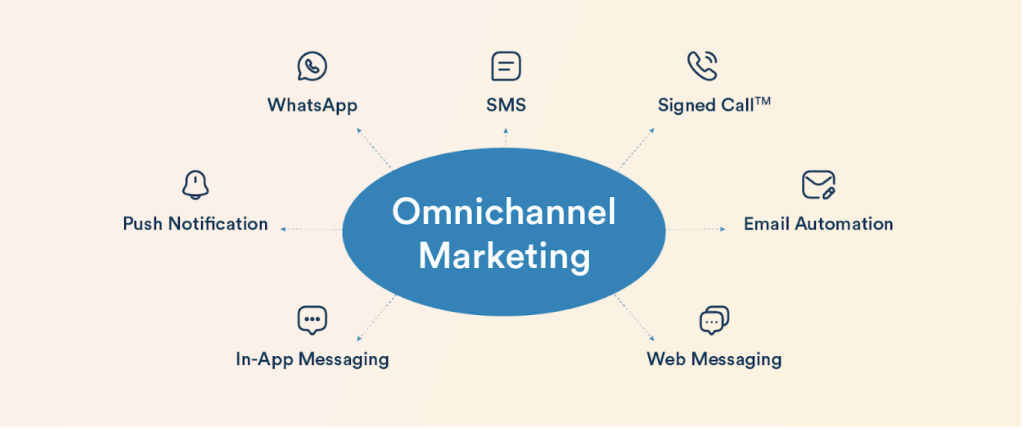
In today’s fast-paced, digital-first world, consumers are no longer tied to a single shopping channel. They might browse on their smartphone, research on their laptop, and make a final purchase in a physical store — or vice versa. This fluid journey between online and offline touchpoints creates both opportunities and challenges for brands.
The solution? Omnichannel marketing.
Omnichannel marketing isn’t just a buzzword; it’s a critical strategy that ensures every customer interaction — whether online or offline — feels cohesive and connected. Brands that master omnichannel marketing can boost customer satisfaction, increase sales, and foster brand loyalty. Let’s explore what omnichannel marketing is, why it’s essential, and how leading businesses are getting it right [1].
What is Omnichannel Marketing?

Image 2
Omnichannel marketing refers to creating a seamless and consistent customer experience across all platforms and channels, including [1]:
- Websites
- Mobile apps
- Social media
- Physical stores
- Customer support lines
Unlike multichannel marketing, where each channel operates independently, omnichannel marketing integrates these channels. The goal is for customers to feel like they’re interacting with one unified brand, no matter where or how they engage [2].

Image 3
For example, imagine a customer adds a pair of shoes to their cart on your website but doesn’t complete the purchase. A few hours later, they receive a reminder email with an incentive to buy. When they decide to visit your store to try on the shoes, a sales associate knows exactly what they were looking for, thanks to an integrated customer database. That’s omnichannel marketing in action [2].
Why Omnichannel Marketing Matters

Image 4
Omnichannel marketing isn’t just a nice-to-have; it’s essential for meeting modern customer expectations. Here’s why it matters:
- Customer Behavior Has Evolved
According to a Google study, 90% of consumers switch between devices during their buying process. They expect brands to keep up with their habits, offering a consistent experience regardless of the platform [3]. - Boosts Customer Loyalty
A seamless experience builds trust. When customers know they can transition between online and offline effortlessly, they’re more likely to stay loyal. According to Salesforce, 70% of customers say connected experiences influence their loyalty to a brand [4]. - Increases Revenue
Research from the Harvard Business Review shows that customers who use multiple channels spend an average of 10% more online and 4% more in-store compared to those who use a single channel [5]. - Enhanced Data Insights
Integrating data across channels provides a 360-degree view of your customer’s journey. This insight helps refine marketing strategies, personalize experiences, and anticipate customer needs.
Steps to Seamlessly Integrate Online and Offline Experiences
Here are actionable strategies to create a successful omnichannel experience:
1. Ensure Consistent Branding and Messaging

Image 5
Your brand’s visuals, voice, and tone should be consistent across all channels. Whether a customer sees your social media ad, visits your website, or walks into your store, they should immediately recognize your brand [6].
Example: Apple maintains a minimalist, sleek aesthetic across its website, mobile app, and physical stores. This consistency reinforces its brand identity [7].
2. Create Unified Customer Data

Image 6
Use a Customer Relationship Management (CRM) system to integrate customer data from all channels. When your sales associates or customer support agents can access purchase history and preferences, they can provide a more personalized experience [8].
Example: Disney’s My Disney Experience app syncs with park visits. Guests can book rides, make dining reservations, and check wait times, creating a seamless online-to-park experience [9].
3. Implement Click-and-Collect Services

Image 7
Services like Buy Online, Pick Up In-Store (BOPIS) bridge the gap between digital and physical channels. It offers convenience while increasing foot traffic to physical locations [10].
Example: Target’s BOPIS service allows customers to order online and pick up items curbside or in-store within hours. This convenience enhances the shopping experience and drives additional in-store purchases [11].
4. Leverage Mobile Apps for Personalized Experiences

Image 8
Mobile apps can integrate with physical stores to enhance the experience. Features like real-time inventory checks, loyalty rewards, and personalized recommendations add value for customers.
Example: Starbucks’ app allows customers to order ahead, pay via mobile, and collect rewards. When they visit a store, baristas can prepare orders in advance, reducing wait times and boosting customer satisfaction [12].
5. Integrate Digital Tools In-Store

Image 9
Bring the digital experience into physical locations with tools like digital kiosks, QR codes, and augmented reality (AR). These tools make in-store shopping more interactive and personalized.
Example: Nike’s flagship stores offer interactive screens and the ability to scan products for more information. Their app also allows in-store customers to request different sizes or colors, blurring the line between digital and physical [13].
6. Personalized Marketing Across Channels

Image 10
Use customer data to personalize messaging across all channels. Whether it’s a reminder about an abandoned cart, a special offer, or a thank-you email after an in-store purchase, personalization builds stronger relationships.
Example: Sephora integrates their Beauty Insider loyalty program across all channels. Customers receive personalized product recommendations, exclusive offers, and reminders about items they browsed online [14].
7. Collect and Analyze Data for Continuous Improvement

Image 11
Track customer behavior across platforms and channels to identify friction points and opportunities. Regularly collect feedback and use data analytics to refine your approach.
Example: Best Buy uses data to track how customers research products online before buying in-store. This insight helps them optimize their website, mobile app, and in-store experience [15].
Brands Leading the Omnichannel Revolution
1. Amazon
Amazon has successfully integrated its online presence with physical stores through Amazon Go and Amazon Fresh. In these stores, customers can scan their app, shop, and walk out without checking out, thanks to their “Just Walk Out” technology. This frictionless experience seamlessly blends digital and physical [16].
2. Walmart
Walmart offers a comprehensive omnichannel experience, including BOPIS, home delivery, and an app that enhances the in-store experience with features like in-store navigation and barcode scanning for product details. Their investments in digital innovation make shopping seamless across platforms [17].
3. Nordstrom
Nordstrom’s “Reserve Online & Try In-Store” service allows customers to browse online, reserve items, and try them in-store. Sales associates prepare fitting rooms in advance, and customers can receive personalized assistance based on their online activity [18].
4. Home Depot
Home Depot has mastered omnichannel by offering BOPIS, in-store pickup lockers, and a mobile app that provides in-store navigation and inventory checks. Their strategy ensures DIY customers get what they need, when and how they need it [19].
FINAL THOUGHTS
In a world where customers expect frictionless transitions between digital and physical experiences, omnichannel marketing is a necessity, not a luxury. Brands that integrate their online and offline strategies create more personalized, efficient, and satisfying experiences.
By focusing on consistent branding, unified data, personalization, and seamless services, you can meet your customers where they are — and keep them coming back.
Questions marketing managers might consider
- How might smaller brands incorporate omnichannel marketing in their services?
- Can you think of a time when a brand made your online and offline interactions feel connected? What made that experience memorable?
Sources
[1] https://www.mckinsey.com/featured-insights/mckinsey-explainers/what-is-omnichannel-marketing
[2] https://www.marketingevolution.com/knowledge-center/topic/marketing-essentials/omnichannel
[5] https://hbr.org/2017/01/a-study-of-46000-shoppers-shows-that-omnichannel-retailing-works
[8] https://www.freshworks.com/crm/what-is-crm/
[11] https://www.target.com/c/pickup-delivery/-/N-551st
[12] https://archive.starbucks.com/record/going-mobile
[14] https://www.sephora.com/beauty/loyalty-program
[15] https://blog.contactpigeon.com/best-buy-marketing-strategies/
[16] https://www.aboutamazon.com/news/retail/amazon-just-walk-out-rfid-technology
[18] https://press.nordstrom.com/news-releases/news-release-details/nordstrom-expands-reserve-online-try-store-service-about-40/#:~:text=Reserve%20Online%20&%20Try%20In%20Store%20allows%20customers%20to%20select%20items,and%20personalized%20in%2Dstore%20experience.[19] https://corporate.homedepot.com/news/company/home-depot-named-omnichannel-retailer-year
Image sources
Image 1: https://clevertap.com/blog/omnichannel-marketing-guide/
Image 2: https://www.sender.net/blog/omnichannel-marketing/
Image 3: https://dribbble.com/shots/22166670-Online-Shoe-Store-Mobile-Website
Image 4: https://learn.g2.com/omnichannel-marketing
Image 7: https://whipperberry.com/target-store-pickup-changed-life/
Image 8: https://www.indigo9digital.com/blog/starbucksmobileapps
Image 10: https://www.social.plus/blog/the-magic-of-sephoras-community-led-path-to-success
 Marketing Management