
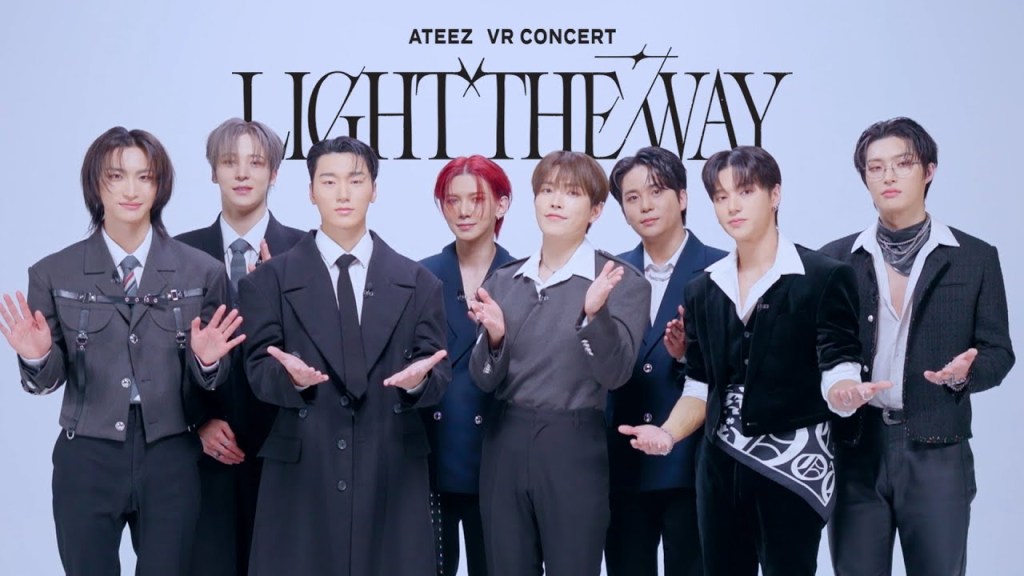
The global rise of K-pop has reshaped the music industry into an experience-driven marketplace where success relies not only on music production but also on innovative fan engagement strategies. Groups like ATEEZ have built strong international fanbases through high-energy performances and consistent global tours. Meanwhile, the industry is beginning to explore immersive technologies like virtual reality (VR), signaling a shift in how concerts are delivered and experienced. VR concerts are more than just a technological trend; they represent a broader evolution in marketing, where artists go beyond physical events to create scalable digital experiences. Comparing VR concerts to traditional live shows, VR doesn’t replace the traditional concert but expands it, offering new ways for fans to connect while maintaining the emotional core of live music.
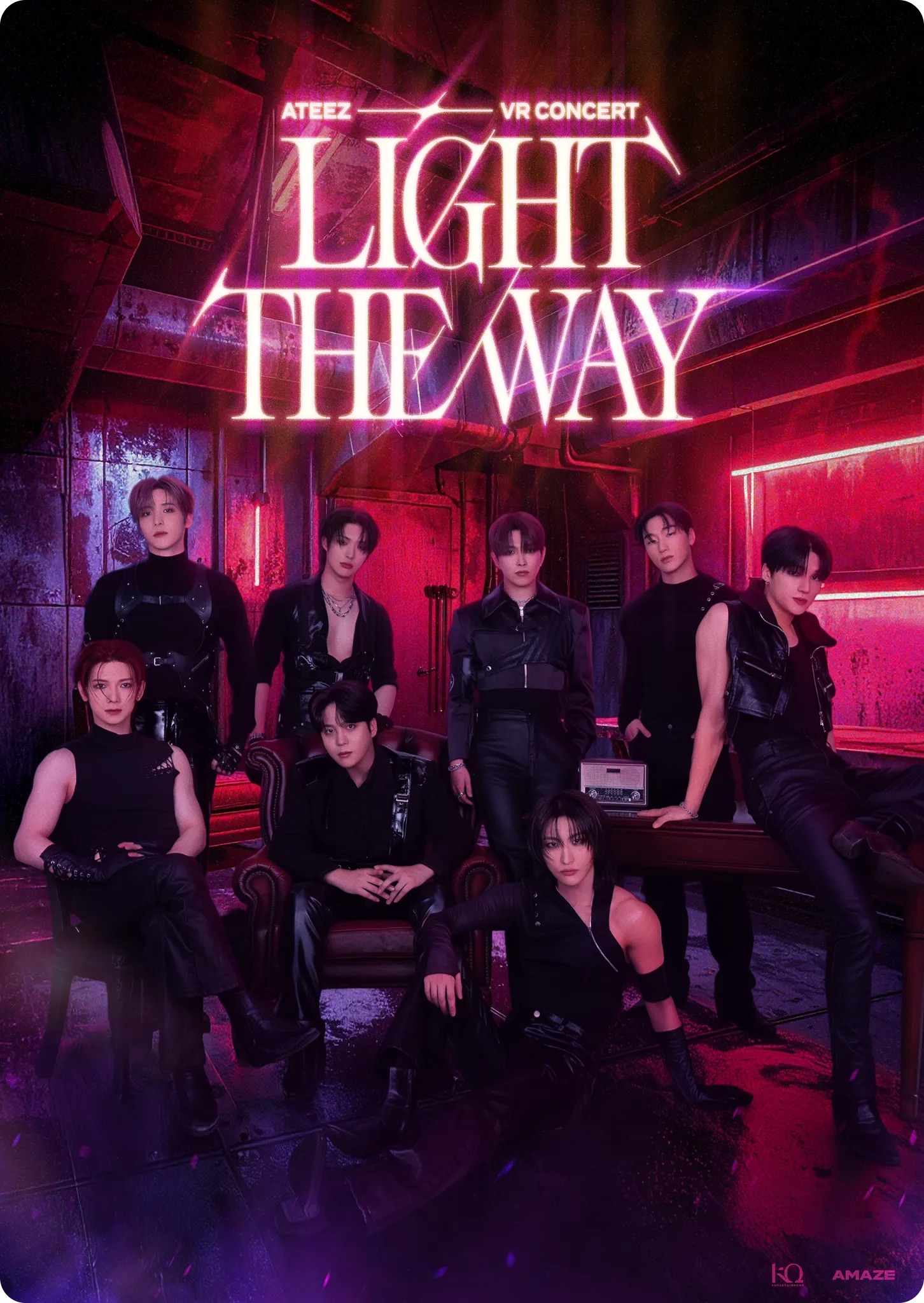
Concerts as a Service Experience
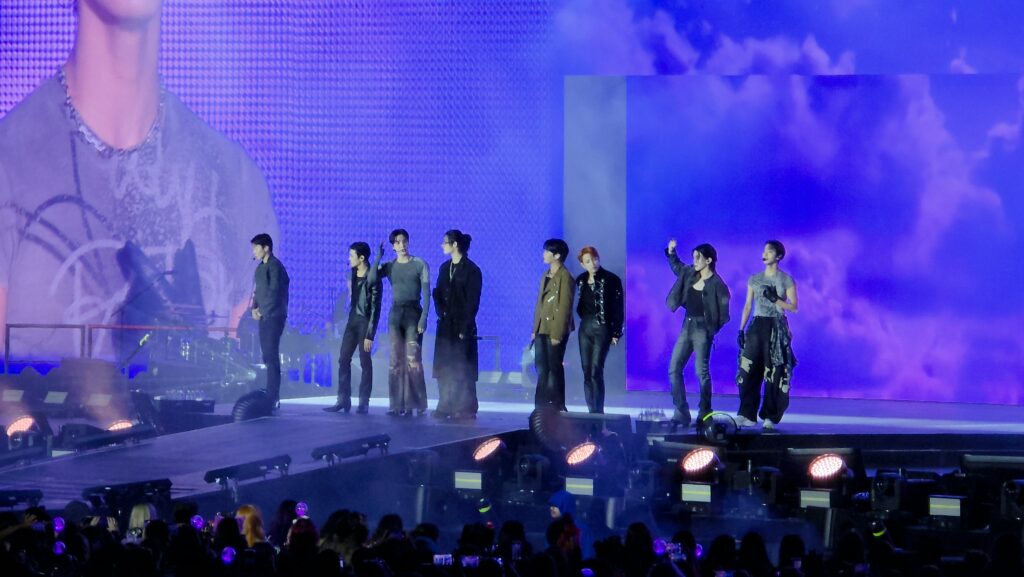
Concerts are fundamentally about experience. Their value comes from being in the moment: listening to live music, feeling the crowd’s energy, and sharing the moment with other fans. ATEEZ’s The Fellowship: Break the Wall tour exemplifies this. Their performances were described as high-energy, immersive, and emotionally intense, demonstrating how live concerts create powerful, shared experiences that deepen fan loyalty (Billboard, 2023). This highlights what makes traditional concerts so impactful: they are not just performances, but emotional events that foster strong connections between artists and fans.
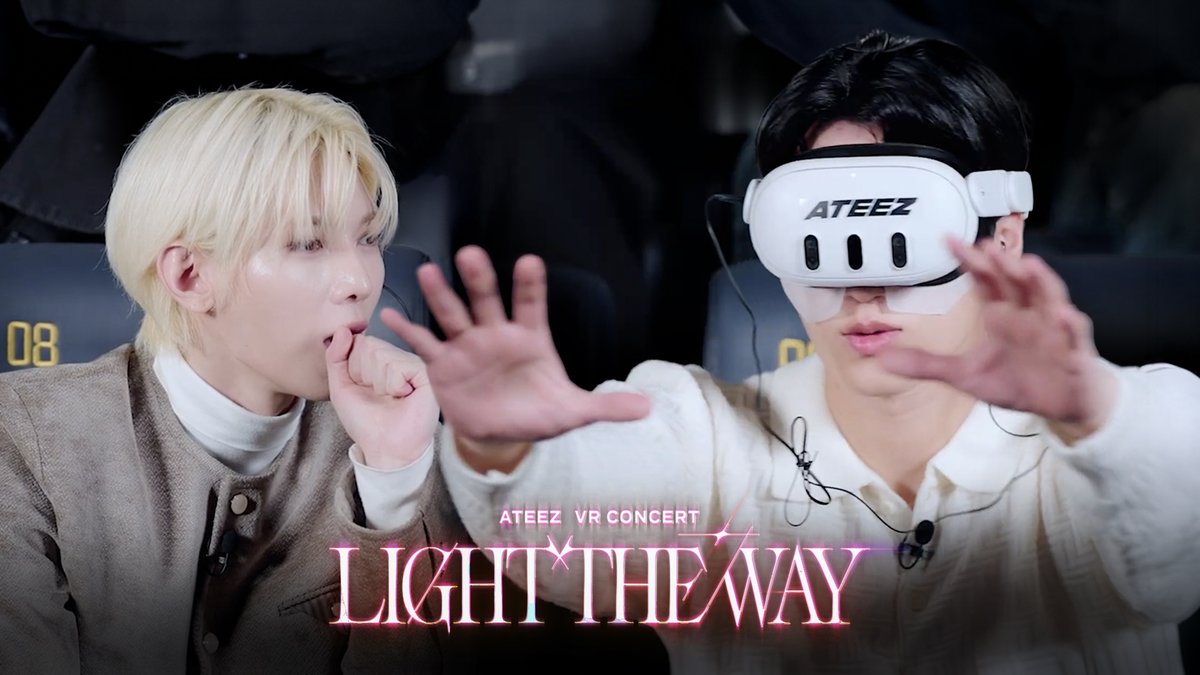
VR concerts share the same goal, to facilitate connection, and approach it differently. Instead of depending on physical presence, they use digital environments to recreate or improve the experience. ATEEZ’s VR tour, Light the Way, held in cinemas around the world, deeply impacted fans, especially those who couldn’t attend a live concert. Virtual concerts enable artists to reach worldwide audiences without the logistical issues of touring, making them more scalable and accessible. This shift transforms how the “service” is provided. Instead of being limited to one place and time, the experience becomes adaptable, repeatable, and available globally.
Traditional vs. VR Concerts: A Strategic Comparison
Traditional concerts and VR concerts create value in different ways. Traditional concerts offer unmatched physical immersion, allowing fans to experience live vocals, real-time interactions, and the collective energy of thousands gathered in one place. This fosters a sense of authenticity and emotional intensity that is difficult to replicate. ATEEZ’s tour success demonstrates how powerful this format is; fans are not just watching a performance, they are part of it (Billboard, 2023). However, these experiences have limitations, as not every fan can attend due to location, cost, or ticket availability. VR concerts address these issues by emphasizing accessibility; fans can attend from anywhere in the world, eliminating geographic barriers. Virtual concerts also introduce new elements, such as enhanced visuals, interactive features, and customizable viewing perspectives. These types of concerts have become a critical tool for reaching a global audience and keeping fans engaged beyond physical tours.
Another key difference is scalability. Traditional concerts are limited by venue size and logistics, while VR concerts can reach large audiences at lower additional costs. This makes VR a powerful tool for expanding reach without significantly increasing expenses. A clear example of this shift is seen in other K-pop acts experimenting with virtual experiences. Other popular K-pop groups, such as ENHYPEN and TXT, have also taken part in these VR concert tours. These events show how K-pop companies are actively investing in virtual formats to supplement traditional touring. In this way, VR concerts do not replace traditional ones; instead, they expand the overall experience. Traditional concerts deliver emotional intensity, while VR concerts provide accessibility and innovation.
Impact on Fandom and Customer Engagement
VR concerts are especially impactful for fandoms. K-pop fandoms are very active communities, and ATEEZ’s fandom, ATINY, is no different. Their worldwide growth has been driven not only by music but also by regular interactions and content that keeps fans engaged (Forbes, 2025). VR concerts enhance this engagement even more. By creating immersive environments, they enable fans to feel closer to the artists, even without being physically there. This boosts emotional connections and strengthens parasocial relationships, which play a key role in loyalty in K-pop.
They also generate more opportunities for interaction beyond the actual event. Fans share clips, reactions, and experiences on social media, turning a single concert into a continuous digital conversation. This type of user-generated content acts as organic promotion, expanding the event’s reach. Instead of being a one-time experience, the concert becomes part of a lasting relationship between the artist and the fans. This boosts the overall fan community and keeps high engagement between major releases or tours.
Strategic Implications for Marketing
From a marketing point of view, VR concerts demonstrate how artists can broaden their value offerings. By combining traditional concerts with virtual experiences, artists can connect with different segments of their audience. Some fans value the emotional intensity of live events, while others prioritize accessibility and convenience. Offering both options allows artists to boost engagement across a wider audience. VR concerts also create opportunities for data-driven strategies. Digital platforms enable companies to track how fans interact with content, which features they use, and how long they stay engaged. As Harvard Business Review notes, this type of data can be used to enhance customer experience and craft more personalized marketing strategies (Davenport et al., 2026). However, there are also challenges. Not all fans have access to VR technology, and an excess of virtual experiences could diminish the excitement of live concerts. Therefore, VR works best as a supplement rather than a replacement.
Conclusion
ATEEZ’s exploration of immersive concert experiences highlights a broader shift in the entertainment industry. Traditional concerts and VR concerts each provide different kinds of value, and together they deliver a more complete experience for fans. Instead of replacing live performances, VR enhances the concert experience by making it more accessible, scalable, and interactive. As technology keeps advancing, combining physical and digital experiences is likely to become a standard way for artists to connect with their audiences. For marketers, this emphasizes an important point: the future of engagement isn’t about choosing between physical and digital, but about blending both to create richer and more meaningful experiences.
Questions to Consider:
- Do VR concerts enhance or weaken the emotional connection between artists and fans compared to traditional live concerts?
- How can entertainment companies balance virtual and physical experiences without reducing the value of live performances?
- In what ways do VR concerts change the role of fans in the marketing process?
- Could VR concerts become a primary revenue stream in the future, or will they always remain a complement to traditional touring?
Sources
Billboard. (2023). ATEEZ: K-pop star profile. https://www.billboard.com/music/pop/ateez-kpop-star-profile-1235309883/
Benjamin, J. (2025, March 29). ATEEZ’s European concerts set new records, dominate boxscores. Forbes. https://www.forbes.com/sites/jeffbenjamin/2025/03/29/ateezs-european-concerts-set-new-records-dominate-boxscores/
Davenport, T. H., Guha, A., Grewal, D., & Bressgott, T. (2026, February). AI is upending marketing on two fronts. Harvard Business Review. https://hbr.org/2026/02/ai-is-upending-marketing-on-two-fronts
 Marketing Management