
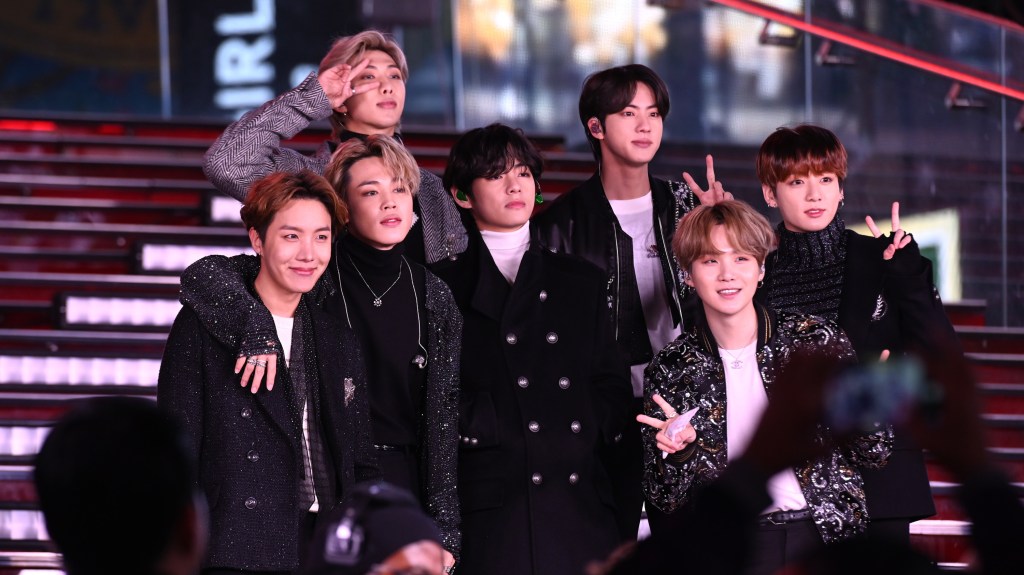



The return of BTS represents one of the most anticipated events in the global entertainment industry. BTS is a seven-member male K-pop group that debuted in June 2013 from a then-small entertainment company, Big Hit Entertainment. From their debut, BTS has become one of the most influential music groups in the world. They have also played a significant role in expanding the global reach of K-pop, becoming the first Korean group to achieve multiple No. 1 hits on the Billboard Hot 100 and to sell out major stadium venues in the United States. After a hiatus beginning in 2022, when all of the members completed South Korea’s mandatory military service, the group is preparing for a full comeback that includes a new album, a documentary release, and a large-scale world tour. The documentary, set to release on Netflix, will provide behind-the-scenes insight into the group’s reunion and creative process. According to Netflix’s Tudum platform, the documentary follows the members as they reunite and prepare for the next phase of their careers, giving audiences “a closer look at the creative process and the emotions surrounding their return as a group” (Netflix Tudum, 2026). News coverage surrounding the comeback highlights the scale of global anticipation. Reports describing the promotional trailers note that the group invited fans worldwide to “witness the homecoming,” framing the comeback as both a reunion and celebration for the global fan community (The Times of India, 2026). From a marketing perspective, this narrative reinforces BTS’s customer value proposition (CVP) by emphasizing emotional connection and community engagement.
Strategic Marketing Planning Behind the Comeback
The BTS comeback demonstrates how companies implement marketing planning and long-term marketing strategies to maintain long-standing relationships with consumers. One of the central concepts in marketing management is the customer value proposition (CVP), which communicates the benefits consumers receive from a brand. For BTS, the value proposition extends beyond music to include storytelling, authenticity, and a sense of global community among fans. Over time, BTS has cultivated high levels of customer satisfaction, which contribute to strong customer loyalty and long-term customer retention. Even during the group’s hiatus, fans remained engaged with the group through solo music releases, digital content, and communication on various social media platforms. This sustained engagement illustrates how strong brands maintain consumer relationships even when the core product is temporarily unavailable.
Before launching a major comeback, companies often conduct extensive situation analysis and SWOT analysis to evaluate market opportunities and competitive conditions. Media reports on BTS’s comeback announcement emphasized the emotional narrative surrounding the group’s reunion, noting that promotional materials frame the comeback as a global “homecoming” for both the artists and their fans (The Times of India, 2026). Using such wording strengthens the group’s brand identity while supporting broader market-penetration strategies designed to re-engage existing fans.
Reaching a Global Audience Through Segmentation and Positioning
A defining characteristic of BTS’s marketing success is its ability to reach a global audience through effective market segmentation and target marketing. Compared to many artists who primarily focus on domestic audiences, BTS has built a strong fanbase that spans continents. From a marketing perspective, BTS appeals to consumers through several segmentation approaches. The group’s audience reflects strong geographic segmentation, with fans across Asia, North America, Europe, and Latin America. At the same time, the fanbase reflects demographic segmentation, particularly among younger consumers who actively engage with digital platforms and social media. Beyond geographic and demographic differences, BTS’s marketing also appeals to psychographic segmentation, targeting consumers who connect with themes such as self-expression, resilience, and personal identity. Most of the time, fans feel emotionally connected to the group’s storytelling and messaging, which strengthens their engagement with the brand. Additionally, fan behavior, which includes organized streaming campaigns and active participation in online communities, are forms of behavioral segmentation. Through utilizing these strategies, BTS has developed a distinctive positioning strategy within the global music industry. The group is positioned not only as a pop act, but as a cultural brand that represents authenticity, global collaboration, and youth empowerment. This strong positioning allows BTS to effectively differentiate itself within an increasingly competitive entertainment landscape.
Expanding the Product Offering Through Media and Live Experiences
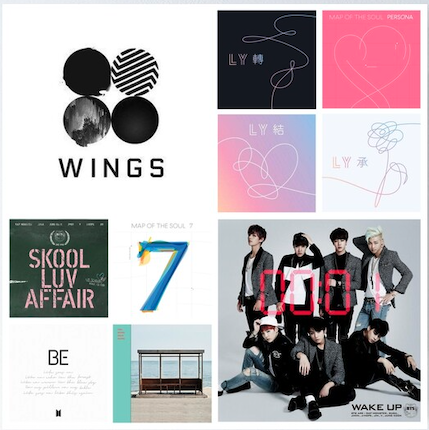
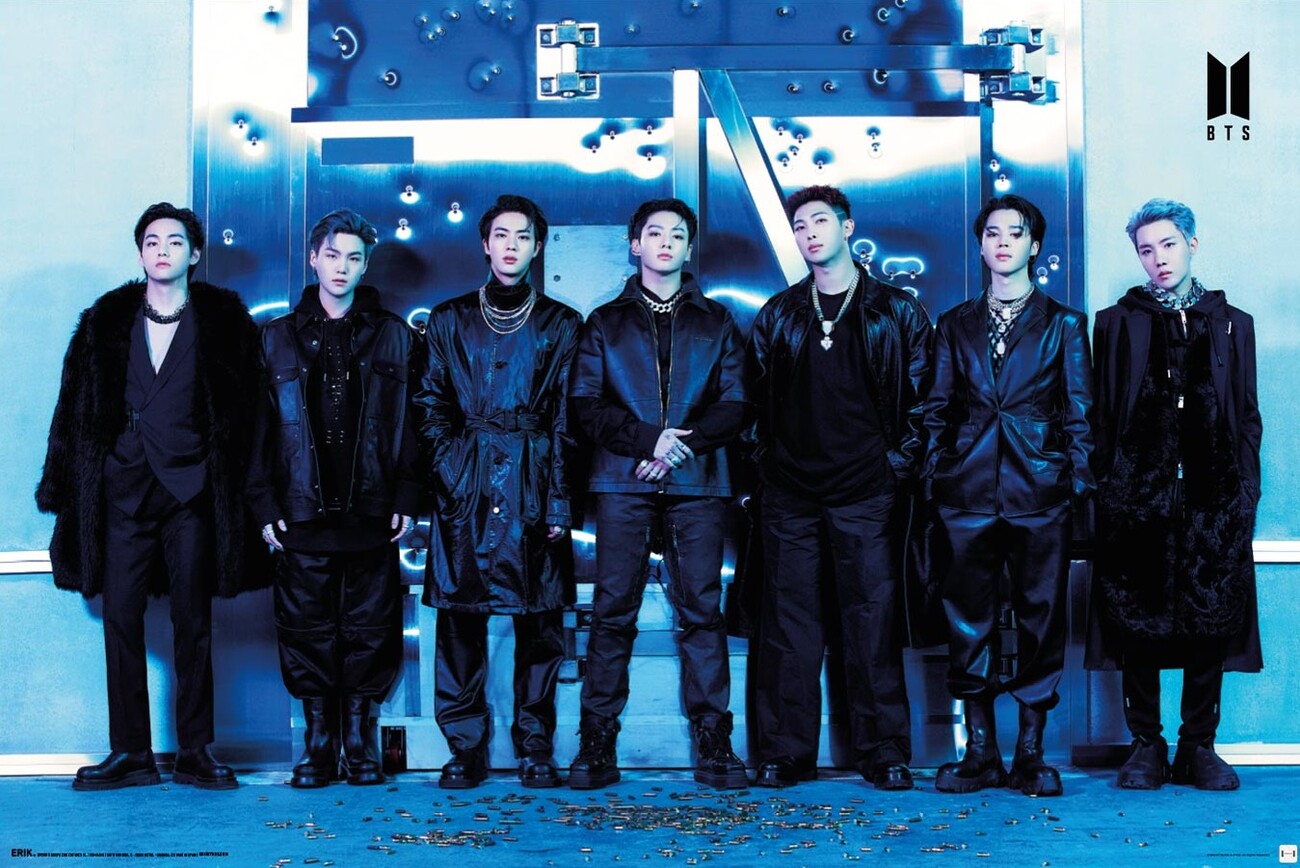
The upcoming documentary and world tour highlight how BTS expands its overall product strategy beyond traditional music releases. In marketing theory, a company’s offering includes all elements that create value for consumers. While music is essentially BTS’s core product, their brand expands into documentaries, concerts, merchandise, and digital content that enhance the overall fan experience. The Netflix documentary, Arirang, which premieres on March 21, can be viewed as part of the enhanced product, offering fans deeper insight into the group’s creative process and personal experiences. This additional content strengthens the emotional connection between the brand and its audience. At the same time, the group’s upcoming world tour plays an important role in the group’s product mix. Live concerts transform the BTS brand from a digital experience into an immersive event where fans can interact with the music and community in person. These performances reinforce the group’s customer value proposition by providing experiences that cannot be replicated through streaming platforms alone.
From a strategic perspective, the combination of documentary content, new music, and a world tour also revitalizes the brand’s product life cycle (PLC) following a period of reduced group activity during military service. By reintroducing the group through multiple forms of content, BTS sustains audience engagement and reinforces demand for the brand. This approach also reflects sustaining innovation, where companies continuously improve and expand existing offerings rather than introducing entirely new products.
Building Brand Equity Through a Global Fan Community
One of the biggest factors behind BTS’s success is the strength of its brand strategy. Over time, the group has built significant brand equity, making it one of the most recognizable entertainment brands worldwide. A key part of this brand strength is the global fan community known as ARMY. Through social media campaigns, streaming efforts, and fan-created content, ARMY plays a major role in BTS’s visibility and influence. This engagement boosts brand awareness and builds stronger brand loyalty among fans.
The group’s messaging also fosters strong brand links based on authenticity, social awareness, and emotional storytelling. These links help boost perceived quality, which in turn enhances the brand’s reputation and builds consumer trust. BTS further grows its brand through various forms of category extension, including documentaries, collaborations, and merchandise lines. These expansions keep the brand visible across multiple industries while maintaining a consistent identity.
Digital Promotion and Global Media Strategy
The marketing campaign surrounding BTS’s comeback heavily relies on the promotion mix, particularly digital and social media marketing. Online platforms allow the group to communicate directly with millions of fans worldwide. Promotional activities include advertising, public relations (PR), livestream announcements, and coordinated promotional campaigns across social media platforms. These campaigns often follow the AIDA model, which moves consumers through stages of awareness, interest, desire, and action. BTS also leverages a combination of paid media, owned media, and earned media to amplify its marketing reach. Paid media includes digital advertisements and platform partnerships, while owned media includes the group’s official websites and social media channels. Earned media emerges when fans share content online or when news outlets cover the group’s comeback.
In conclusion, the BTS comeback teaches several key lessons for modern marketers. First, strong brands depend on strategic marketing planning and a compelling customer value proposition to build long-term consumer relationships. Second, effective segmentation and positioning help companies reach diverse audiences while keeping a consistent brand identity. Third, expanding the product lineup through documentaries, live concerts, and digital content boosts consumer engagement and enriches the brand experience. By combining strategic planning, brand management, and digital promotion, BTS has created one of the most influential entertainment brands in the world.
Questions to Consider
- How does BTS’s comeback strategy reflect a strong customer value proposition (CVP) and long-term marketing planning? What risks come with relying on emotional narratives like a “homecoming”?
- Which segmentation strategy best explains BTS’s global success, and why? (geographic, demographic, psychographic, or behavioral)
- How do the album, documentary, and world tour strengthen BTS’s product mix and extend the product life cycle (PLC)?
- How does the BTS fan community function as earned media within the promotion mix, and how does this strengthen brand equity and brand loyalty?
Sources
Netflix Tudum. (2026). BTS: Documentary and comeback details. https://www.netflix.com/tudum/articles/bts-live-concert-documentary-release-date-news
The Times of India. (2026). BTS comeback trailer invites fans to “witness the homecoming”.
https://timesofindia.indiatimes.com/entertainment/k-pop/music/news/bts-the-comeback-live-arirang-trailer-rm-jin-v-j-hope-jimin-jungkook-and-suga-invite-bts-army-to-witness-the-homecoming-watch/articleshow/129059662.cms
 Marketing Management