
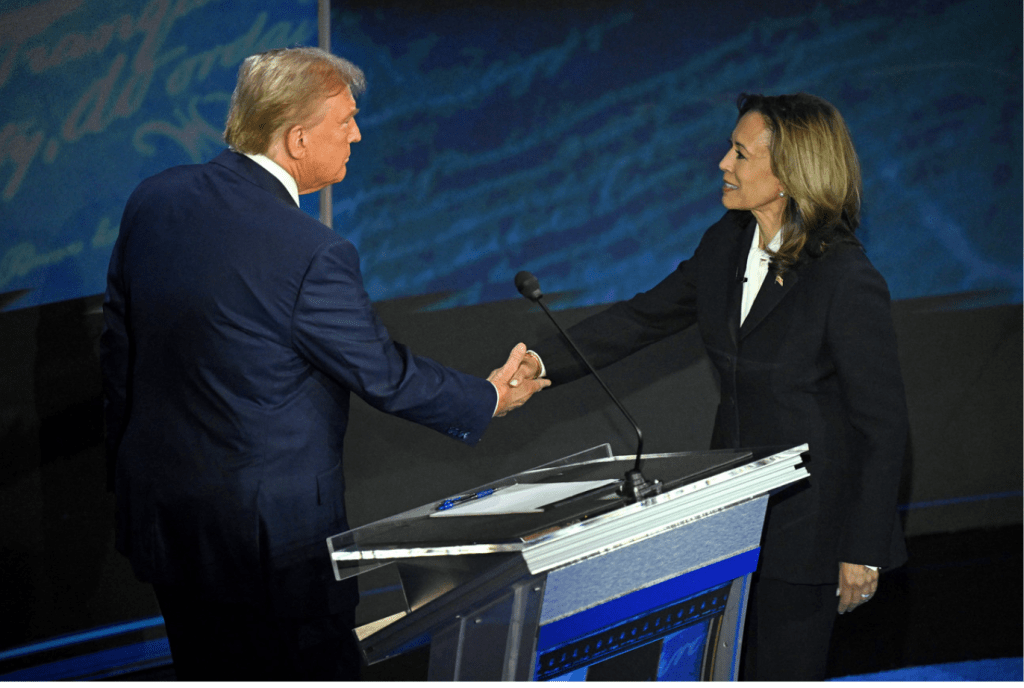
In the rapidly evolving world of politics, marketing plays a critical role in shaping the narratives, messages, and perceptions that guide presidential campaigns. As candidates for the 2024 election vie for voter attention, they are deploying a diverse range of marketing strategies to stand out in a crowded field. From traditional methods to innovative digital tactics, the way candidates present themselves is key to their success.
Defining the Candidate’s Brand

Image 2
Each presidential candidate must first establish a clear and consistent brand. This includes their core values, policies, and personal image. A strong brand helps voters easily associate the candidate with specific issues or ideas. Whether it’s positioning themselves as a reformer, an experienced leader, or a voice for change, candidates craft their messages to resonate with target audiences. This consistency across speeches, debates, and advertisements helps build trust with voters [1].
Consumer Connotation
Consumer connotation plays a significant role in how voters perceive presidential candidates during the election. Just as consumers form opinions about brands, voters form associations based on the messaging, tone, and image that a candidate presents[2]. Candidates are often viewed through the lens of political “brands,” where their policies, personal stories, and communication style evoke particular emotions or align with specific values. In the 2024 election, candidates must be mindful of how their “brand” resonates with different voter segments, as perceptions can shift rapidly based on campaign ads, debates, and social media interactions. Voters may gravitate toward candidates whose messaging feels authentic and reflective of their own beliefs, much like they would prefer brands that align with their personal identity [2].

Image 3
The connotation of a “stolen election” carries significant weight in both political and public discourse. When allegations of a stolen election arise, it suggests that the democratic process has been compromised, typically invoking feelings of distrust, anger, and division among voters. The term often implies that electoral outcomes were manipulated through fraud, suppression, or other unethical means, which can deeply undermine public confidence in the fairness and legitimacy of the political system. Whether these claims are substantiated or not, they can lead to long-term consequences, such as decreased voter turnout, increased polarization, and challenges to the peaceful transfer of power [4]. In marketing terms, this perception of an election as “stolen” can act like a reputational crisis for the democratic process itself, influencing how voters engage with future elections and political institutions.
Utilizing Digital Platforms
The digital age has shifted how campaigns are conducted. Social media platforms such as Twitter, Facebook, Instagram, and TikTok play an essential role in the 2024 election. Candidates use these platforms to directly engage with voters, bypassing traditional media filters. This enables them to respond quickly to current events, share their positions on key issues, and connect with younger demographics [1].

Image 4
Candidates also leverage video content, whether through live streams or short, shareable videos, to convey their messages in a more personal and dynamic way. The immediacy and interactivity of digital media offer a real-time connection that past elections lacked [5].
Targeting Specific Voter Segments
Modern campaigns rely heavily on data to understand voter behavior and preferences. By using sophisticated data analytics, candidates can tailor their messages to different demographic groups. This allows them to focus on the issues that matter most to various constituencies, such as economic policy for working-class voters or climate change for younger generations [5].

Image 5
Targeted advertising on social media and search engines allows campaigns to reach specific audiences with customized messages, improving the effectiveness of their marketing efforts. Micro-targeting ensures that each voter receives a message that feels relevant to their personal concerns and values [6].
Balancing Traditional Media
While digital platforms are central to modern campaigns, traditional media like TV, radio, and print still hold influence, particularly among older voters. Candidates continue to invest in televised debates, interviews, and commercials to reach broader audiences. TV ads, for instance, allow for more controlled messaging, helping candidates showcase their leadership qualities or attack their opponents’ policies in a polished format [5].
Moreover, candidates still engage with news outlets to ensure their messages are covered by mainstream media, even as they navigate challenges like media bias or misinformation.
Grassroots and Community Engagement
Campaigns are also returning to grassroots tactics to energize supporters. Door-to-door canvassing, town halls, and community events enable candidates to interact with voters on a more personal level. These events help humanize the candidates, fostering a sense of connection that can’t be achieved through a screen [8].

Image 6
This kind of face-to-face engagement is particularly valuable in swing states or closely contested regions, where a candidate’s ability to make a direct appeal to voters can make a significant difference.
Fundraising and Messaging
Fundraising is the lifeblood of any campaign, and in the 2024 election, candidates are relying on both large donors and small, grassroots contributions. Marketing themselves as financially accessible to average citizens or supported by a broader movement allows candidates to claim legitimacy and broad-based appeal [7].

Image 7
Many candidates are emphasizing transparency in their fundraising, appealing to voters who are concerned about the influence of money in politics. The way candidates market their financial independence can affect how they are perceived in terms of integrity and alignment with public interests.
Adapting to the 24/7 news cycle
In the 24-hour news cycle, candidates must be ready to respond swiftly to breaking news or controversies. They often use rapid-response teams to handle social media and press inquiries in real-time, ensuring they stay on top of the news agenda [7].

Image 8
The ability to control the narrative quickly, especially during crises or key political moments, can prevent damaging stories from gaining traction. Speed, agility, and message discipline are crucial components of this strategy [9].
COnclusion
The marketing strategies of presidential candidates in the 2024 election are a complex blend of traditional and modern techniques. Whether through digital engagement, targeted advertising, or grassroots mobilization, candidates are using a wide array of tools to connect with voters. In an increasingly fragmented media landscape, the ability to craft a consistent, authentic, and engaging message is key to winning support.
As the election unfolds, it will be interesting to see which strategies prove most effective in capturing the hearts and minds of the electorate.
QUestions marketing managers might consider?
- What are some effective strategies that target younger demographics to vote? Older demographics?
- How does digitalization of marketing changed the way president’s market themselves to their target demographics?
Sources
[1] https://www.collectivemeasures.com/insights/a-marketers-guide-to-the-2024-presidential-election
[2] https://goodway-media.com/blog/how-politics-will-impact-digital-marketing-in-2024
[4] https://www.venable.com/insights/publications/2024/07/a-lucrative-election-year-market
[5] https://basis.com/blog/how-political-advertising-will-impact-the-media-landscape-in-2024
[6] https://www.emarketer.com/content/programmatic-political-ads-impact-ecosystem-ctv-social-media
[8] https://www.ngpvan.com/blog/how-to-run-a-grassroots-political-campaign/
[9] https://econreview.studentorg.berkeley.edu/salience-bias-the-24-hour-news-cycle-is-a-market-failure/
Image Sources:
Image 2:
Image 4: https://www.blinkco.io/glossary/4-types-of-digital-platforms-to-drive-business-value/
Image 5: https://www.cnn.com/2022/09/23/business/us-candidates-facebook-ads-targeting-invs/index.html
Image 6: https://www.thoughtco.com/grassroots-movement-definition-and-examples-5085222
Image 7: https://givewp.com/power-your-political-campaign-with-give/
Image 8: https://econreview.studentorg.berkeley.edu/salience-bias-the-24-hour-news-cycle-is-a-market-failure/
 Marketing Management