
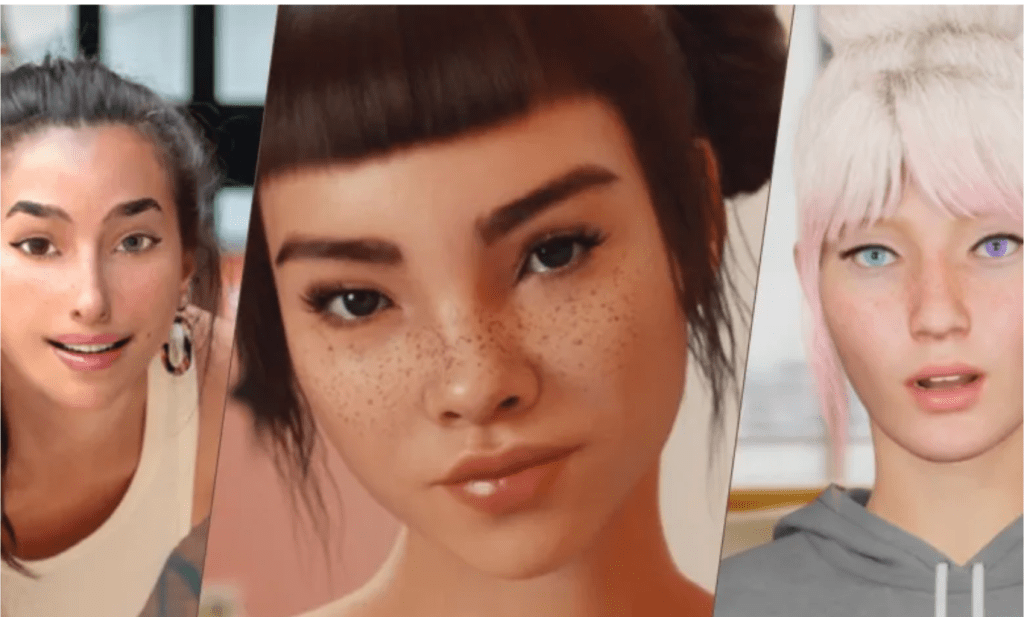
In the ever-evolving world of marketing, brands are constantly seeking innovative ways to connect with their audiences. As artificial intelligence (AI) and animation technologies advance, a new trend has emerged—AI-generated people and animated influencers are increasingly being used to endorse brands [1]. This shift towards virtual personalities is reshaping the landscape of digital marketing, offering unique benefits that traditional celebrity endorsements cannot match [2].
What Are AI-Generated and Animated Influencers?

Image 2
AI-generated influencers are virtual personalities created using artificial intelligence. These characters can be designed to look and behave like real humans, complete with realistic facial expressions, gestures, and even personalities. Some are entirely fictional, while others are digital replicas of real people. Animated influencers, on the other hand, are digitally animated characters that often have a more stylized or cartoonish appearance. Both types of virtual influencers can engage with audiences on social media, participate in campaigns, and even interact with fans in real-time [2].
Anthropomorphic brand ambassadors—characters with human-like traits—have become a powerful tool in marketing. These mascots, such as the GEICO Gecko or Tony the Tiger, take on human qualities like speech, emotions, and personality, allowing brands to create memorable and relatable figures. By giving products a face, voice, and persona, anthropomorphic ambassadors help brands build emotional connections with consumers, making products feel more approachable and engaging. Their ability to convey humor, warmth, and trust helps brands stand out in a crowded market, while their consistent presence reinforces brand identity and fosters loyalty over time [3].
Why Are Brands Turning to Virtual and Anthropomorphic Influencers?

Image 3
- Complete Creative Control
One of the most significant advantages of AI-generated and animated influencers is the level of creative control they offer. Brands can tailor every aspect of these virtual personalities, from their appearance to their behavior, ensuring that they align perfectly with the brand’s image and values. Unlike human influencers, who may have their own opinions and personal brands, virtual influencers can be crafted to deliver a consistent message [4]. - Affordability
Hiring top-tier human influencers or celebrities for endorsements can be prohibitively expensive, especially for smaller brands. AI-generated and animated influencers, on the other hand, can be more cost-effective. Once created, they can be used across multiple campaigns without the need for ongoing fees, negotiations, or scheduling conflicts. This cost efficiency allows brands to allocate resources to other aspects of their marketing strategy [4]. - Global Appeal and Reach
Virtual influencers are not bound by geography, time zones, or cultural differences. They can be easily adapted to resonate with audiences in different regions, making them ideal for global campaigns. Brands can modify their language, style, and even personality traits to better connect with diverse markets, enhancing their global reach [3]. - Unlimited Availability
Unlike human influencers, who require rest and have other commitments, AI-generated and animated influencers are always available. They can engage with audiences, respond to comments, and participate in events around the clock. This 24/7 availability makes them invaluable for real-time marketing efforts and continuous engagement [4]. - Reduced Risk
Working with human influencers always carries a degree of risk. Public scandals, changes in personal beliefs, or shifts in popularity can negatively impact a brand’s image. Virtual influencers, being entirely controlled by the brand, are immune to these issues. This reduces the risk of unforeseen controversies and ensures that the influencer remains a positive representation of the brand [3]. - Innovation and Novelty
Using AI-generated and animated influencers is still relatively new, which gives brands an edge in terms of innovation. Consumers are naturally drawn to novel experiences, and virtual influencers can provide a fresh, exciting way to engage with audiences. This novelty factor can help brands stand out in a crowded digital landscape [3].
Examples of Brands Using Virtual Influencers

Image 4
Several brands have already embraced AI-generated and animated influencers with great success. For example, Lil Miquela, an AI-generated character, has collaborated with major brands like Calvin Klein and Prada, boasting millions of followers on Instagram [5]. Similarly, Lu do Magalu, a Brazilian virtual influencer, has become one of the most successful animated influencers, promoting everything from electronics to fashion [6].
These virtual personalities have proven their ability to drive engagement, create buzz, and generate real ROI for brands. As AI and animation technologies continue to improve, we can expect to see even more sophisticated virtual influencers taking the stage [3].
CONCLUSION

Image 5
AI-generated and animated influencers represent the future of brand endorsements. They offer unparalleled creative control, cost-effectiveness, and global reach, all while mitigating the risks associated with human influencers. As consumers become more accustomed to interacting with virtual personalities, brands that embrace this trend early will be well-positioned to capture the attention of their target audiences and lead the way in the digital marketing revolution.
In this rapidly evolving landscape, the possibilities are endless, and the brands that innovate with AI-generated and animated influencers will undoubtedly stand out in the competitive market.
Sources:
[2] https://blog.acer.com/en/discussion/1692/ai-influencers-virtual-personalities-taking-over-instagram
[3]
[4] https://rhythmagency.com/blog/may-2024/the-rise-of-ai-generated-influencers
[5] https://topaiinfluencers.io/
[6]
https://www.virtualhumans.org/human/miquela-sousa
[7]
https://www.ogilvy.com/work/lu-magalu
Image 1: https://www.texspacetoday.com/ai-powered-virtual-influencers/
Image 2: https://www.mentalhealth.com/news/ai-generated-influencers-and-mental-health
Image 4: https://lbbonline.com/news/how-lu-from-magalu-became-the-biggest-virtual-influencer-in-the-world
Image 5: https://www.kidzworld.com/article/5732-tony-the-tiger-biography/

