
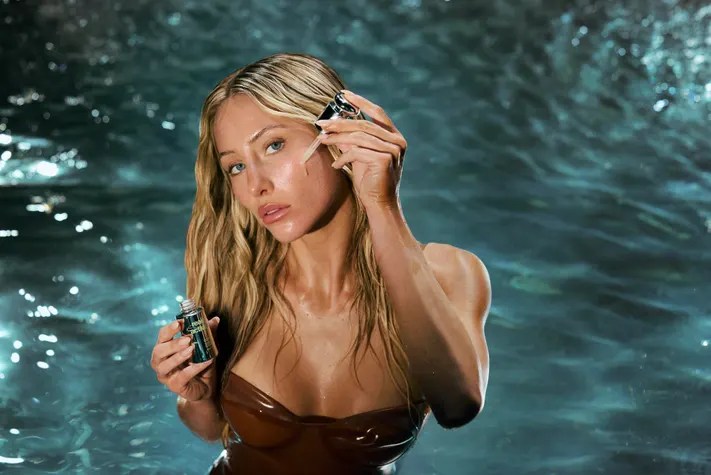
When most people think about influencer marketing, they probably imagine celebrities with millions of followers promoting products. But what might be surprising is that smaller influencers with much fewer followers can sometimes deliver better results. The difference between a celebrity promoting something and a smaller creator giving an honest review can actually say a lot about how marketing is changing today. Influencer marketing is now one of the largest and fastest-growing promotional channels in the world. The global influencer industry reached $32.55 billion in 2026, up from $21.1 billion Y.O.Y.[1]. As companies are investing more money into influencers, an important question comes up. Is it better to pay one big influencer or work with many smaller ones?
Understanding the different influencer tiers
Influencers are usually grouped by follower count:
- Nano influencers (1,000 to 10,000 followers) [2]
These are everyday users with very loyal and engaged communities. - Micro influencers (10,000 to 100,000 followers) [2]
These creators usually focus on a specific niche and are often trusted by their audience. - Mid tier influencers (100,000 to 500,000 followers) [2]
These influencers have broader audiences and more reach. - Macro influencers (500,000+ followers) [2]
These are celebrities or major online personalities with very large audiences.

Macro influencers and the advantage of reach
Macro influencers are usually the most recognizable names on social media. These can include professional athletes, reality TV personalities, or major YouTubers with millions of followers. Their biggest advantage is visibility. One sponsored post can generate hundreds of thousands of views very quickly, which makes them useful for brands that want fast exposure.
Some well known examples include:
- Nike partnering with athletes like LeBron James and Serena Williams [3]
- Dunkin collaborating with Charli D’Amelio to promote a signature drink and increase app downloads [4]
- Redken partnering with Sabrina Carpenter to expand brand awareness [5]
The biggest advantage of macro influencers is exposure. They help brands:
- Build fast awareness
- Reach large audiences quickly
- Create cultural relevance
However, there are downsides. A single post from a macro influencer can cost thousands of dollars, sometimes between $5,000 and $10,000 or more [6]. Even with that cost, engagement rates are often relatively low. Macro influencers average about a 1.36% engagement rate on Instagram, meaning most followers do not actually interact with the content [6]. At the same time, many consumers say they are becoming tired of sponsored posts and often scroll past them like traditional advertisements.

Micro influencers and the advantage of trust
Micro influencers usually have smaller audiences, but they often have much stronger relationships with their followers. Because they focus on specific topics such as fitness, sustainable products, cooking, or travel, their recommendations often feel more genuine. Followers tend to view their content more like advice from someone they trust rather than a paid promotion.
In 2026, nano and micro-influencers dominate the influencer landscape: nano-influencers now make up 75.9% of Instagram’s influencer base and 87.68% of TikTok’s [7]. That’s not an accident, brands have increasingly moved budget toward smaller creators because the performance data supports it [1]. Brands are starting to notice this. Micro influencers now make up most of the influencer population on Instagram and TikTok, and many companies are shifting their budgets toward them.
Some strong examples include:
- Blueland using over 200 micro influencers and seeing major sales growth [8]
- Iceland Foods using micro influencer parents instead of celebrities and improving brand perception [9]
- Strava partnering with smaller running community creators instead of celebrities [10]
The numbers also support this strategy. Micro influencers average around a 3.86% engagement rate compared to 1.36% for macro influencers [11]. They are also much more affordable. The average micro influencer post may cost around $185 compared to over $1,200 for a macro influencer [12]. This means a brand could either pay for one large influencer or work with dozens of smaller creators for the same budget.

Which One Drives More Sales?
Research suggests that many brands now prefer micro and mid tier influencers because they often produce better returns. Micro influencer campaigns frequently generate between five and eight times return on investment, while macro campaigns often generate closer to three to five times [13]. Micro influencer campaigns also tend to result in higher repeat purchases from customers [11].
That being said, the best strategy often depends on the goal. Macro influencers are still very effective for building quick awareness and creating cultural relevance, especially for large product launches. Micro influencers tend to perform better when it comes to building trust, explaining products, and driving actual purchases.
Final Thoughts
The data heading into 2026 tells a clear story: for most brands, especially those with specific audiences, limited budgets, or direct-to-consumer sales models, micro-influencers deliver measurably better engagement, higher conversion rates, and more cost-efficient ROI than macro campaigns. But the best marketers aren’t choosing one over the other. They’re using macro influencers to build the engagement and micro-influencers to fill it.
Bigger is no longer automatically better. In a media environment where consumers have learned to tune out traditional advertising, and where authentic, real content consistently outperforms polished promotion, a trusted voice with 40,000 dedicated followers can outperform a celebrity post every single time. The brands winning in 2026 are the ones that understand that.
By Isabella Otero
Questions to Consider:
- How should a brand decide what mix of macro vs. micro-influencers fits its campaign objective and budget?
- What metrics, beyond follower count and engagement rate, should marketers use to evaluate an influencer before committing to a partnership?
- As consumer ad fatigue grows and Gen Z’s attention span shortens, how should brands adapt their influencer content strategy to break through?
Sources:
[1]https://digitalmarketinginstitute.com/blog/20-influencer-marketing-statistics-that-will-surprise-you
[2]https://www.yotpo.com/glossary/what-is-a-nano-influencer/
[4]https://www.statsocial.com/blog/charli-damelio-dunkin-influencer-attribution/
[6]https://impact.com/influencer/how-much-do-influencers-charge-per-post/
[7]https://www.wearebottle.com/blog/influencer-marketing-trends-whats-really-driving-the-shift
[8]https://stackinfluence.com/customer-stories/blueland
[11]https://sociallypowerful.com/influencer/marketing/statistics
[12]https://www.zebracat.ai/post/influencer-marketing-statistics
[13]https://brands.joinstatus.com/what-are-micro-influencers
[14]https://x.com/serenawilliams/status/1036769320196616198
 Marketing Management