
Do you remember any Super Bowl advertisements? Maybe the Coinbase ad that had the whole family singing “Everybody” by the Backstreet Boys, or maybe the unsettling moment Claude warned us that ads were coming to […]
Do you remember any Super Bowl advertisements? Maybe the Coinbase ad that had the whole family singing “Everybody” by the Backstreet Boys, or maybe the unsettling moment Claude warned us that ads were coming to […]

Marketing campaigns often tap into human emotions to influence decision-making. Two of the most powerful emotions marketers leverage are fear and hope. Fear-based marketing warns consumers about risks and negative consequences, while hope-based marketing inspires them with possibilities and positive outcomes. Both strategies can be effective, but the key is knowing when, where, and how to use them [1].
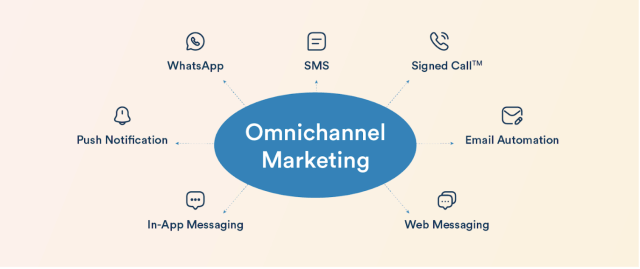
In today’s fast-paced, digital-first world, consumers are no longer tied to a single shopping channel. They might browse on their smartphone, research on their laptop, and make a final purchase in a physical store — or vice versa. This fluid journey between online and offline touchpoints creates both opportunities and challenges for brands.
The solution? Omnichannel marketing

In an increasingly globalized world, branding strategies must adapt to regional tastes, cultural nuances, and consumer behavior. For businesses expanding across continents, understanding the differences in branding approaches between the United States and Europe—particularly Western and Central Europe—is key to establishing a strong and resonant presence [1]. In this post, we’ll explore some of the critical distinctions in branding strategies and consumer expectations across these regions[2].

In the rapidly evolving world of politics, marketing plays a critical role in shaping the narratives, messages, and perceptions that guide presidential campaigns. As candidates for the 2024 election vie for voter attention, they are deploying a diverse range of marketing strategies to stand out in a crowded field. From traditional methods to innovative digital tactics, the way candidates present themselves is key to their success.

The Olympics is one of the most prestigious and widely viewed sporting events in the world, captivating billions of viewers across the globe. For marketers, the Games present a unique opportunity to connect with a vast, diverse audience. However, with this opportunity comes the challenge of developing a marketing strategy that not only resonates with this global audience but also aligns with the values and spirit of the Olympics. The 2024 Paris Olympics, with its emphasis on sustainability, innovation, and cultural celebration, offers a particularly compelling stage for brands to showcase their creativity and commitment to global values [1].

With the COVID-19 pandemic preventing opportunities for travel, the travel and tourism industry has seen the rapid emergence and growth of several travel trends as people can now follow-through on their vacation dreams and book trips. These trends include traveling to see a concert, making more sustainable vacation choices, and looking for unique, once in a lifetime trips as opposed to more common and mainstream tourist destinations. This last trend has led to an increase in “surprise travel”.
In today’s business environment, there has been an increase in the number of businesses who have become Certified B-Corporations, or B-Corps. In order for a B-Corp to be successful in fulfilling its specific social and environmental missions, they must also be successful in turning a profit. And in order to attract investors, customers, and other important partners, a B-Corp must have a strong marketing team to convey what differentiates their business from other for-profit competitors.

It is no surprise that Taylor Swift is easily the biggest name in anyone’s ears in today’s time – whether with adoration or discontent. Her Eras Tours has been transformative for communities throughout the United States. Post-pandemic surge, citizens are craving social experience and to be out and about. With this groundbreaking tour that highlights over a decade of her musical transformation, Swifties and communities alike are going feral for the coveted Taylor Swift tickets. The process of even attaining a ticket is elaborate and difficult, and with a sprinkle of luck you may score one of these golden tickets (1). She has a successful merchandise store that sells coveted items along with her musical album drops. She is currently re-recording each of her albums. This allows her to stay extremely relevant in mainstream media and unveils the “Taylor’s Version” that also releases vault tracks of songs she did not release in the first drop years before. This creates a craze and excitement around Swift’s music and overall strength as a female artist to stand up for herself, which creates an inspiration to many generations.

In today’s competitive media market, entertainment companies seek to utilize existing intellectual properties that already have a proven and dedicated audience, and then expand those stories and characters, for example, through sequels, remakes, or TV show spinoffs. Another example of this strategy that has been gaining popularity, is taking popular Broadway musicals and turning them into movie musicals. Despite many of these Broadway musicals having passionate fanbases, these movie musical adaptations of the past decade have been met with mixed reviews and varying levels of success.
 Marketing Management