Category: Chapter 12: Manage Marketing Channels, Logistics, and Supply Chain

Read More

Made in America? Marketing Domestic Production in a Tariff-Driven Economy

International trade policy issues, tariffs, and changes in consumer behavior have presented challenges to trade for U.S. businesses in the last few years. Many firms are analyzing supply chain alternatives and attempting to bring production closer to home in order to mitigate tariff obstacles, promote brand loyalty, and consider the increasing desire for American goods. However, branding “Made in America” has its pros and cons and requires effective strategy and communication. [1].

Read More

Marketing Lessons from the Streaming Wars: Strategies for Retention, Loyalty, and Content Excellence

n the ever-evolving world of streaming, competition among platforms like Disney+, Netflix, Amazon Prime, and HBO Max is fierce. With subscription fatigue setting in, fluctuating content libraries, and price increases becoming a norm, streaming giants are grappling with the same challenge that many businesses face: retaining their existing customers while continuing to grow. The strategies they employ offer valuable lessons for marketers across industries. Here are key takeaways from the streaming wars and how they can be applied to your marketing strategy [1].

Read More

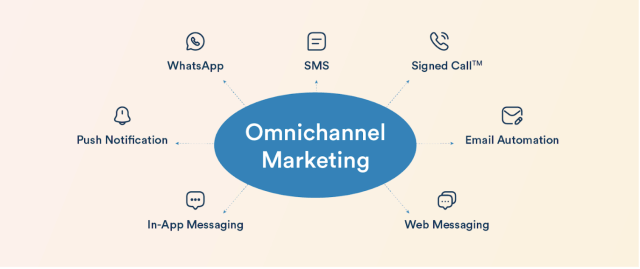
Omnichannel Marketing: How to Seamlessly Integrate Online and Offline Experiences

In today’s fast-paced, digital-first world, consumers are no longer tied to a single shopping channel. They might browse on their smartphone, research on their laptop, and make a final purchase in a physical store — or vice versa. This fluid journey between online and offline touchpoints creates both opportunities and challenges for brands.

The solution? Omnichannel marketing

Read More

How Presidential Candidates Market Themselves in the 2024 Election

In the rapidly evolving world of politics, marketing plays a critical role in shaping the narratives, messages, and perceptions that guide presidential campaigns. As candidates for the 2024 election vie for voter attention, they are deploying a diverse range of marketing strategies to stand out in a crowded field. From traditional methods to innovative digital tactics, the way candidates present themselves is key to their success.

Read More

The Rise of AI-Generated and Animated Influencers: A New Era of Brand Endorsements

In the ever-evolving world of marketing, brands are constantly seeking innovative ways to connect with their audiences. As artificial intelligence (AI) and animation technologies advance, a new trend has emerged—AI-generated people and animated influencers are increasingly being used to endorse brands [1]. This shift towards virtual personalities is reshaping the landscape of digital marketing, offering unique benefits that traditional celebrity endorsements cannot match [2].

Read More

The Potential Ban of TikTok: What It Means for Brands’ Marketing Plans

In recent years, TikTok has revolutionized the social media landscape, capturing the attention of billions worldwide with its short-form video format and vibrant community. For brands, TikTok has become an integral part of marketing strategies, offering unprecedented opportunities for engagement, creativity, and audience reach. However, with the looming threat of a potential ban on TikTok in certain regions, brands may be left wondering about the implications for their marketing plans [4]. TikTok has also been urging members of their community to put a stop to this ban [3].

Read More

To Rent or Not to Rent: A Deep Dive into Airbnb

Airbnb’s current market situation could mark a turning point in the future of the company, placing its marketers in a critical influential position. At the beginning of September 2023, New York City’s Local Law 18 came into effect, enforcing stricter regulations on short-term rental properties in order to improve short-term housing in the city. For rental companies like Airbnb, however, this poses a serious inventory challenge amidst an industry already in flux with falling home prices and rising mortgage rates.

Read More

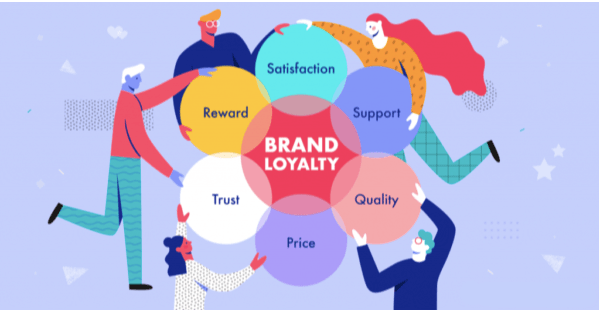
Building Brand Loyalty: Not to Be Overlooked

In modern marketing strategy, a large focus is placed on acquiring new customers. In fact, a recent research survey showed that 72% of small businesses planned to use the majority of their marketing budget to try to attract new customers as opposed to marketing new benefits and products to their existing customers1. However, expanding a company’s customer base does not always equate to business growth. Recent studies have shown that building loyalty with existing customers is equally important, as existing customers tend to be more profitable.