Category: Chapter 2 – Elements of Marketing Strategy; Planning; and Competition

Read More

Marketing the Unknown: The Surprise Trip Trend

With the COVID-19 pandemic preventing opportunities for travel, the travel and tourism industry has seen the rapid emergence and growth of several travel trends as people can now follow-through on their vacation dreams and book trips. These trends include traveling to see a concert, making more sustainable vacation choices, and looking for unique, once in a lifetime trips as opposed to more common and mainstream tourist destinations. This last trend has led to an increase in “surprise travel”.

Read More

The Potential Ban of TikTok: What It Means for Brands’ Marketing Plans

In recent years, TikTok has revolutionized the social media landscape, capturing the attention of billions worldwide with its short-form video format and vibrant community. For brands, TikTok has become an integral part of marketing strategies, offering unprecedented opportunities for engagement, creativity, and audience reach. However, with the looming threat of a potential ban on TikTok in certain regions, brands may be left wondering about the implications for their marketing plans [4]. TikTok has also been urging members of their community to put a stop to this ban [3].

Read More

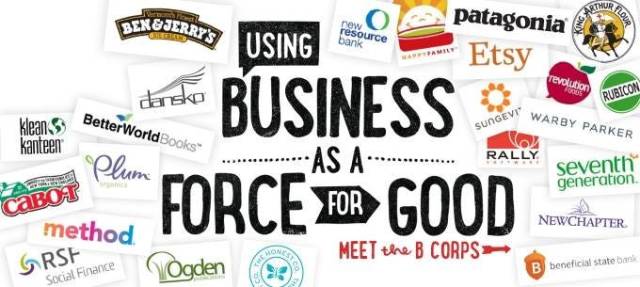
Marketing With a Message: Certified B-Corporations

In today’s business environment, there has been an increase in the number of businesses who have become Certified B-Corporations, or B-Corps. In order for a B-Corp to be successful in fulfilling its specific social and environmental missions, they must also be successful in turning a profit. And in order to attract investors, customers, and other important partners, a B-Corp must have a strong marketing team to convey what differentiates their business from other for-profit competitors.

Read More

Influencer Marketing Completely Changes Brands

In the ever-evolving landscape of marketing, the rise of digital platforms has completely revolutionized the way brands engage with their audience. The days of traditional advertising dominating the market are gone; now, it’s all about digital marketing strategies that seamlessly integrate into consumers’ online experiences. From social media influencers to viral TikTok trends, the digital sphere has become a platform for brands to connect, engage, and thrive [4].

Read More

Should Target Audiences Be Niche or Broad: Movie Musicals 

In today’s competitive media market, entertainment companies seek to utilize existing intellectual properties that already have a proven and dedicated audience, and then expand those stories and characters, for example, through sequels, remakes, or TV show spinoffs. Another example of this strategy that has been gaining popularity, is taking popular Broadway musicals and turning them into movie musicals. Despite many of these Broadway musicals having passionate fanbases, these movie musical adaptations of the past decade have been met with mixed reviews and varying levels of success.

Read More

Marketing Through Experiences: Music Festivals as a Marketing Tool

Current disengagement and uncertainty with indirect, mass media marketing is leading towards many companies incorporating event marketing and experience-based marketing as part of their strategy. This is especially pertinent to companies who want to capture the millennial and Gen Z audiences, as these demographics have proven to respond better to experiential marketing over traditional marketing techniques. One big example of this can be seen with music festivals and concerts, as recent studies have shown that billions of dollars are spent annually by brands on advertising their products at music festivals.

Read More

The Evolution of Summer Blockbusters’ Marketing Strategy

Summer has always been an important season for the entertainment industry, specifically in regard to movies. The summer box office season, which begins in May and lasts through early September, sees the highest number of blockbuster movies be released into movie theaters, as all major studios strategically send the movies that they think will draw the highest number of people to theaters and, therefore, gross the most money. These summer blockbusters tend to rely on some form of recognizable namesake to draw viewers; for example, the name of an A-list actor starring in the cast, the name of the movie being associated with a successful or nostalgic franchise, or the name of the studio being enough to draw fans of that brand to see their newest work.